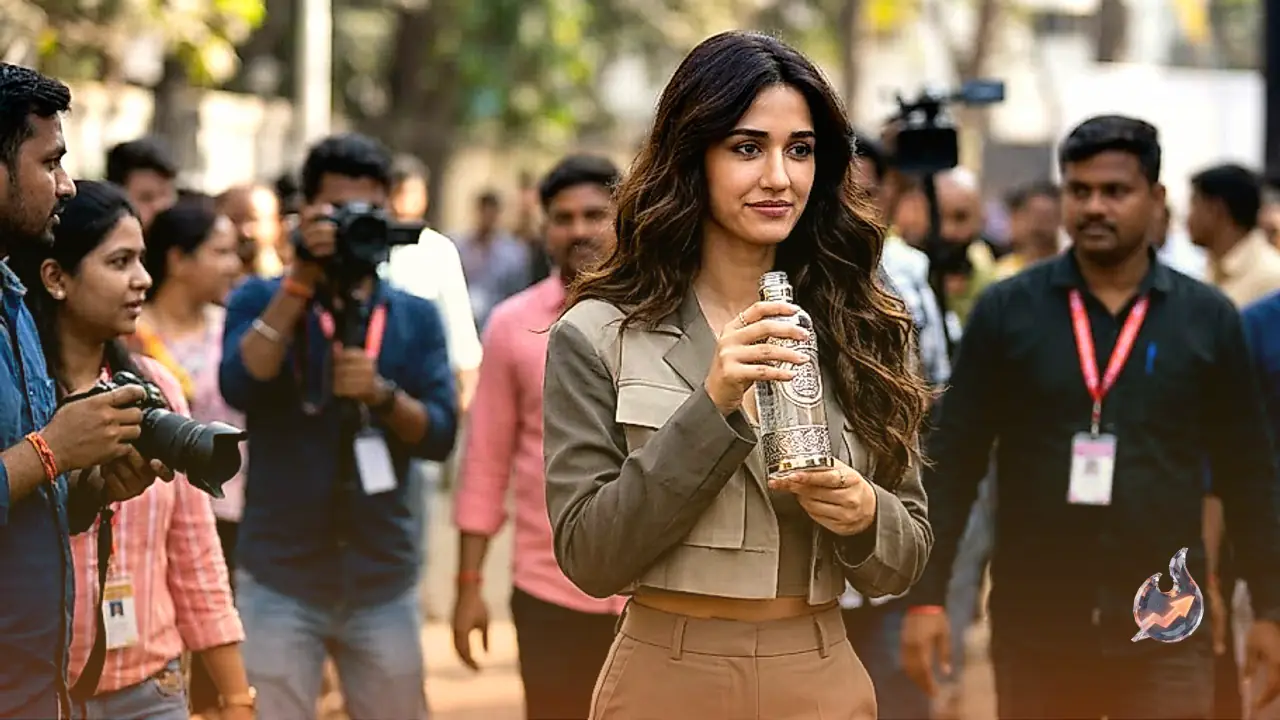






















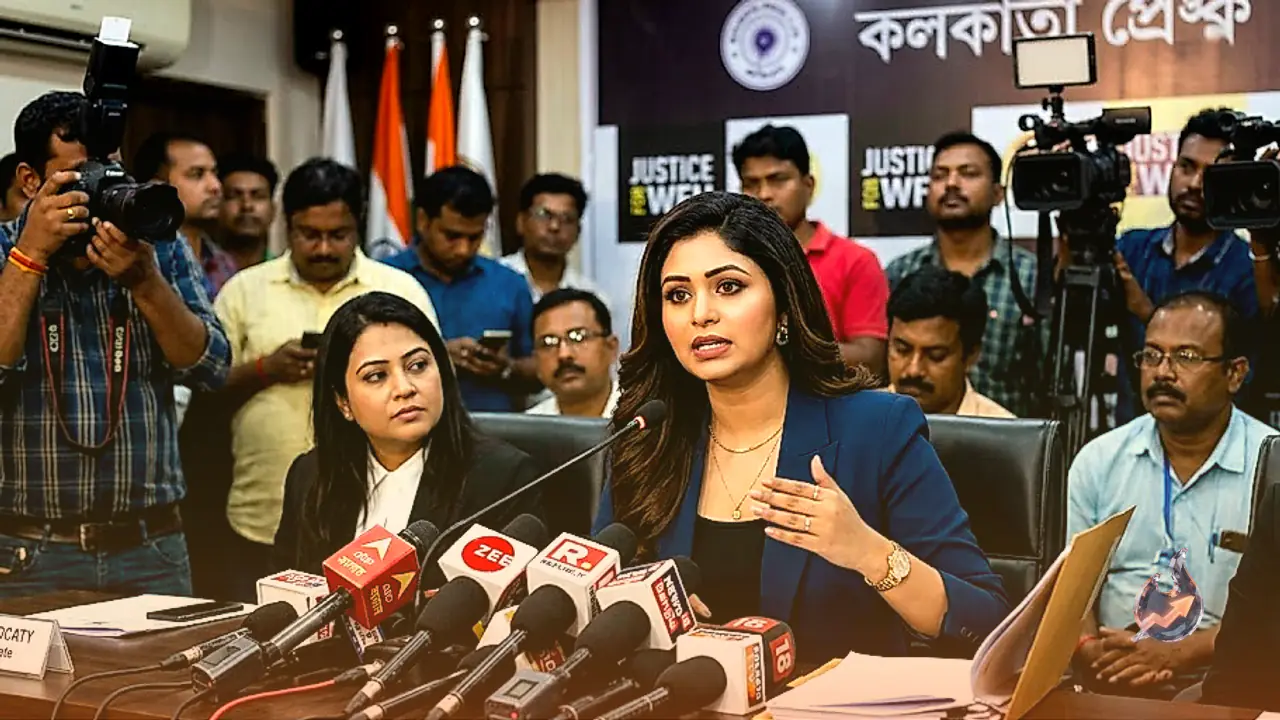

Bengali film actress Ritabhari Chakraborty has taken a strong stand against sexual violence and harassment within the regional cinema industry. Following the footsteps of the Kerala government, which formed the Hema Committee to investigate sexual misconduct in the South Indian film industry, calls were made to establish a similar mechanism in the Bengali film sector. This significant push follows the wider MeToo movement in Bengali cinema, which empowered numerous heroines to share their personal ordeals and raise their voices against systemic injustice in the workplace.
Challenging Powerful Producers Without Fear
Back in September 2024, the actress raised her voice against workplace injustice without explicitly naming two influential producers from the entertainment world. In her social media post at the time, she also tagged then Chief Minister Mamata Banerjee and formally filed a petition urging authorities to form an inquiry committee to investigate the allegations. During a special interview with NDTV, she shed light on the current status of her petition and the underlying reasons that compelled her to speak out against harassment.
Consequences for Wrongdoers
Expressing her firm resolve, Ritabhari Chakraborty stated that she is at a stage in her life where if anyone attempts to trouble or sexually harass her, their actions will be exposed publicly. Emphasizing her prominent standing, she noted that she is the most followed actress across the entire eastern region. Reflecting on her early days in the industry, she admitted that things were different when she started out as a young girl trying to carve her own path. She confessed to being deeply terrified at the time, fearing that speaking out would lead to her being ousted from the industry.
Preserved Text Messages and Legal Approach
The actress acknowledged that people might have previously dismissed her complaints by claiming she was targeting powerful individuals out of anger or revenge for not being cast in a film. However, she revealed that she still possesses concrete evidence of the harassment, having carefully preserved objectionable text messages even after all these years. Despite having this proof, she expressed discomfort in turning social media into a makeshift courtroom, preferring instead to pursue the matter formally through the established administrative and legal system.
Pending Discussions With the Government
Providing an update on the progress of her petition, Ritabhari shared that she has placed a similar petition before the current government as well. She noted that a face-to-face dialogue with the government is still required to determine how the matter will proceed further, and promised to keep everyone updated on future developments. Her courageous stance continues to inspire discussions surrounding safety, accountability, and the urgent need for a safer workplace environment for women in the creative sector.