






















Hearing about old ships being deliberately sunk in the ocean might naturally spark questions about why anyone would intentionally submerge such massive structures into the water. A series of similar initiatives are currently underway across various coastal regions in the United States, where an old fishing vessel was submerged off the coast of Delaware. In addition, a heavy propane gas tank weighing 31 tons along with a steel tower previously used for fire brigade training were lowered underwater off the coast of Mississippi. At first glance, this might appear like dumping debris into the ocean, but the underlying objective is to build new habitats for marine life. These structures are being developed as artificial reefs where fish can find shelter, secure food, and successfully reproduce.
Why a 180-Foot Ship Was Sunk in the Ocean
Off the coast of Delaware in the United States, an old vessel named F/V Calcasieu Pass was intentionally submerged in the ocean on August 12, 2026. This vessel, measuring approximately 180 feet in length, was placed at Delaware Reef Site 13, located about 26 miles away from the Indian River Inlet. The ship was previously utilized to transport supplies to offshore oil rigs in the ocean before being converted into a fishing vessel. It was primarily used to catch small fish known as menhaden, which are processed into fish oil, fish meal, and various other products. Once the ship grew old and no longer suitable for active service, a decision was made to channel it toward marine life conservation rather than turning it into scrap metal.
According to reports, the Ocean Harvesters company handed over the vessel to marine contractor Coleen Marine in 2024 for a nominal payment of just 1 dollar, after which preparations to deploy the ship into the ocean commenced. However, the vessel was not simply dumped directly into the sea without precautions. First, engine oil, hazardous substances, and loose debris were thoroughly removed from the structure to minimize any potential threat of environmental damage to the ocean. Following these essential measures, the ship was securely and safely submerged at the designated location.
How an Underwater Home for Fish is Built
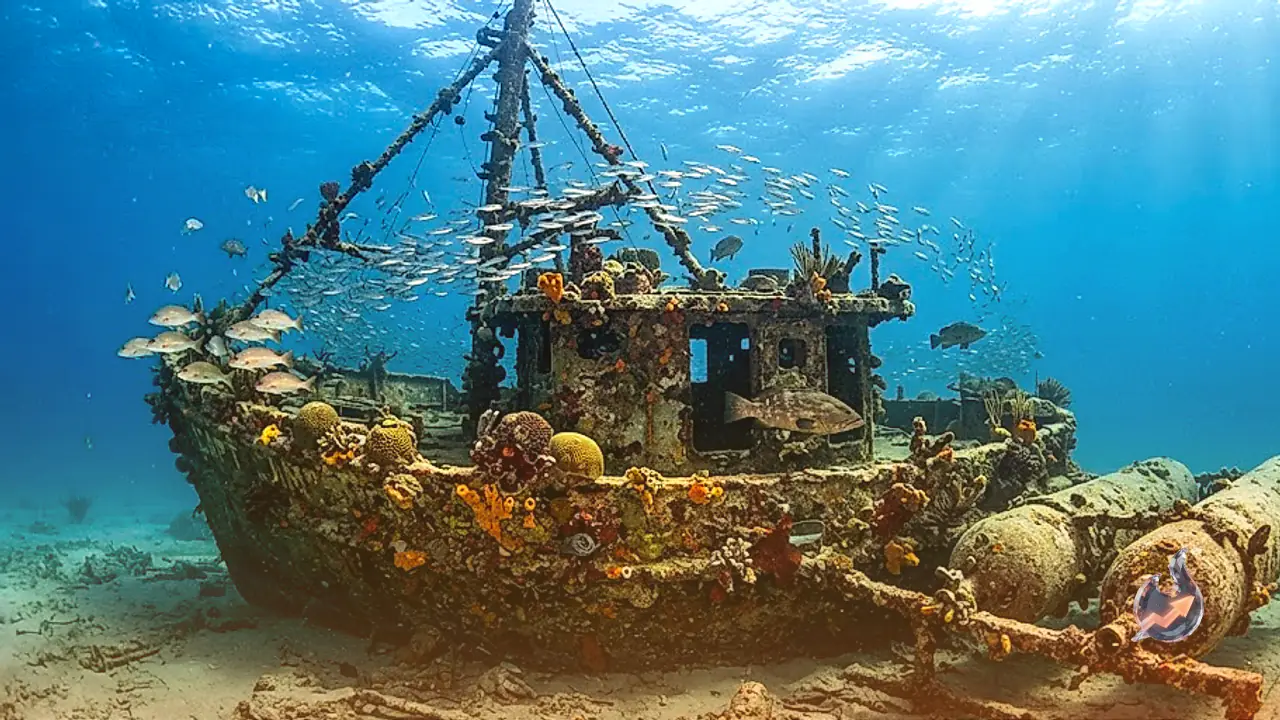
The ocean does not feature rocks, caves, or adequate shelter everywhere, and in many areas, the seabed is notably flat and muddy. In such locations, fish have very limited space to hide, search for food, and reproduce, which is precisely where artificial reefs become valuable. For this purpose, sturdy items such as old ships, steel structures, and concrete blocks are placed directly on the ocean floor. Over time, organisms like algae, barnacles, and mussels gradually begin to grow on their surfaces. These small creatures can serve as a foundational food source for other marine life, allowing smaller fish to gather around these structures. As smaller prey fish become abundant, larger predatory fish are also drawn to the location, enabling a new marine ecosystem to develop over time. Nevertheless, this does not imply that fish populations will instantly surge the moment an old ship is dropped into the water, as the process requires considerable time and continuous scientific monitoring.
Submerging a 31-Ton Gas Tank Underwater
Much like the sinking of the old ship in Delaware, a unique initiative was also undertaken off the coast of Mississippi. Here, a 31-ton propane gas tank along with a steel tower were deployed into the sea. Both of these structures previously belonged to the Forts Lake Volunteer Fire Department and were utilized in firefighting practice exercises. When their active utility came to an end, instead of leaving them abandoned as waste, a decision was made to utilize them to establish a new habitat for marine creatures. Both structures were lowered into the Gulf of Mexico approximately 20 kilometers south of Petit Bois Island off the Mississippi coast, with the aim of creating additional habitats for fish in a marine zone where natural rocky environments remain limited.
This experiment is not the first of its kind in Mississippi. Back in 2023, Chevron assisted in constructing an artificial reef utilizing surplus steel from its refinery. According to estimates by the Mississippi Department of Marine Resources, more than 530 red snapper fish were present on that older reef. Furthermore, other fish species such as triggerfish, spadefish, sheepshead, and grouper were also discovered residing in the area, highlighting the ongoing efforts to expand marine habitats.