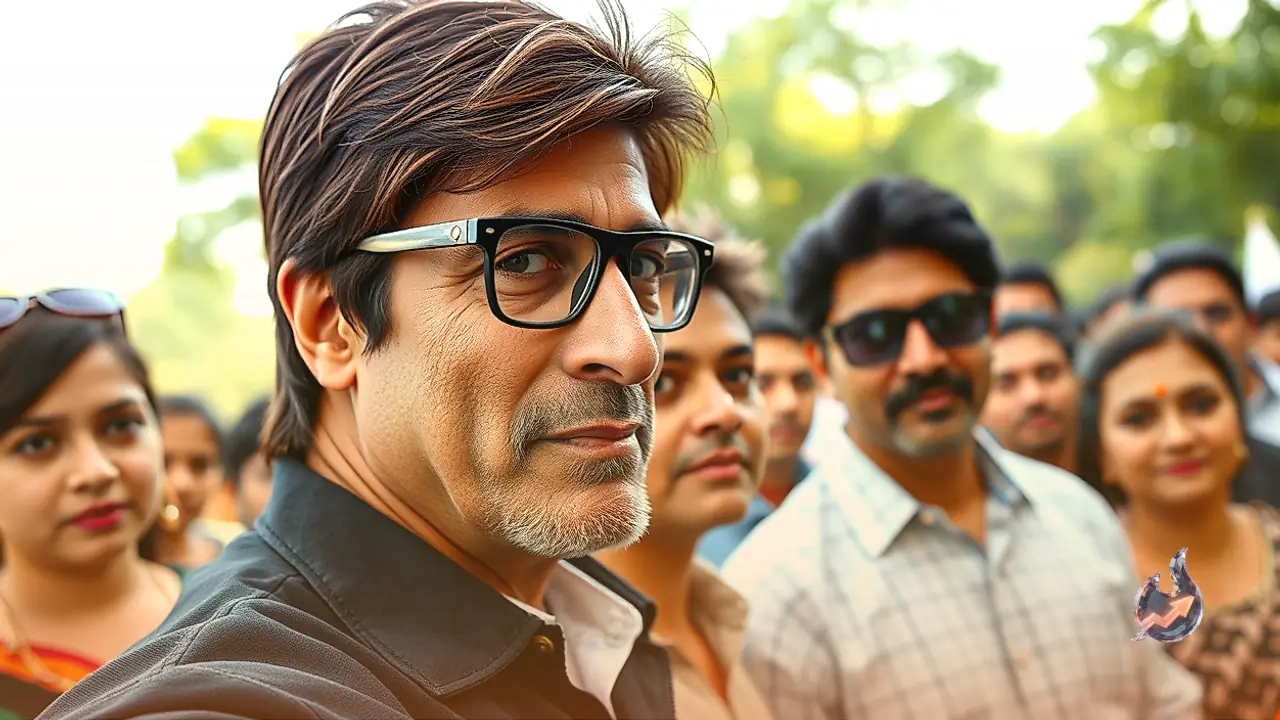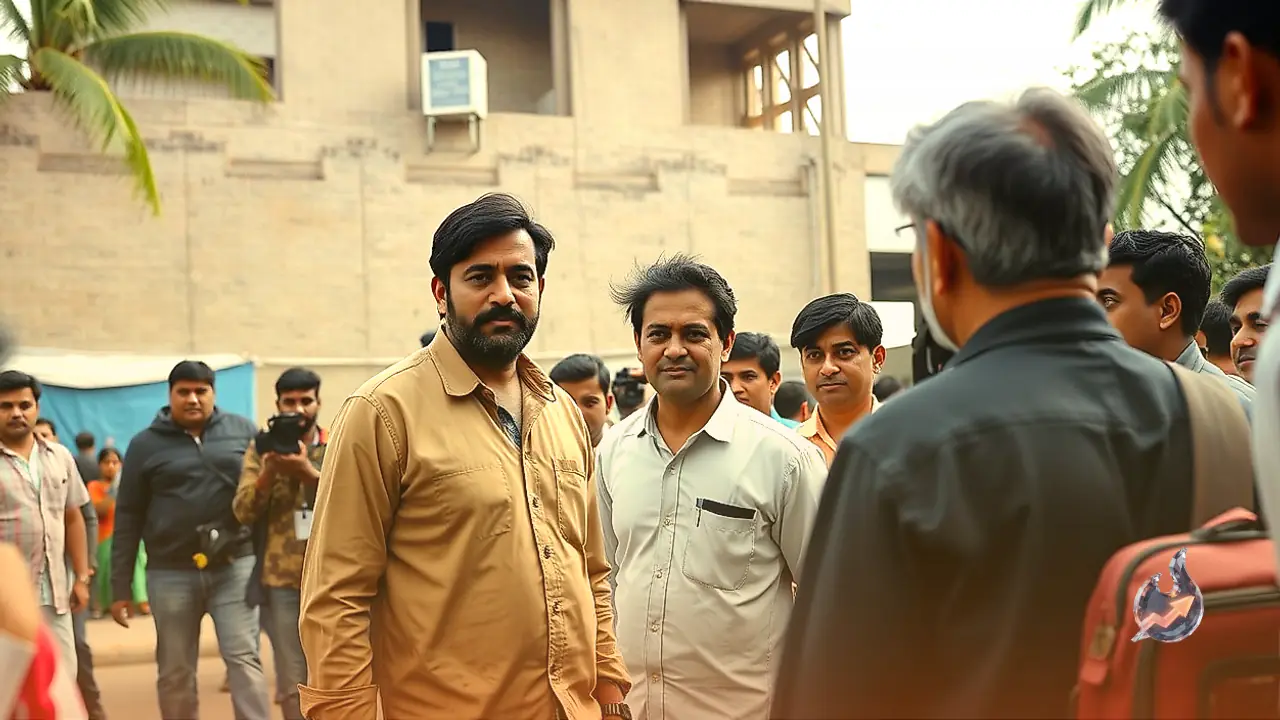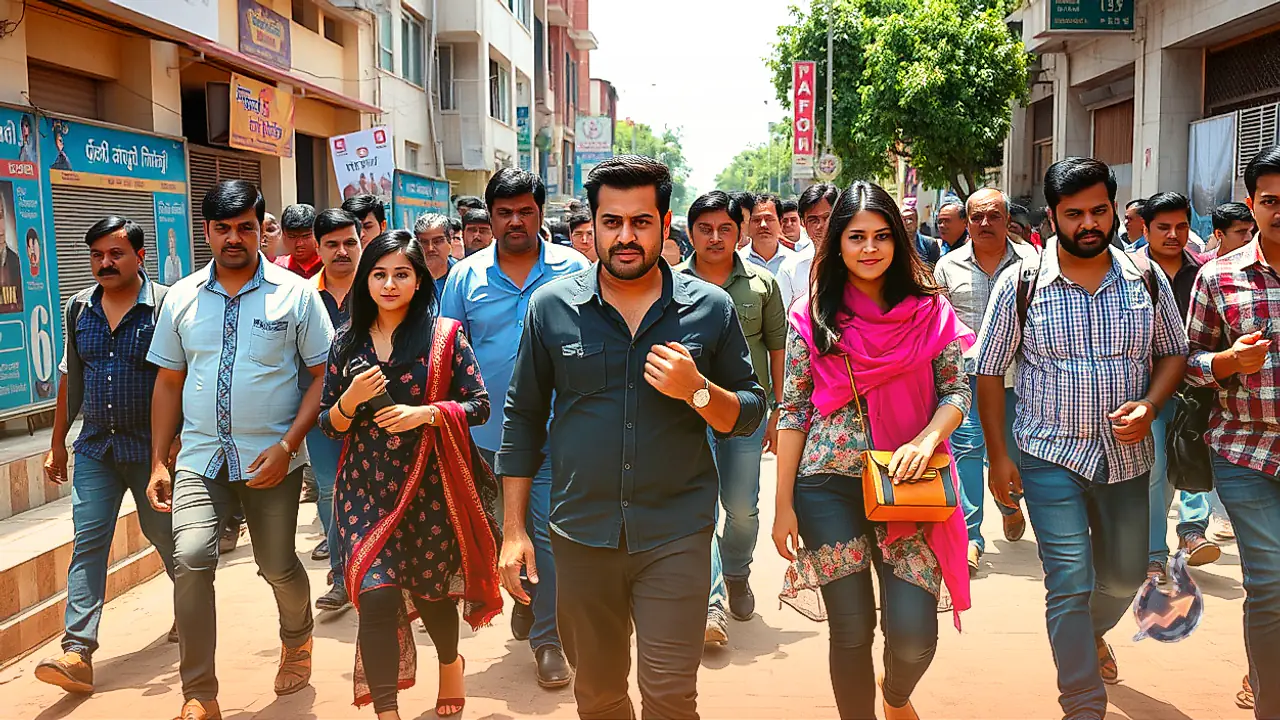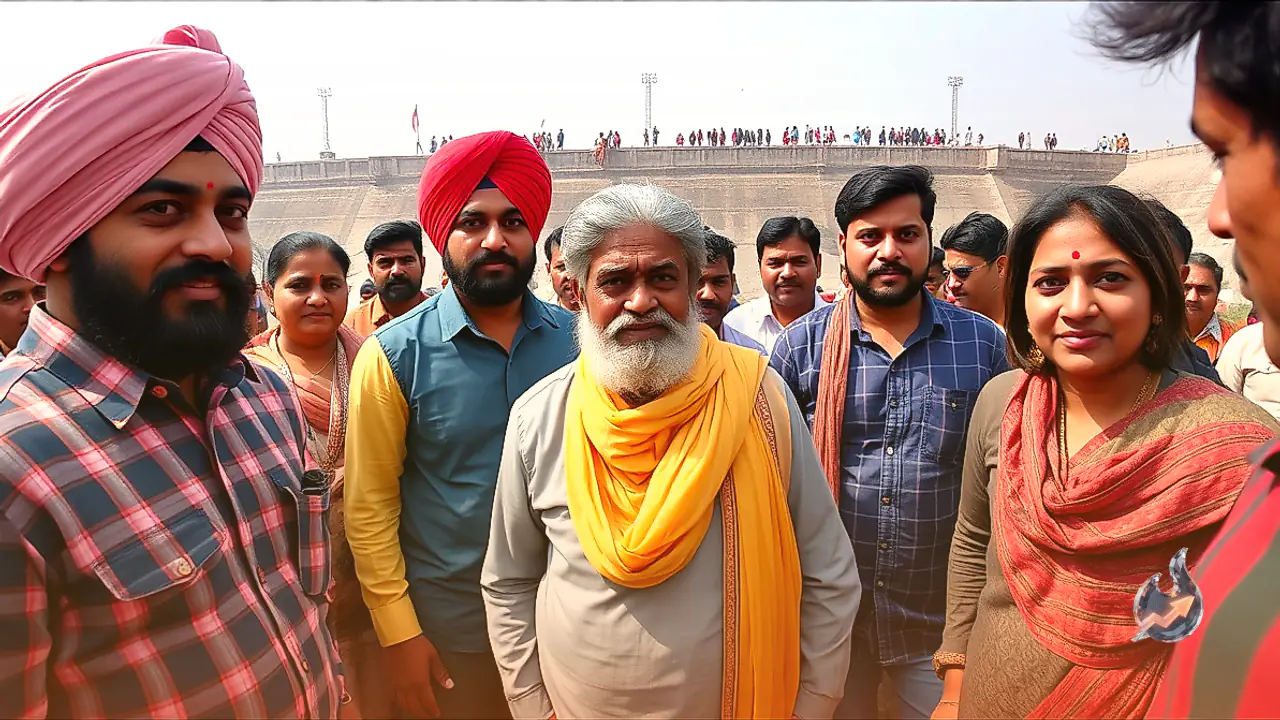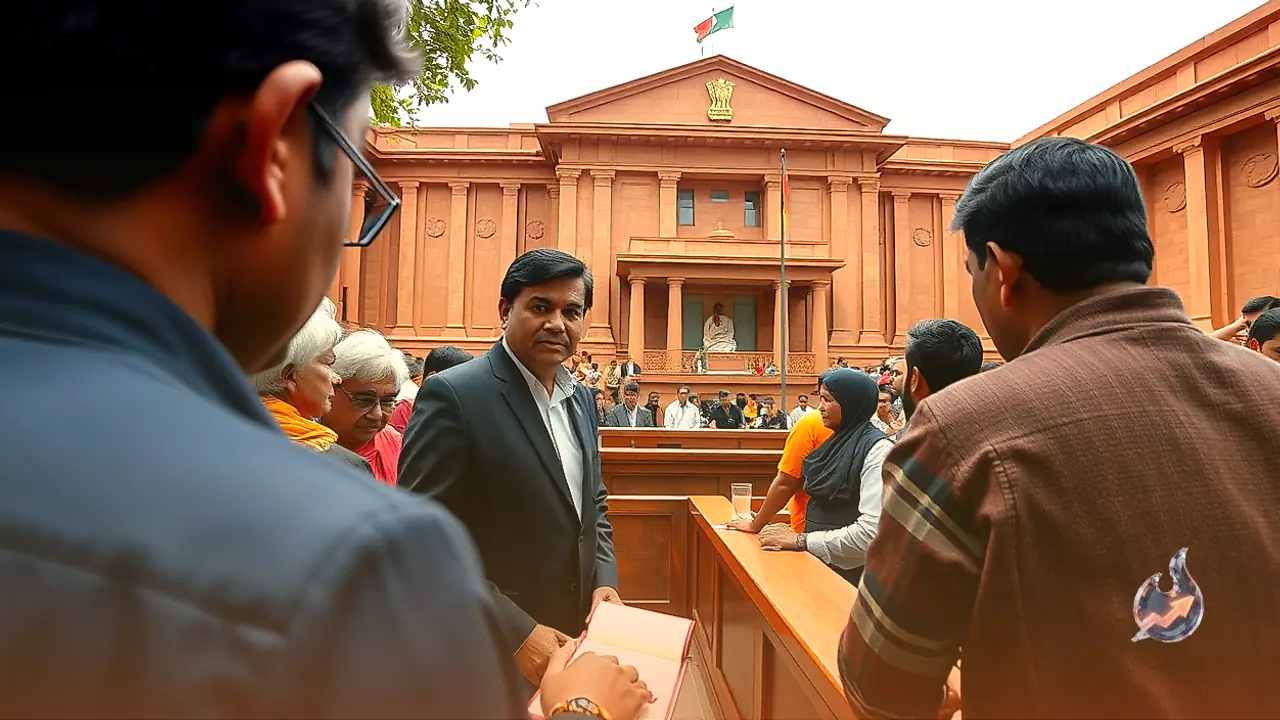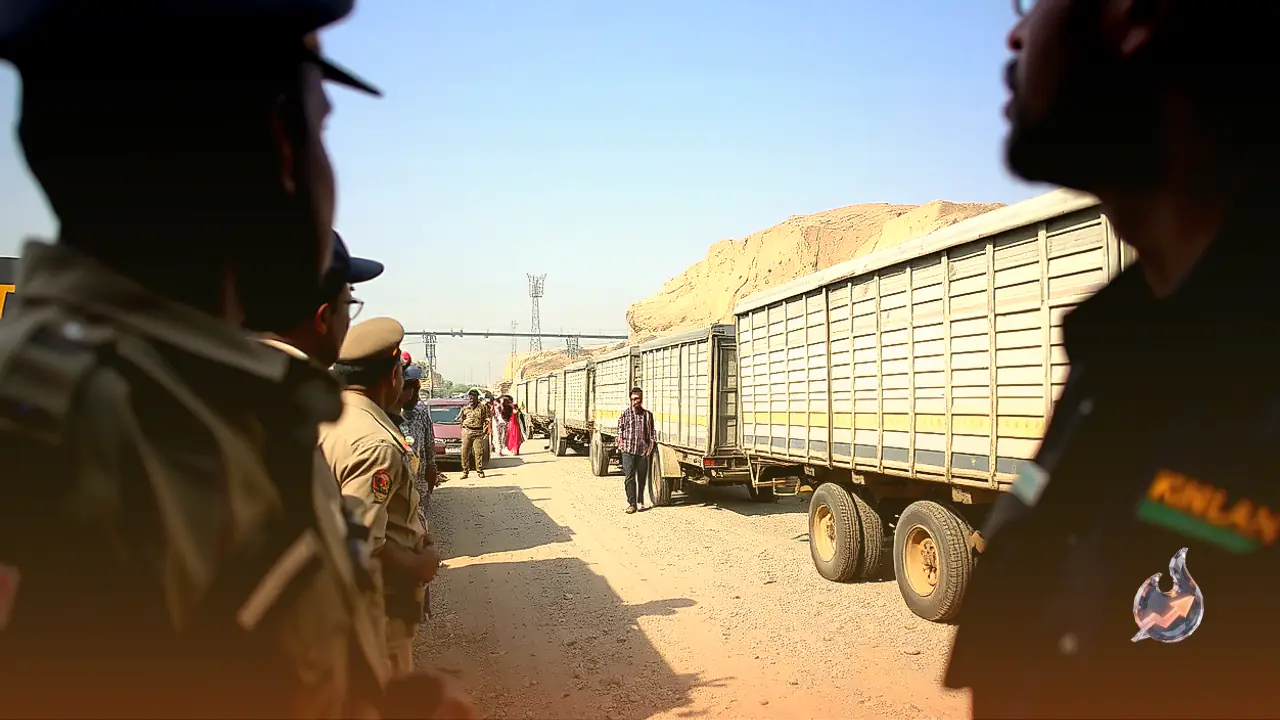




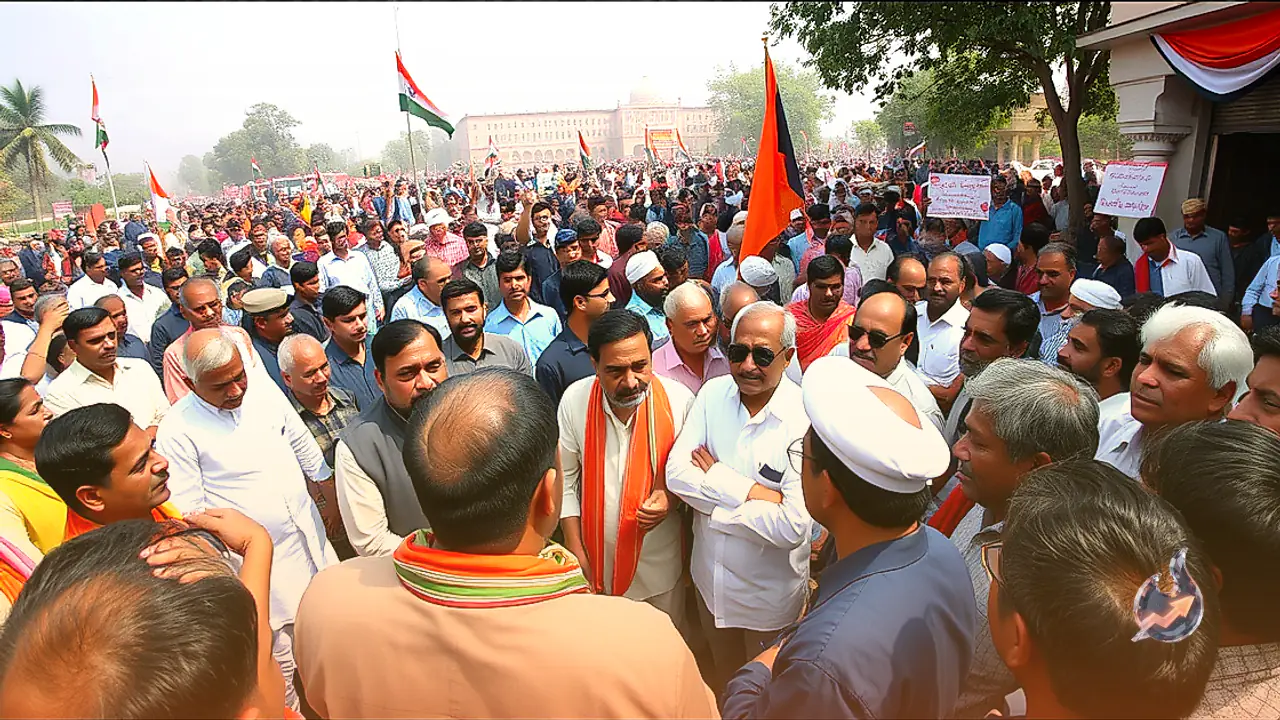














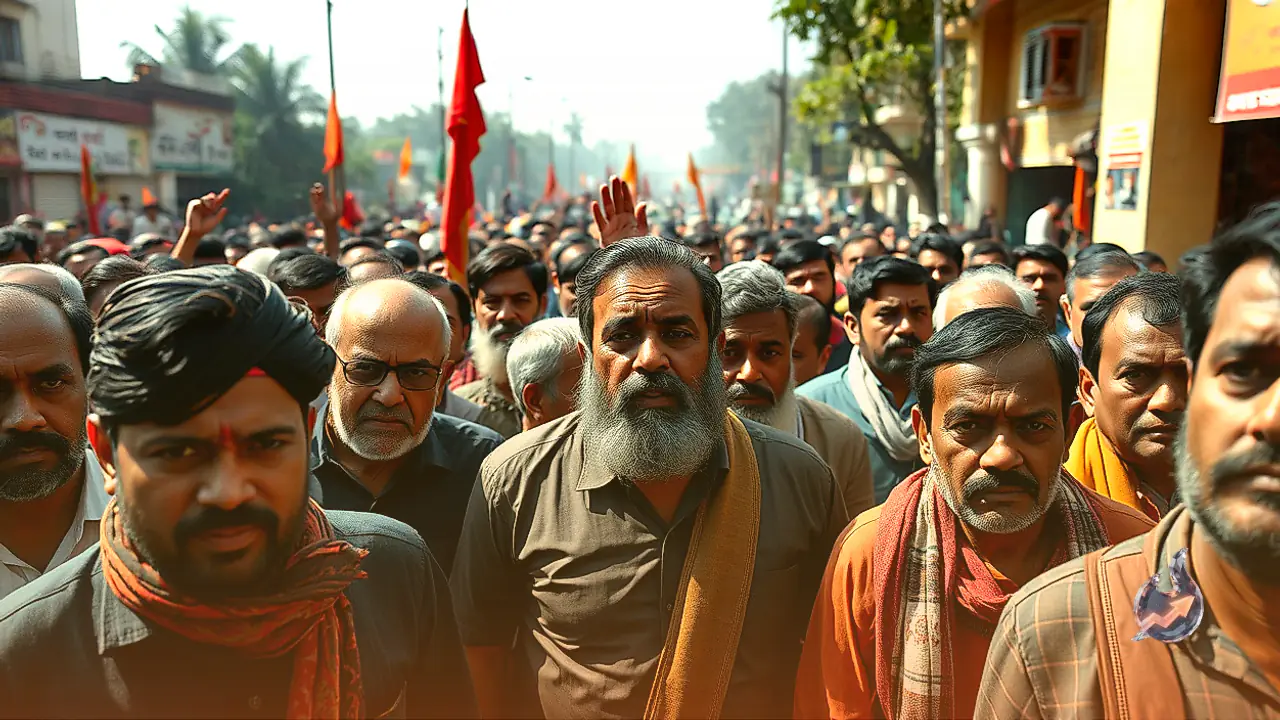

A fresh controversy has erupted across digital platforms following remarks by filmmaker Vivek Agnihotri regarding religious gatherings and state taxation. The debate began after Agnihotri reposted video footage capturing intense crowding and jostling among visitors seeking darshan at Kainchi Dham in Uttarakhand on October 4. In his commentary on X, the filmmaker posited that if the administration could impose a tax on religion, the country would turn into the wealthiest nation almost overnight. He argued this prosperity would arise not merely from direct tax collection, but because citizens would shift their focus away from religious rituals toward innovation, productivity, economic advancement, and fresh ideas instead of passively waiting for divine intervention or miracles. These comments triggered sharp outrage from the Vishva Hindu Parishad, which has demanded an unconditional apology from the director.
Faith, Local Economies, and Cultural Significance Highlighted by VHP
Reacting strongly to the proposition, Vinod Bansal, national spokesperson for the Vishva Hindu Parishad, criticized the filmmaker for artificially pitting spiritual traditions against productivity and invention. Responding on X, Bansal questioned why the sacred journeys of millions of devotees should ever be diminished as waiting for miracles. He maintained that holy pilgrimage destinations constitute the very soul of the country and represent far more than routine worship spaces. According to Bansal, these sacred centers remain intricately linked with national civilization, collective cultural memory, social welfare, and the bedrock of localized commercial activities that sustain countless small businesses.
Questions Over Movie Industry Concessions and Promotional Intent
The VHP representative also highlighted what he characterized as a contradiction in the entertainment sector's financial demands. Bansal pointed out that film industry personalities routinely lobby state authorities for entertainment tax exemptions on their theatrical releases, yet raise demands to tax religious practices and pilgrim centers. He further questioned whether such provocative commentary was being deliberately deployed to generate attention for an upcoming cinematic endeavor. Reminding Agnihotri of his past commercial successes, Bansal noted that the same devout, spiritual, and nationalist Hindu audience had supported his film ventures and elevated his profile in the industry, making it inappropriate to trivialize their cherished beliefs.
Context of Past Productions and Upcoming Projects
The director is well recognized for engaging with contentious social themes. His previous directorial venture, The Bengal Files, arrived in cinemas last year and generated substantial public discussion across political and cultural spheres. Furthermore, his upcoming project is centered around Operation Sindoor. Given this backdrop of politically resonant cinema, his remarks comparing devotional enthusiasm with economic underperformance quickly evolved into a high-profile confrontation with religious representatives.
Director Mounts Philosophical Defense Amid Backlash
Following the widespread condemnation, Vivek Agnihotri published an explanation to counter his critics. Addressing his detractors, he requested users on the platform to refrain from preaching about religious doctrines, suggesting that everyone already claims total wisdom. The filmmaker remarked that he frequently wonders what classical Hindu philosophers, the authors of the ancient Upanishads, or Swami Vivekananda himself would observe regarding contemporary practices. He asserted that if individuals choose to equate superstition, expectations of magical intervention, unscientific definitions, and crowds gathering purely to shoot video reels with true Hinduism, they are welcome to preserve their mindset, concluding that lingering delusions have no simple cure.