





















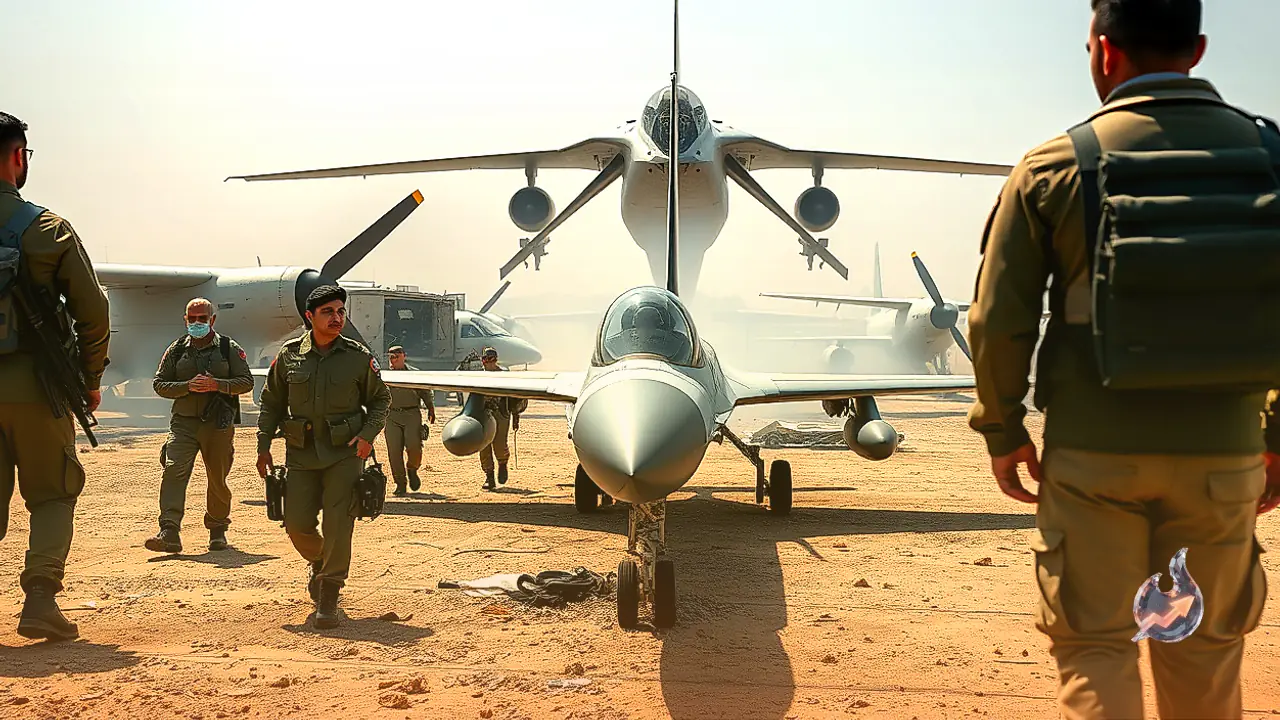

A high-intensity air campaign in the Middle East has dealt an extraordinary financial and operational blow to the United States military, with catastrophic losses sustained across its aviation fleet. During extensive operations against Iranian forces, American units have seen roughly 81 military aircraft and advanced uncrewed systems brought down or heavily damaged. The cumulative financial toll of this hardware destruction exceeds 3.3 billion dollars, triggering urgent scrutiny across Washington defense circles and raising difficult questions regarding tactical execution, base defenses, and overarching war planning.
Astronomical Costs Behind Destroyed Air Assets
The severity of these aerial losses extends far beyond standard attrition numbers, cutting directly into the most technologically advanced and costly layers of modern air power. The individual unit replacement values highlight the severe economic burden absorbed by the armed forces. Chief among these high-end platforms is the fifth-generation F-35A Lightning II stealth fighter, engineered specifically to operate undetected inside heavily defended airspace. A single F-35A aircraft commands a price tag of roughly 92 million dollars, representing an immense capital loss from a solitary downing.
Uncrewed aerial systems bore the overwhelming brunt of the numerical attrition, with US forces forfeiting a staggering 45 MQ-9 Reaper multi-role uncrewed drones throughout the theater. With each individual Reaper airframe costing between 30 million dollars and 50 million dollars, the elimination of dozens of these intelligence and strike workhorses accounts for a massive share of the overall valuation. Furthermore, standard multi-role strike capabilities were degraded with the loss of F-15E Strike Eagle fighters, each valued at more than 30 million dollars per airframe.
Strategic early warning capabilities took an exceptionally rare and damaging hit through the loss of an E-3 Sentry Airborne Early Warning and Control (AWACS) aircraft, a platform constructed upon the legacy Boeing 707 airliner airframe. Valued at approximately 270 million dollars, this specialized command-and-control platform is remarkably scarce, as the entire US Air Force inventory maintained just 32 fully operational units prior to the incident.
Comprehensive Breakdown of Combat Air Losses
The operational inventory detailed across US Central Command missions reveals that damage was spread across fighter squadrons, special mission aircraft, and rotary units alike. The detailed list of lost and heavily damaged fixed-wing assets and uncrewed platforms includes
- Fighter and Attack Aircraft: 12 F-15E Strike Eagle multi-role fighter jets, 1 advanced F-35A Lightning II stealth fighter, and 2 A-10 Thunderbolt II close air support attack planes.
- Tankers and Special Mission Platforms: 7 KC-135 Stratotanker aerial refueling tankers, critical for long-range sorties, and 2 MC-130J Commando II special operations transport aircraft.
- Airborne Command and Rescue: 1 E-3 Sentry early warning aircraft along with 1 HH-60W Jolly Green II combat search-and-rescue helicopter.
- Uncrewed Systems: 45 MQ-9 Reaper strike drones, 3 MQ-1 multi-role uncrewed drones, and 1 high-altitude, long-endurance MQ-4C Triton maritime surveillance drone.
- Helicopter Fleets: Rotary losses incurred during intense close-quarters operations encompass 1 AH-64 Apache attack helicopter, 4 AH-6 Little Bird light attack helicopters, and 1 naval MH-60 Seahawk maritime helicopter.
Devastating Friendly Fire Incidents and Air Base Bombardments
Beyond losses inflicted directly by enemy air defenses, a substantial portion of the damage stemmed from severe identification errors and vulnerability at forward regional installations. On March 2, 2026, an catastrophic coordination breakdown occurred in the skies over Kuwait, where local air defense systems or allied forces engaged in friendly fire, mistakenly shooting down 3 friendly F-15E Strike Eagle fighters. Just one month later, in April, an additional F-15 jet was downed while conducting missions inside Iranian airspace.
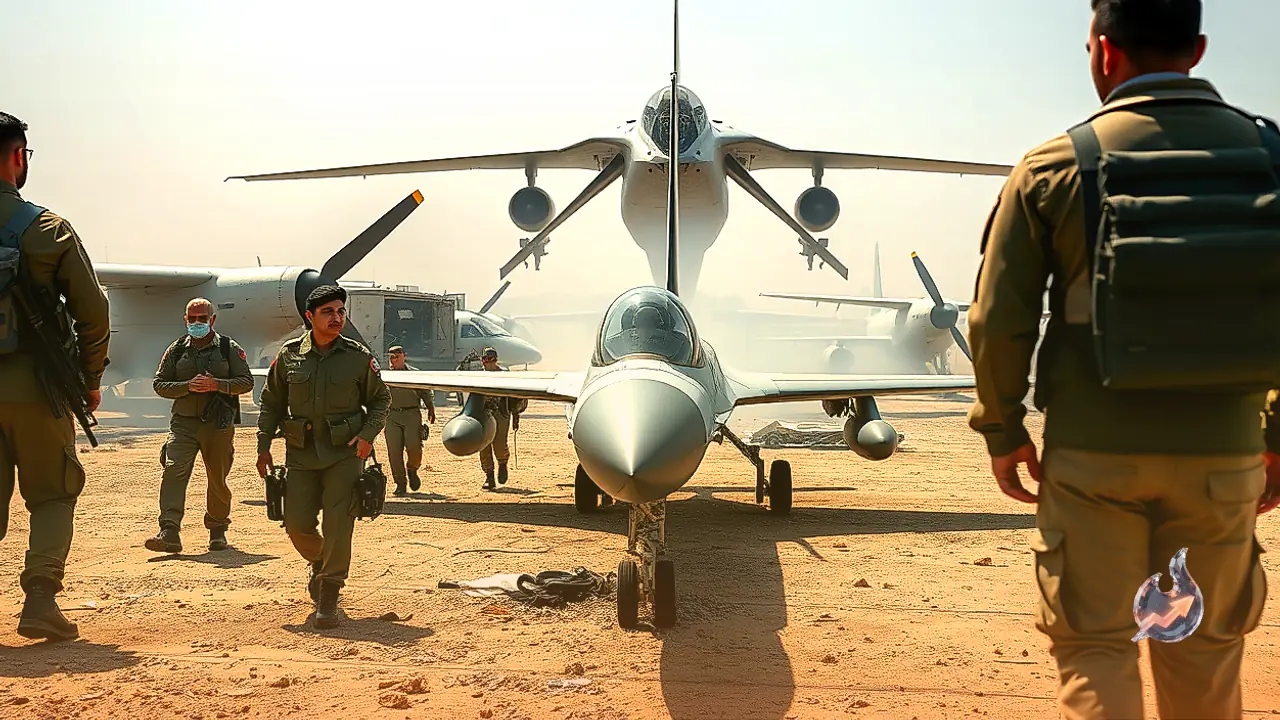
Vulnerabilities on the ground exacerbated the aerial crisis even further. On September 9 and September 10, 2026, Iranian forces executed concentrated air and missile strikes targeting Muwaffaq Salti Air Base inside Jordan. The incoming barrage struck maintenance and parking areas, leaving at least 8 other American F-15E aircraft heavily battered and non-operational. These ground strikes underscored the persistent exposure of forward operating bases in neighboring partner nations.
A 6 Billion Dollar Surge in Munitions Expenditures
Alongside hardware destruction, the operational consumption of precision munitions, guided glide bombs, and interceptors has escalated far beyond initial budgetary models. Early fiscal estimates documented US military munitions spending for the campaign at approximately 21.7 billion dollars. However, updated assessments generated by US Central Command in just over a month raised that projected expenditure to 28.1 billion dollars.
This sharp adjustment represents a sudden 6.4 billion dollar surge in ammunition and missile usage within an interval of just 30 to 40 days. The velocity at which advanced stockpiles are being depleted reflects an engagement intensity that has forced logistics planners to burn through high-end reserves at an unprecedented rate, compounding the overarching financial strain on defense appropriations.
Uncertain Final Totals and Political Ramifications
Military evaluators emphasize that current casualty figures and equipment tallies remain provisional as kinetic engagements continue across the region. Due to the high classification levels surrounding active sorties and combat incidents, formally establishing definitive causes and fault allocations for every lost airframe requires extensive investigation. On an encouraging note, maintenance personnel anticipate that a portion of the aircraft with minor structural damage can eventually be refurbished and restored to operational flight status. Nevertheless, the immense loss of 81 air assets and the spiraling price of the conflict have intensified scrutiny on executive war planning.