














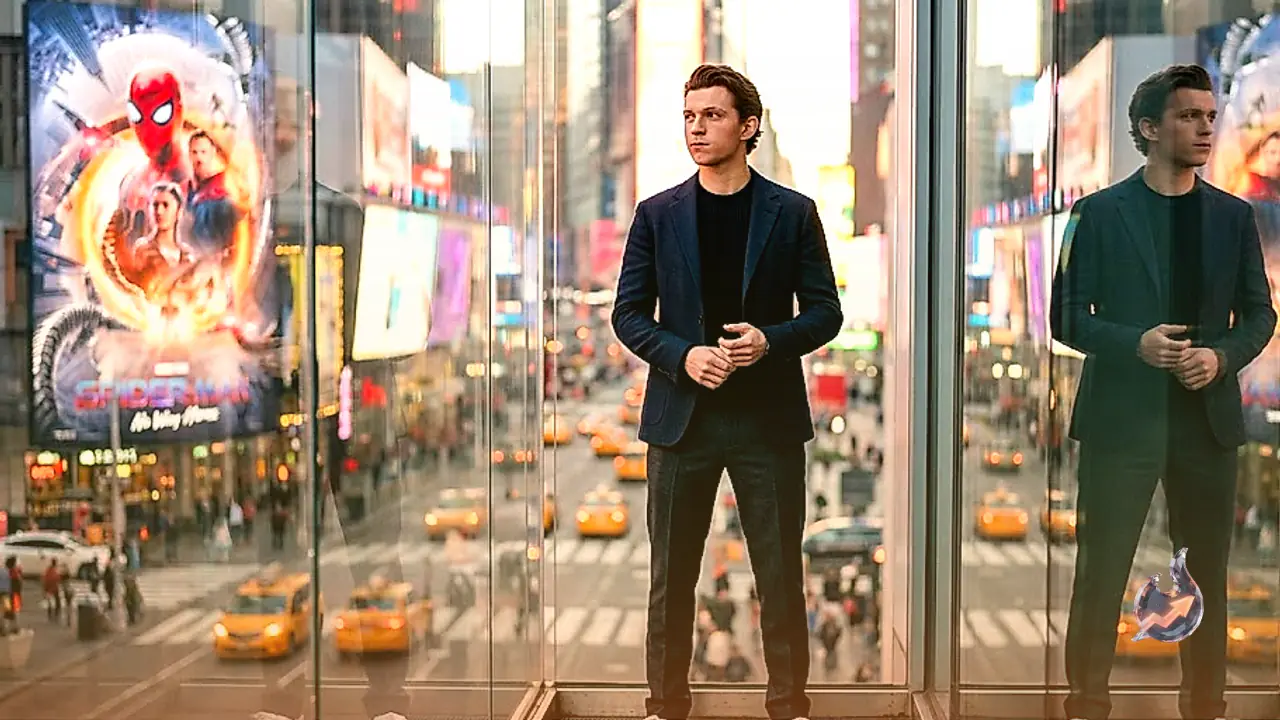

WARNING: Contains major spoilers for Spider-Man: Brand New Day. A vital question is posed to the protagonist at a decisive moment in Spider-Man: Brand New Day: "Are you Peter Parker? Or are you Spider-Man?" This dilemma touches the core appeal of the webslinger, which has always relied on the central tension between Peter Parker's personal aspirations and the immense responsibility dictated by his superhero powers. For the first time since Spider-Man 2, Tom Holland's latest Marvel Cinematic Universe chapter directly wrestles with this concept. Beneath the surface of the action, the film dramatizes Tom Holland's real-life choices regarding whether to continue playing Marvel's most recognizable superhero after dedicating a decade of his career to the suit.
A Decade of Webslinging and the Marvel Cinematic Universe Legacy
Tom Holland's tenure as Spider-Man began just over ten years ago when he made his high-profile debut in Captain America: Civil War. From that introduction, he went on to lead a complete standalone trilogy comprising Spider-Man: Homecoming, Spider-Man: Far From Home, and Spider-Man: No Way Home. His character was simultaneously integrated into the broader narrative arc of crossover blockbusters Avengers: Infinity War and Avengers: Endgame. Within this narrative journey, Holland's Peter Parker defended New York City, embarked on a high school European tour, traveled into deep space, succumbed to the Snap, returned to life, collaborated with alternate-universe Spider-Men, and grieved the tragic deaths of both Tony Stark and Aunt May. The conclusion of No Way Home established him in classic comic book territory: no longer a high school student, residing alone in a modest apartment, and operating as a full-time vigilante disconnected from his past personal life.
Real-Life Evolution at Thirty and Expanding Beyond the Suit
Embodying Spider-Man consumed Tom Holland's twenties, defining his public identity for ten consecutive years. Now 30 years old and married, Holland has expanded his artistic portfolio into diverse dramatic and entrepreneurial ventures. He starred in the complex psychological thriller series The Crowded Room, performed on stage in the West End production of Romeo & Juliet, and established his non-alcoholic beverage enterprise, Bero. Furthermore, he joined director Christopher Nolan's upcoming cinematic project The Odyssey. Given these expanding horizons, questions naturally arose regarding whether he wished to return to the superhero role after his original Marvel contract ended with No Way Home. Reflecting on that pivotal moment, Holland noted, "It really felt like a stepping-off point for me as an actor to just go and explore other things."
Dramatizing Identity Crisis and Physical Mutation in Brand New Day
Brand New Day incorporates Holland's real-life career evaluation directly into its central narrative. Jumping three years past the memory-erasing conclusion of No Way Home, the story reintroduces Peter Parker operating in a world where nobody remembers his identity, including his closest former friends. Peter lives as an absolute workaholic superhero, devoting every hour to combating villains with virtually no time reserved for a personal life as Peter Parker. The narrative centers on this profound identity crisis, examining what remains of Peter Parker when his human identity is completely unrecognized. Because Peter maintains no equilibrium between his superhero duties and personal life, his body begins physically transforming through an uncontrollable mutation. Holland actively contributed to crafting this creative direction, helping conceptualize the 'Spider Puberty' storyline himself. Flashbacks within the film highlight Holland's physical maturity, demonstrating how much he has evolved as an actor since his teenage debut in Civil War.
Overcoming Power Suppression and Embracing the Dual Legacy
In response to his mutating abilities, Peter initially constructs a technological inhibitor device designed to suppress his unstable powers. However, the film's climax demands that he stop suppressing his biological changes, accept his superhero side, and restore personal balance by choosing to exist as Peter Parker once again. A poignant flashback features Aunt May reminding him that Peter Parker is just as special as Spider-Man. Following a harrowing encounter where he survives being shot by Frank Castle, also known as the Punisher, Peter exits the hospital incognito. He moves through crowds of cheering fans and children wearing Spider-Man masks and carrying signs of affection. Experiencing this outpouring as Peter Parker, he smiles in acknowledgment of the character's real-world cultural impact. The narrative resolves both Peter's and Holland's journeys as they accept the dual responsibilities of both identities, providing a unified answer to the central question: "I'm both."