




















Russia has reported recording the largest Ukrainian drone attack since the outbreak of the war, with a landmark bridge linking Russia to occupied Crimea sustaining minor damage alongside strikes on several key oil refineries. The intense military escalation comes just days after diplomatic talks involving US, Ukrainian, and Russian envoys aimed at finding a pathway to end the conflict that began with Russia's full-scale invasion in February 2022.
Massive Aerial Interceptions and Regional Strikes
According to Russian military officials, air defense systems intercepted and destroyed 2,049 drones and four Flamingo long-distance missiles over a 24-hour period. Moscow Mayor Sergey Sobyanin added that approximately 600 of these drones flew directly toward the capital city alone. Meanwhile, the Ukrainian capital of Kyiv experienced a record 17 air raid alerts within a single day. Russian strikes resulted in the deaths of at least seven people, while coordinated attacks on energy infrastructure triggered widespread blackouts affecting 50,000 residents.
Energy Facility Damage and Infrastructure Incidents
The wave of aerial bombardments caused significant disruption to critical infrastructure, notably hitting an oil refinery in Ilsky within the southern Krasnodar region. Falling drone debris at the facility sparked a substantial fire that injured six people, including several children. Ukrainian President Volodymyr Zelensky had accused Russia last week of waging a targeted campaign against the country's bridges to divide Ukraine and complicate daily life for citizens living on both sides of the Dnipro River.
Kerch Bridge Impact and Security Measures
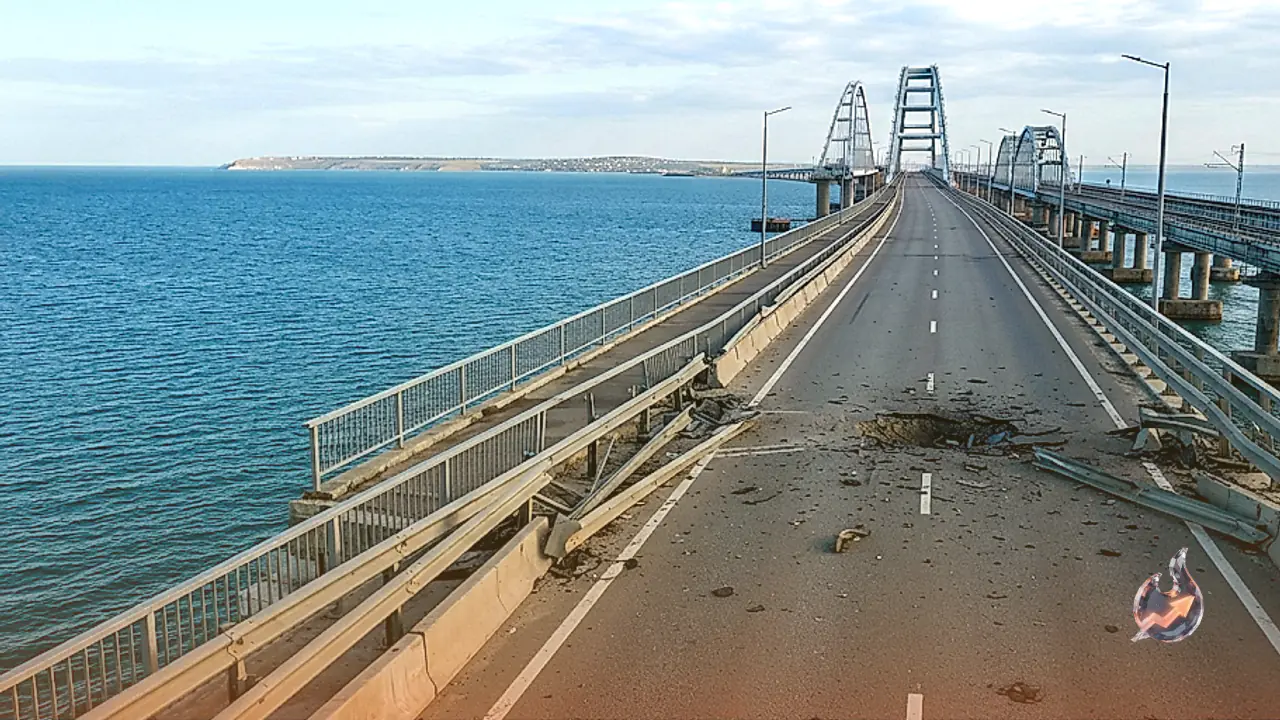
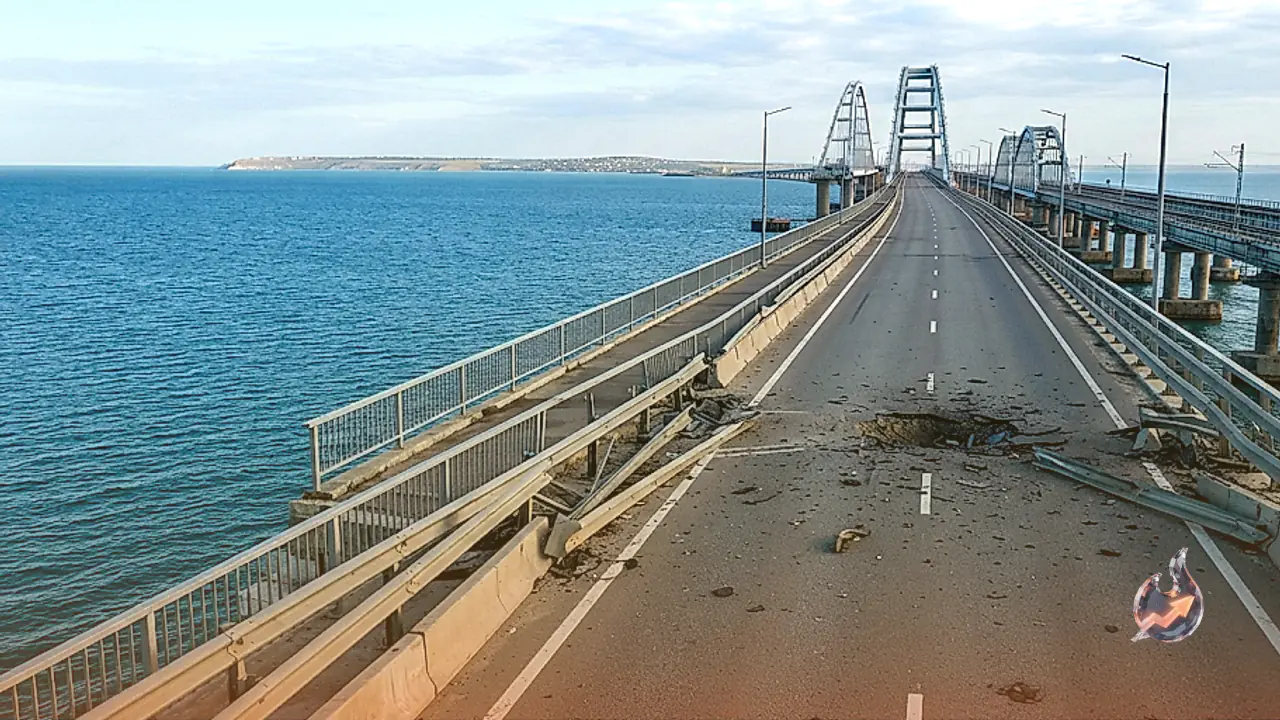
Sergei Aksyonov, the Moscow-installed head of Crimea, confirmed that drones successfully struck the Crimean Bridge connecting the Russian mainland to the annexed peninsula, forcing authorities to implement strict traffic restrictions. The structure, widely known as the Kerch Bridge, was constructed by Russia following its 2014 annexation of the territory. Inaugurated by Russian President Vladimir Putin with great fanfare in 2018, the bridge is heavily guarded by multiple layers of aerial and maritime defense mechanisms.
Pro-war Russian military commentators writing on Telegram suggested that the bridge suffered from the impact of falling drone warhead debris rather than a direct hit. Neither Ukraine's domestic security service nor its main military intelligence directorate issued a response to requests for comment. Atesh, a partisan Ukrainian group operating inside territory controlled by Russian forces, stated on social media that regional authorities in Crimea were bracing for additional strikes on the Kerch Bridge and expressed frustration that Moscow allegedly underestimated the gravity of the situation.
Diplomatic Impasse and European Security Concerns
Despite high-level diplomatic engagements and visits by US envoys Jared Kushner and Steve Witkoff to both Vladimir Putin and Volodymyr Zelensky, a lasting peace settlement remains distant. Moscow maintains uncompromising demands that Ukraine cede disputed territory and permanently abandon its aspirations for NATO membership. Furthermore, the Kremlin has revived discussions regarding the need to completely overhaul Europe's security architecture, which Moscow typically interprets as reducing NATO's military footprint in nations bordering Russia.
Washington's apparent willingness to entertain these strategic conversations has triggered serious alarm bells across European capitals. European partners fear that the continent's security framework might be renegotiated by the US and Russia without adequate European representation. To counter this, a coalition of six entities consisting of Britain, France, Germany, Italy, Poland, and an EU institutional representative has been established to participate in future trilateral talks.
However, the Kremlin continues to dismiss the validity of European input in the diplomatic process. Presidential spokesman Dmitry Peskov remarked that authorities need to thoroughly understand how much European positions will genuinely contribute to peace. Peskov criticized EU representatives for persistently advocating unconditional support for Ukraine and enhanced pressure on Russia, arguing that such diplomatic language indicates a reluctance to facilitate a genuine peace process.