


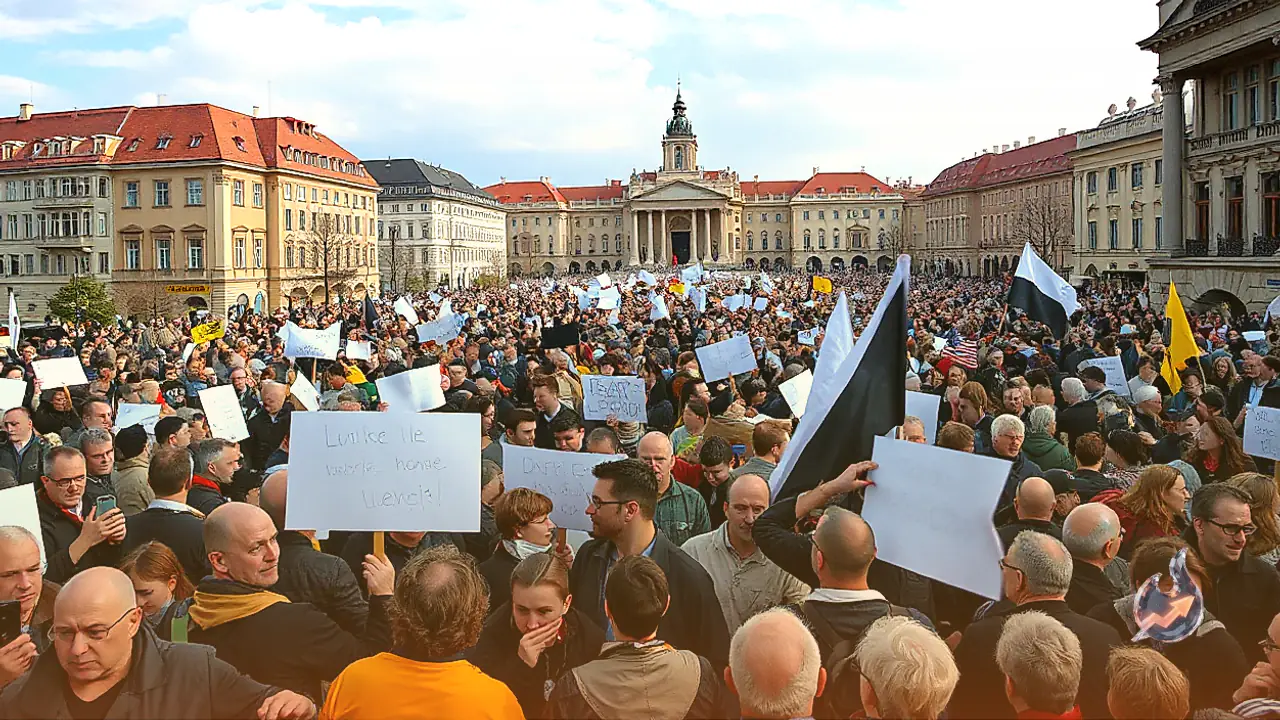














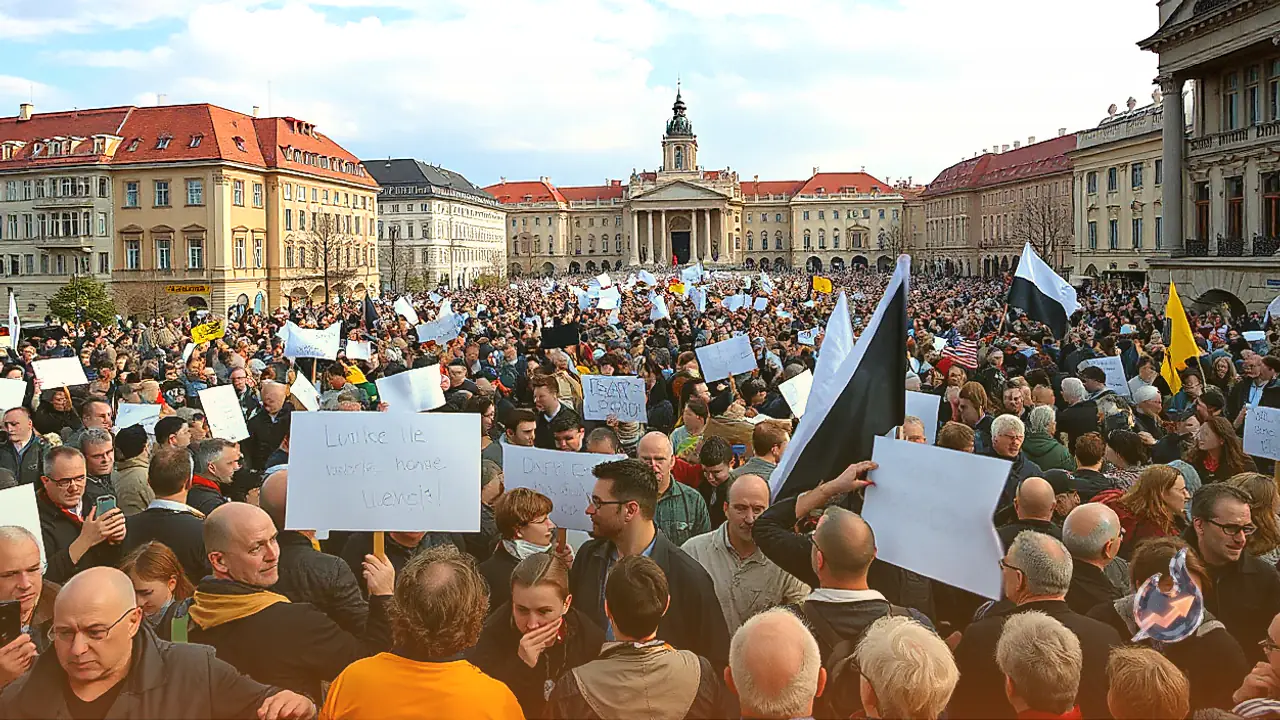

Massive crowds descended upon Letna park in central Prague as thousands of citizens voiced their strong opposition to the Czech government's contentious plans. The administration has proposed scrapping the traditional license fee system and switching to direct state budget funding for public broadcasters, a move that critics warn could pave the way for political interference in independent journalism.
Government Defense and Legislative Progress
The ruling coalition government, which comprises the populist ANO party alongside two right-wing Eurosceptic parties, maintains that the proposed adjustments will not compromise editorial independence in any way. Instead, officials argue that the structural shift is necessary to force broadcasters to trim their operating costs. Despite these official assurances, the legislation cleared its first draft in parliament late last month, immediately sparking widespread public outrage and street demonstrations across the country.
Current Costs and Record-Breaking Attendance
Under the existing financial model, Czech households currently pay 205 crowns ($9.44, £7.06) each month to support Czech TV and Czech radio. Sunday's demonstration was spearheaded by the Million Moments for Democracy association. According to the organisers, roughly 400,000 attendees flooded the park, which local observers describe as the largest protest witnessed since the nation gained independence in 1993.
Public Sentiment and Cultural Symbols
Protesters of all ages turned out to defend the integrity of national broadcasting. Milana Rudolfova, a 72-year-old pensioner, shared her concerns with reporters, stating that public television guarantees truth and objectivity, and warning that without it, citizens will no longer be able to trust anything. Adding a distinctive cultural touch to the gathering, several participants wore pointed paper hats folded out of newspapers as a tribute to Večerníček, the beloved animated character who introduced children's bedtime stories on Czech Television for decades.
Broader Political Context
Political analysts and opponents have drawn parallels between the current Czech media bill and reforms implemented in Hungary under former Prime Minister Viktor Orbán, who maintained tight control over state media during his tenure. Prime Minister Andrej Babis assumed office in December 2025 and has faced intense criticism over his administration's approach to the press. Pavol Szalai, the Prague Bureau director for Reporters Without Borders, noted earlier in June that political attacks targeting both private and public media have unfortunately become a hallmark of Andrej Babis' premiership.