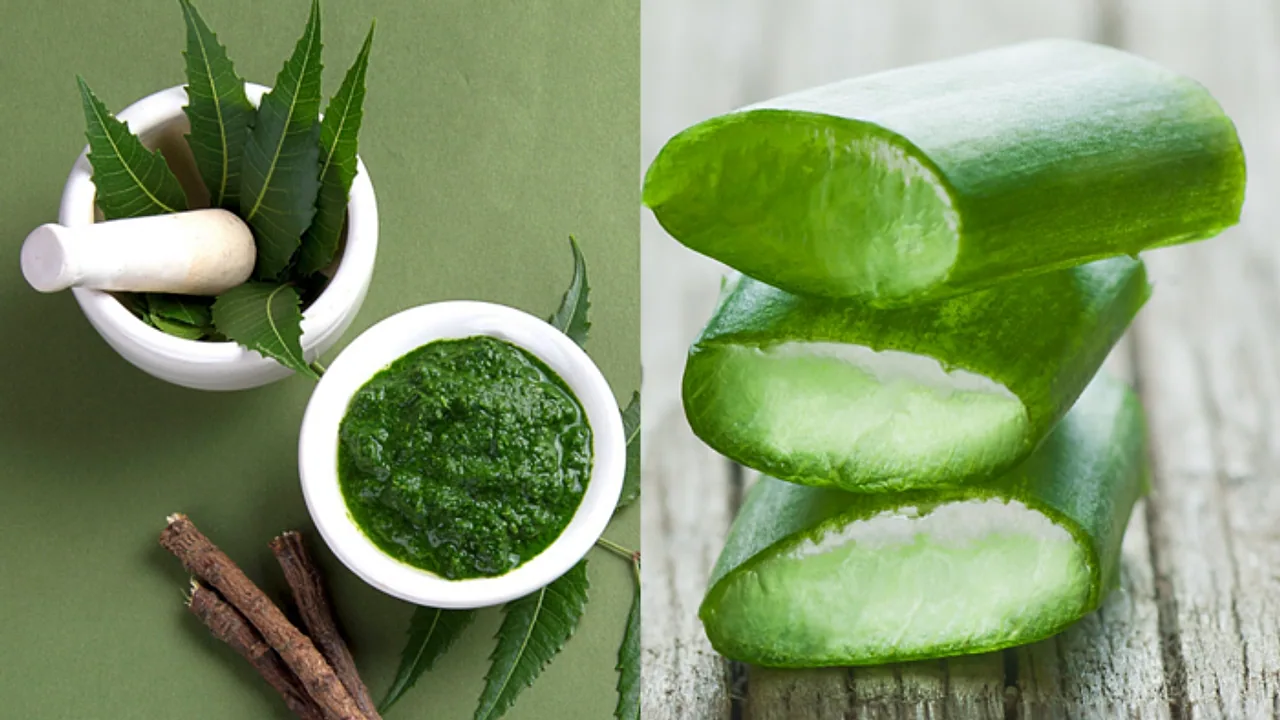

Traditional skincare practices have long relied on botanical extracts and mineral compounds to address everyday dermatological concerns. Neem leaves and alum, commonly known as fitkari, have occupied a prominent place in these home routines for generations. Alum is widely recognized for its natural astringent characteristics, which help restore firmness to the skin, while neem provides potent antimicrobial and anti-inflammatory properties. When these two ingredients are combined appropriately, they form a targeted topical remedy for various skin imperfections. Content creator Poonam Devnani detailed the specific preparation technique and practical benefits of this traditional combination in a video shared on YouTube.
Key Benefits of Blending Alum with Neem
For individuals dealing with persistent breakouts, blemishes, and acne scars, neem works as a reliable soothing agent. Its antimicrobial components actively discourage acne-causing bacteria from multiplying, while its anti-inflammatory nature helps calm redness and irritation across the skin. Complementing this action, the antiseptic quality of alum assists in preventing secondary surface infections from taking hold. Alum is equally valued for its ability to tighten sagging or loose skin and tone prominent pores. By acting as a natural astringent, it gently constricts enlarged pores, leaving the facial surface looking visibly firmer, smoother, and refreshed over regular applications.
Preparation Steps and Proper Application Method
Achieving the best results with this home remedy requires careful preparation. Begin by gathering fresh neem leaves and slicing a fresh cucumber into manageable pieces. Grate both ingredients together thoroughly until they break down into a fine, moist pulp. Place this mixture inside a clean cotton cloth and squeeze firmly to extract the strained juice into a clean container. Next, pour a portion of this extracted liquid directly onto a clean traditional grinding stone. Take a solid block of alum and rub it gently against the stone surface into the juice, allowing the mineral to dissolve gradually into the liquid. Once the mixture achieves an even consistency, transfer it to a small bowl. Apply the prepared liquid directly onto blemished regions and acne marks for roughly 10 to 15 minutes. Afterward, rinse the face thoroughly using plain or lukewarm water.
Precautions and When to Seek Medical Guidance
Even though natural ingredients are generally well-tolerated, individual skin profiles differ substantially. People with highly sensitive skin, eczema, or known topical allergies must exercise extra care before trying this remedy. Alum has a natural drying effect that may cause stinging, dryness, or peeling on certain skin types, making a preliminary patch test on the inner arm essential. Furthermore, if you suffer from chronic acne outbreaks, painful cystic lumps, or deep lesions, relying solely on topical home remedies is not advised. Under such circumstances, consulting a certified dermatologist is the safest and most effective course of action to diagnose and resolve underlying skin conditions.