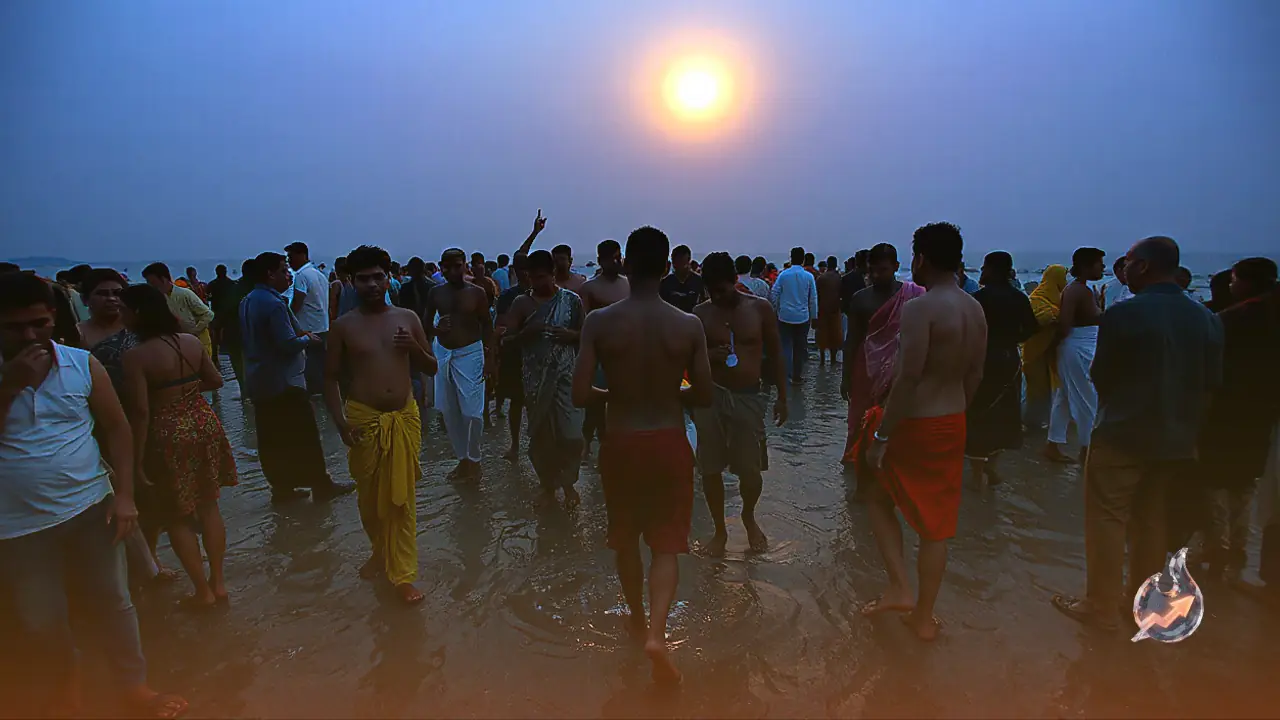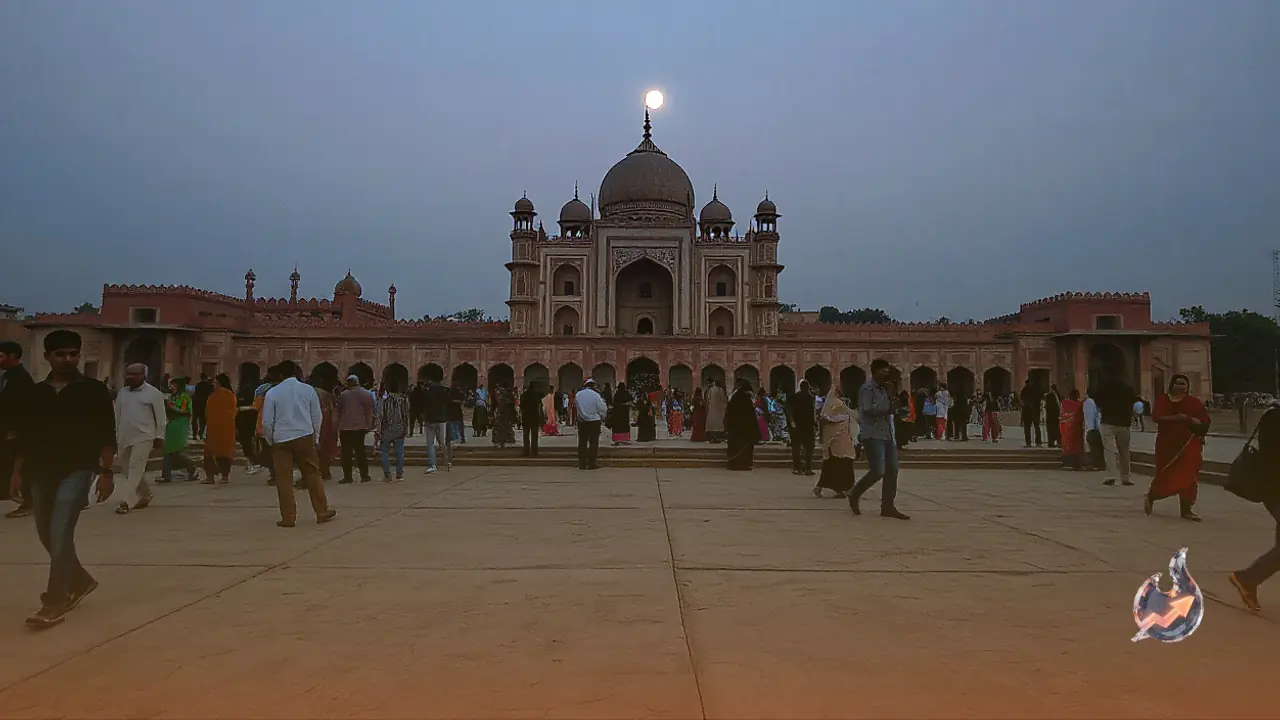

Women across Uttar Pradesh and other regions are observing the sacred Karwa Chauth fast for the longevity and prosperity of their husbands. After completing their evening prayers, observers patiently await the appearance of the moon to offer the final Arghya and break their daylong fast. However, localized weather developments may require extra patience in several districts this evening.
Cyclone Arnab and Atmospheric Haze May Cause 10 to 15 Minute Delays
The potential influence of Cyclonic Storm Arnab, alongside overcast skies and seasonal pollution, could obscure the sky across parts of Uttar Pradesh and neighboring northern regions. While the precise astronomical time of moonrise remains fixed, visual confirmation from the ground may be delayed by 10 to 15 minutes. It is important to distinguish between the calculated astronomical moonrise and the moment the celestial body becomes visible through atmospheric layers.
Anticipated Moonrise Windows Across Uttar Pradesh Cities
Moonrise timings vary slightly from city to city depending on geographical coordinates. Key urban centers across Uttar Pradesh will experience the moonrise sequence within specific local windows
- Lucknow and Ayodhya: In central and eastern regions including Lucknow and Ayodhya, moonrise will follow standard charts, though moving clouds may briefly alter visibility.
- Noida and Ghaziabad: In NCR towns such as Noida and Ghaziabad, smog and localized overcast conditions may extend the wait slightly beyond the calculated hour.
- Varanasi and Agra: Observers in Varanasi and Agra should prepare their prayer altars keeping local sky clarity in mind.
- Etawah and Bahraich: In districts like Etawah and Bahraich, cloud cover associated with regional weather patterns could temporarily shield the moon from direct view.
Ritual Alternatives When Clouds Obscure the Moon
If dense clouds or weather effects connected with Cyclone Arnab prevent a direct view of the moon, scriptural guidelines offer recognized alternatives. Fasting individuals may offer prayers facing the exact cardinal direction of the calculated moonrise. Worshipping Lord Shiva—who bears the crescent moon on his head—or offering water mixed with rice toward the moon's direction allows observers to complete their fast reverently.