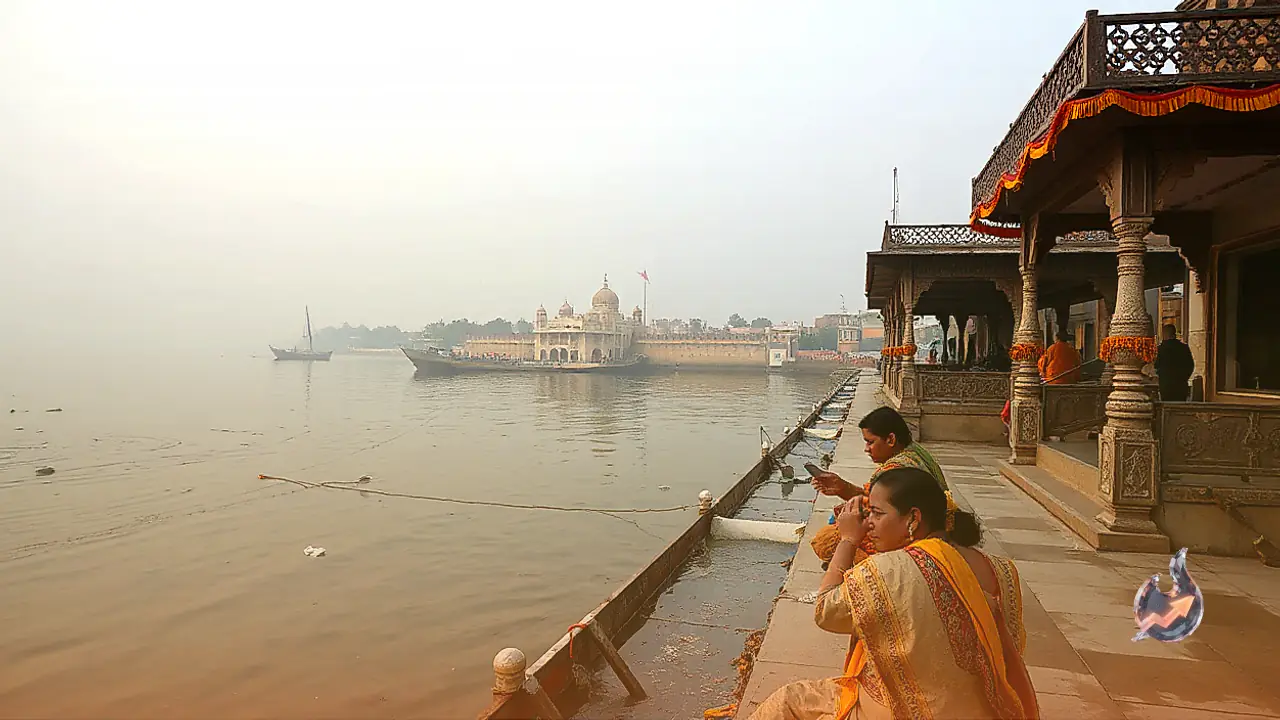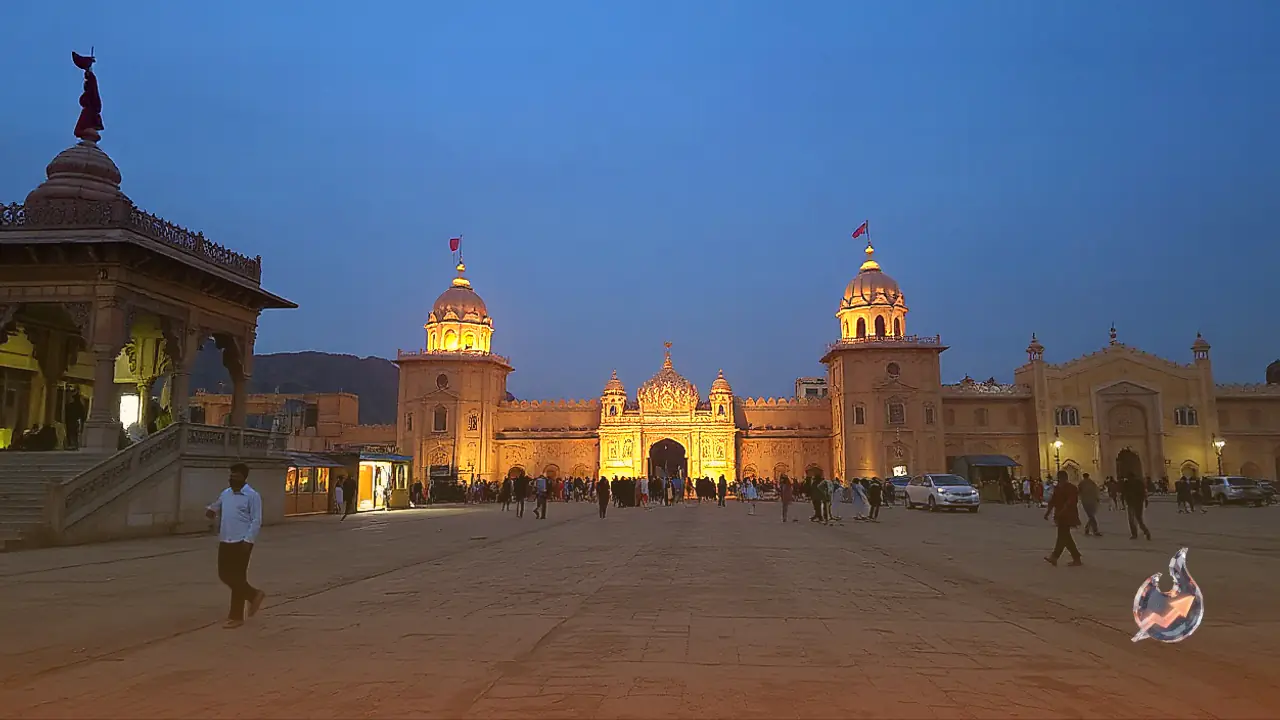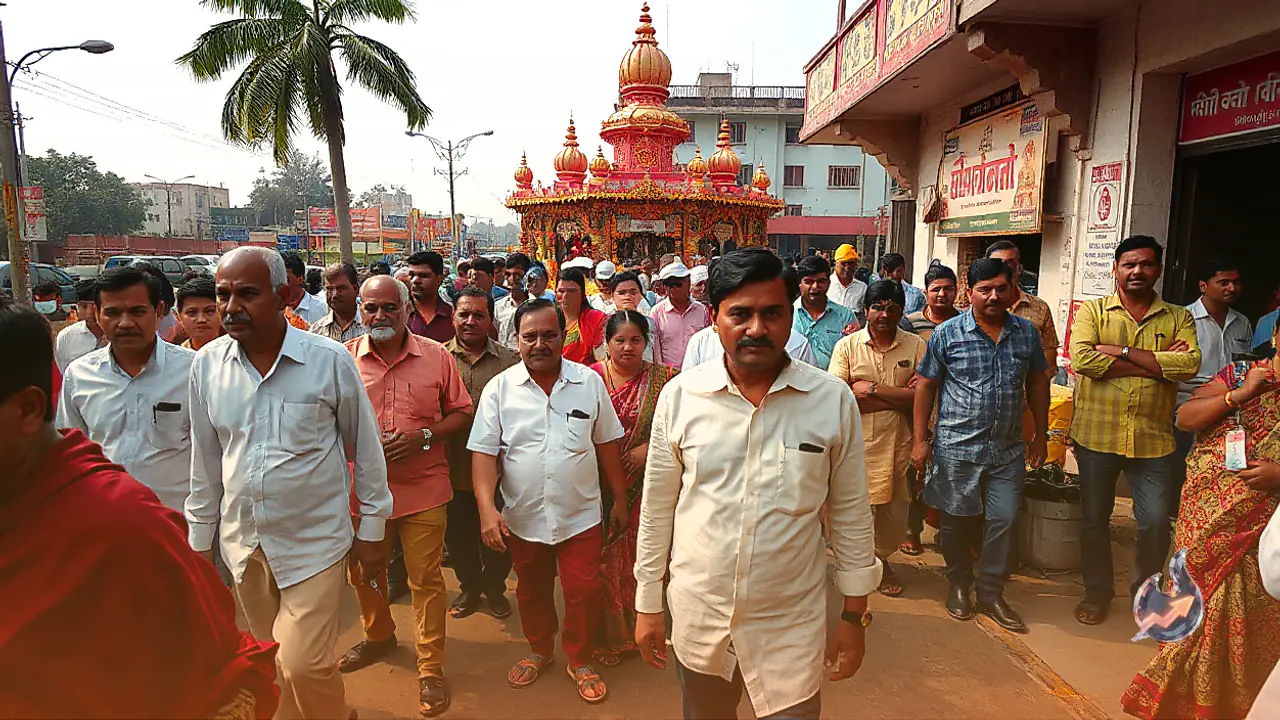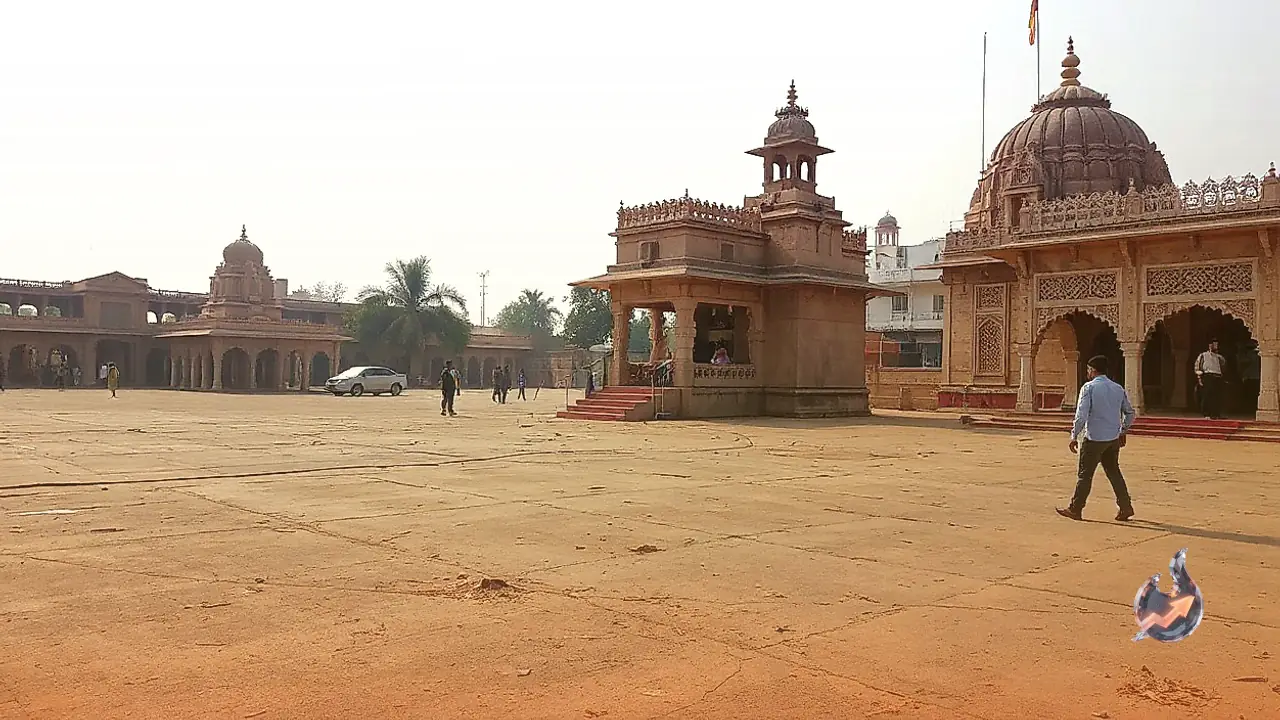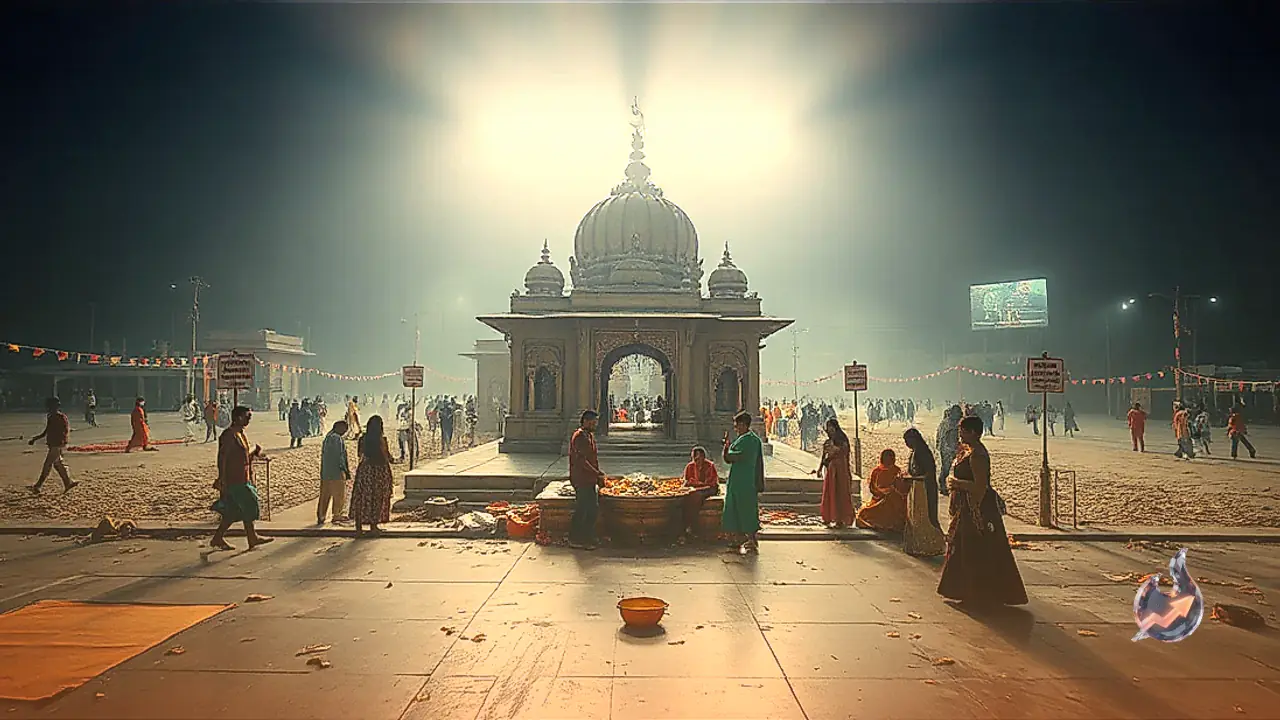
Kartik Purnima marks the celebration of Dev Deepawali, widely venerated as the Diwali of the gods. Sacred tradition holds that celestial beings descend from the heavens to earth on this auspicious date, gathering along the Ganga ghats of holy Kashi to celebrate the festival of lights. Because of this divine association, the occasion holds exceptional spiritual reverence within Hindu heritage. Devotees celebrate this festival by illuminating the embankments of the holy Ganga and other sacred waterways, as well as lighting oil lamps across their residences. Religious scriptures place deep emphasis on performing Deepdan during the Pradosh Kaal, as lighting lamps in this evening interval is believed to eliminate household negativity and usher in lasting happiness and prosperity.
Dev Deepawali 2026 Date and Pradosh Kaal Timings
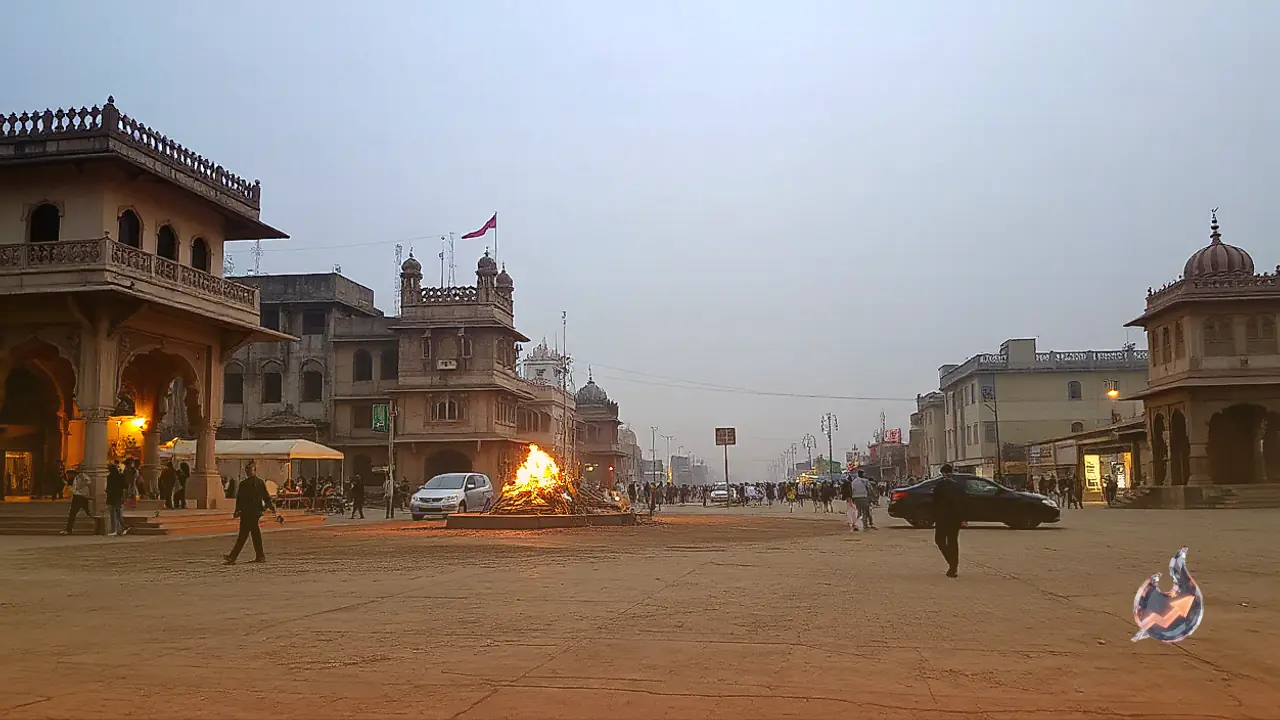
In the year 2026, Dev Deepawali will be observed on November 24, 2026. During this sacred evening, the historical city of Kashi, also known as Varanasi, turns into a mesmerizing spectacle of illumination. Visitors and pilgrims travel from across the country and overseas to witness the grand celebration across the riverbanks. Every ghat in Kashi is systematically adorned with countless earthen lamps, creating a continuous expanse of golden radiance along the sacred river.
Scriptural customs stipulate that the evening Pradosh Kaal represents the most auspicious window for lighting lamps. On November 24, 2026, the Pradosh Kaal begins at 5:08 PM and concludes at 7:47 PM. Lighting ceremonial lamps during this window is held to bestow immense spiritual merit and peace upon the family.
Muhurat for Deepdan in Kashi and Delhi-NCR
Due to regional variations in sunset and evening hours, the specific auspicious time frames vary slightly across locations. In Kashi, the auspicious Muhurat for Deepdan begins at 5:08 PM and continues until 7:47 PM, coinciding with grand rituals and evening prayers along the ghats. Meanwhile, devotees residing in Delhi and the National Capital Region (NCR) can observe their Deepdan rituals within the auspicious window starting at 5:24 PM and concluding at 7:48 PM. Performing the lighting ceremony within these designated hours aligns with established ceremonial traditions.
Number of Lamps and Recommended Materials
Traditional ritual conventions recommend lighting specific counts of lamps during the evening of Dev Deepawali. Devotees generally prepare 11, 21, 51, or 108 lamps to offer their prayers. Those wishing to light a greater number beyond these traditional counts may freely do so based on personal preference and devotion. Cultural beliefs favor traditional earthen lamps made of clay as the most auspicious medium for this occasion. These lamps should preferably be fueled with pure desi ghee or sesame oil to maintain the sanctity of the ritual.
Important Locations to Light Lamps at Home
While riverbanks remain central to the community celebration of Dev Deepawali, devotees also place lamps at vital points around their homes. The primary lamp must be placed inside the home altar or puja room. Following that, lamps should be positioned on both sides of the main front entrance, throughout the open central courtyard, on the terrace or rooftop, and beside the holy basil plant.
Devotees are advised to specifically use pure ghee or sesame oil for the lamp placed near the holy basil plant. Placing lamps at these strategic household locations is believed to invite auspicious vibrations, safeguard the dwelling against misfortune, and ensure enduring prosperity. Furthermore, offering lamps along the edges of local ponds, clean lakes, or natural water reservoirs is strongly recommended for those who have access to them.
Religious and Historical Significance of Deepdan
Ancient scriptural accounts connect Kartik Purnima to the legendary victory of Lord Shiva over the tyrannical demon Tripurasura. By defeating this formidable demon, Lord Shiva freed all three worlds from prolonged oppression and distress. Overjoyed by this triumph, the assembly of deities congregated on the banks of the sacred Ganga in Kashi to celebrate the liberation by lighting thousands of earthen lamps. This heavenly jubilation gave rise to the festival known as Dev Deepawali.
Sacred texts emphasize that offering lamps during the sacred month of Kartik yields multiplied divine rewards compared to ordinary months of the year. Placing lamps during Pradosh Kaal near consecrated water bodies, temples, sacred basil plants, and the household threshold is believed to dispel sorrow and spiritual darkness while welcoming light, virtue, and abundance into one's life.