






















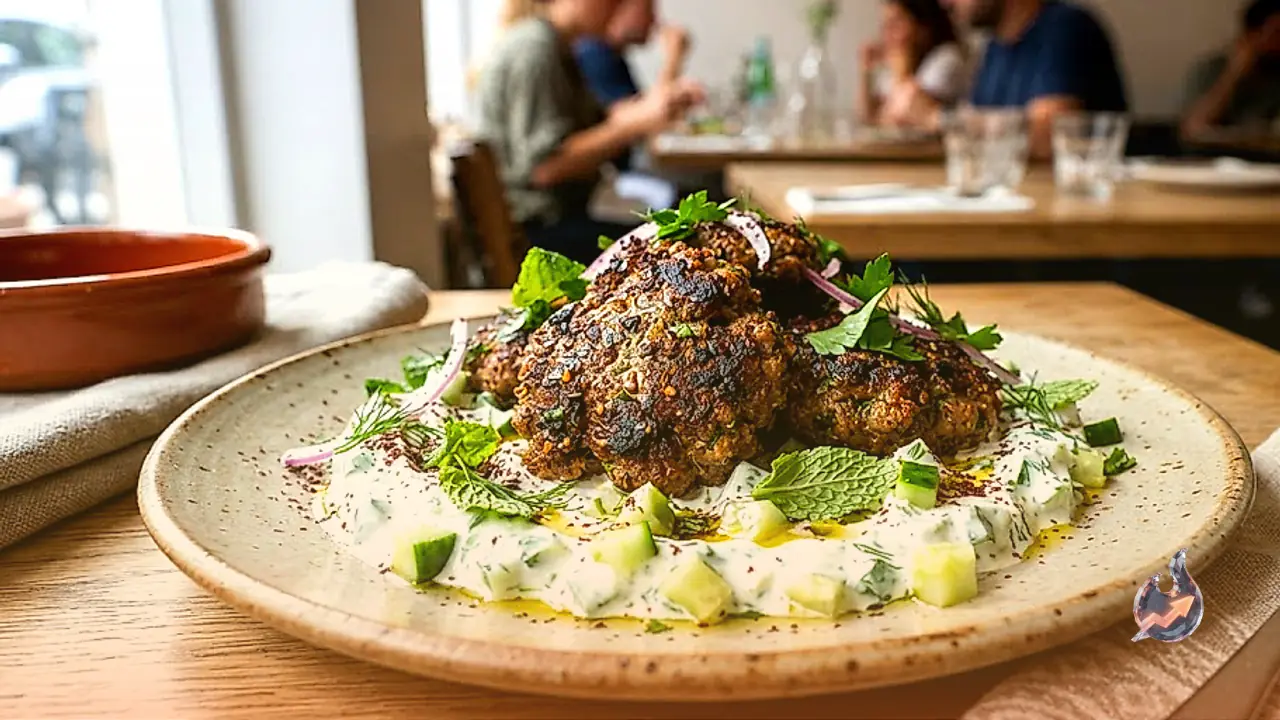

Traditional Middle Eastern and Persian skewered kebabs offer sensational flavor, but shaping minced meat onto flat metal skewers and grilling them over open embers can be a delicate, labor-intensive chore. A modern culinary technique reinterprets this classic by discarding the skewers entirely. Instead of neat cylinders, spiced minced beef is dropped into a smoking-hot skillet as loose, ragged clumps. This allows the meat to develop deeply caramelized, shatteringly crisp edges while maintaining a tender, succulent center, cutting down prep time dramatically without sacrificing taste.
The Inspiration Behind the Skillet Kebab
This streamlined concept draws its inspiration from a standout recipe created by Zaynab Issa, which achieved tremendous viral success and claimed the top spot in annual recipe rankings. That dish drew upon the core philosophy of Persian koobideh, where grated onion is worked into ground beef to ensure tenderness and moisture, seasoned simply with turmeric, seared hard in a pan, and presented over a refreshing bed of yogurt sauce.
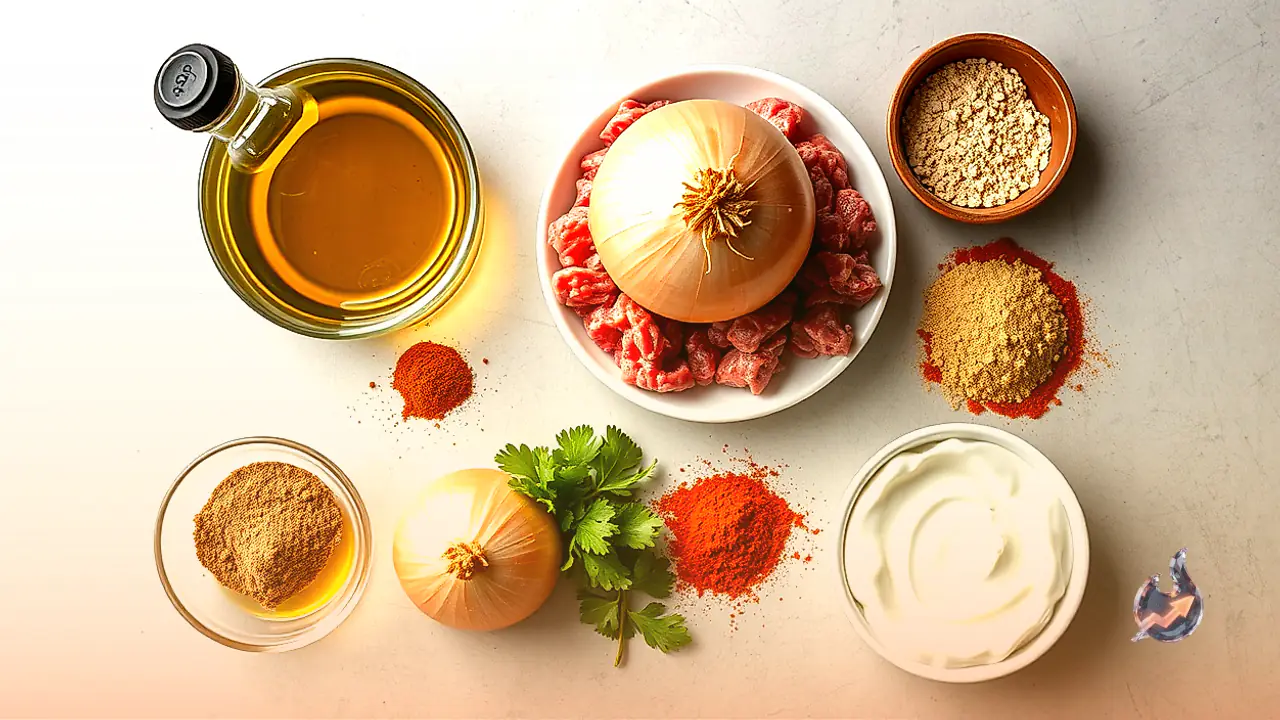
Building upon that smart technique, this interpretation introduces a richer, more layered kofta spice blend. While the original version kept things minimalist with turmeric alone, incorporating ground cumin, coriander, paprika, cinnamon, and a hint of cayenne produces a far more aromatic profile. Furthermore, the inclusion of crumbled walnuts and dried cranberries directly into the pan pays homage to traditional Persian condiments, providing contrasting bursts of crunch and gentle tartness against the richly spiced meat.
Essential Ingredients
Crafted to serve four, this complete meal comes together in just 25 minutes, requiring 15 minutes of hands-on prep and roughly 10 minutes of active cooking.
1. Smashed Beef Kofta Mixture
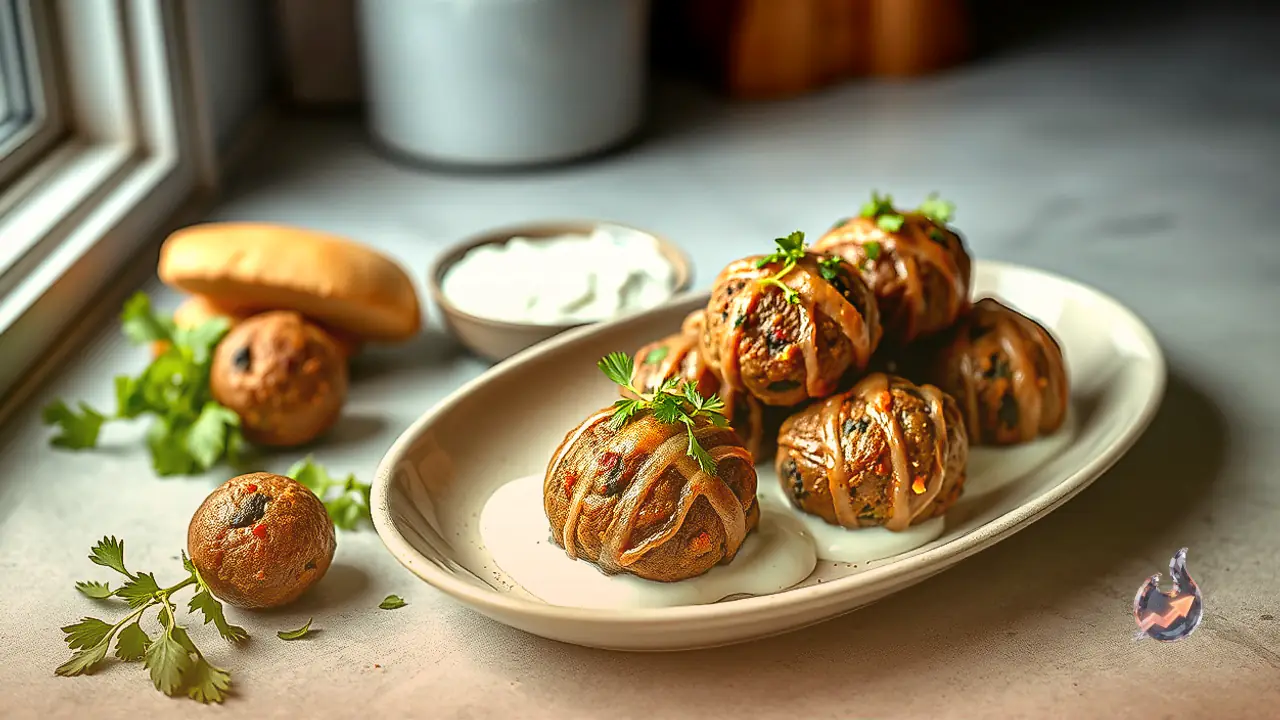
- Minced Beef: 500 grams (1 pound) of ground beef. Lamb mince works just as well and provides authentic richness. Leaner options like ground chicken or turkey can also be substituted, though they will yield slightly less juicy nuggets.
- Whole Brown Onion: 1 large onion, peeled and left whole for grating.
- Ground Cumin: 2 teaspoons.
- Ground Coriander: 2 teaspoons.
- Paprika: 2 teaspoons of regular or sweet paprika.
- Ground Cinnamon: 1.5 teaspoons. Do not omit this, as it delivers the essential sweet and woody warmth characteristic of traditional kofta.
- Cayenne Pepper: 0.25 teaspoon, entirely optional for a touch of heat.
- Cooking Salt: 1 teaspoon of kosher or cooking salt. If using fine table salt, reduce by half; if using delicate salt flakes, increase by half.
- Olive Oil: 1 tablespoon for the skillet. A well-seasoned cast iron pan can also be used without added oil.
- Walnuts: 0.25 cup, roughly crumbled into coarse pieces by hand. Roughly chopped pecans or almonds make great alternatives.
- Dried Cranberries or Raisins: 2 tablespoons. While raisins represent the traditional Persian choice, cranberries introduce a welcome tangy brightness.
2. Cooling Cucumber Yogurt Sauce
- Plain Yogurt: 1.5 cups of unsweetened yogurt. Full-fat whole-milk yogurt is strongly recommended for a lush texture, though low-fat yogurt remains functional.
- Fresh Cucumber: 1 large Lebanese cucumber (Persian cucumber), approximately 25 cm (10 inches) in length, or two medium cucumbers.
- Fresh Mint: 3 tablespoons finely sliced, plus extra reserved for garnishing. Fresh coriander (cilantro) or 2 teaspoons of dried mint can substitute.
- Cooking Salt: 0.5 teaspoon, reserved strictly for the final assembly.
3. Finishing Touches and Accompaniments
- Pomegranate Molasses: 1 tablespoon. This thick, tart syrup made from reduced pomegranate juice provides essential sweet-sour balance. A good balsamic glaze serves as an ideal replacement.
- Extra Virgin Olive Oil: A generous finishing drizzle.
- Pita Bread: Warmed pocket pita or flatbreads for serving.
Detailed Step-by-Step Cooking Method
The beauty of this method lies in avoiding perfection. Jagged, rough pieces of meat allow pockets of fat and spices to crisp up against the surface of the pan, yielding extraordinary textural variety.
Step 1: Whisking the Yogurt Foundation
Begin by assembling the yogurt sauce so the herb and dairy flavors have time to marry at room temperature. Set a standard box grater over a bowl and grate the whole cucumber. Unlike typical tzatziki recipes, there is no need to salt, sweat, or squeeze the moisture out of the cucumber. The naturally released cucumber water thins the yogurt into an ideal saucy consistency. Fold in the finely sliced fresh mint and the plain yogurt. Set the bowl aside on the counter while cooking the beef. Leave the salt out for now; adding salt too early causes the cucumber to purge excessive moisture, turning the sauce overly watery.
Step 2: Grating the Onion and Seasoning the Meat
Using the coarse side of the same box grater, grate the whole onion directly into a large mixing bowl. Grating rather than dicing releases the onion's juices, which naturally tenderizes the ground meat and distributes sweet, savory aromatics throughout every bite. Add the minced beef, cumin, coriander, paprika, cinnamon, optional cayenne pepper, and salt. Use clean hands to mix the ingredients thoroughly until the spices and onion pulp are uniformly incorporated throughout the beef.
Step 3: Searing the Ragged Meat Chunks
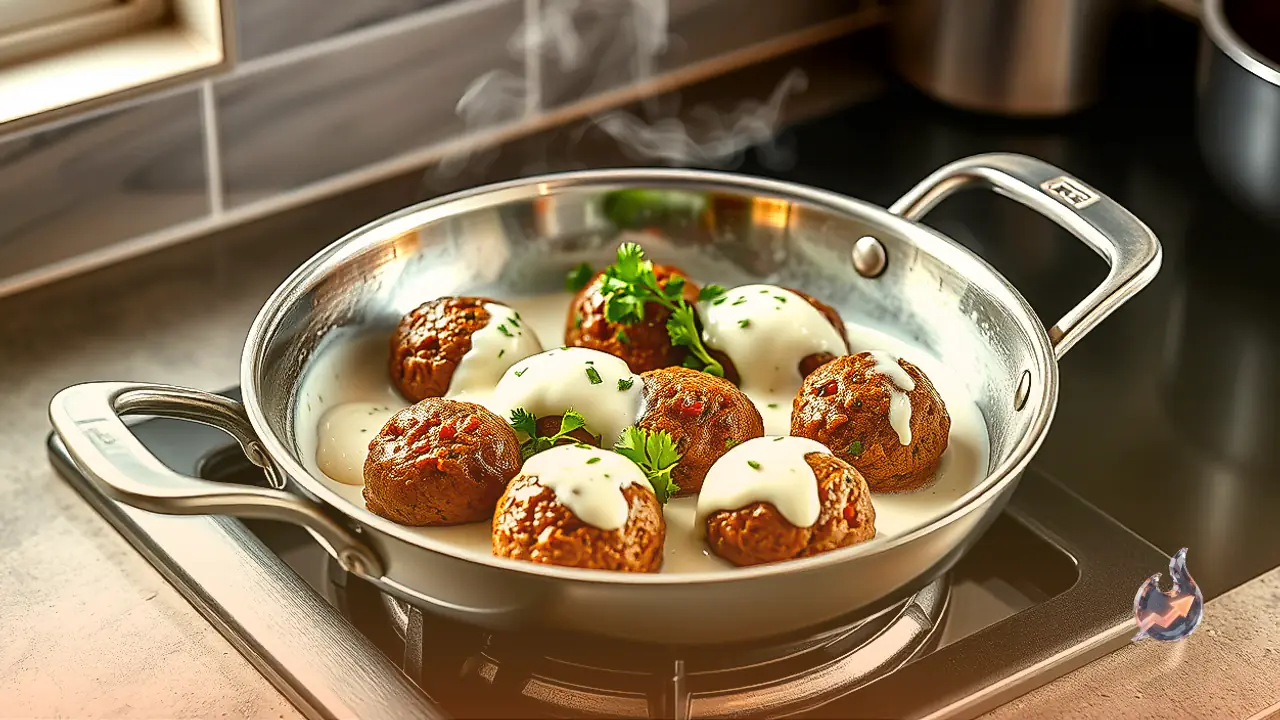
Heat a tablespoon of olive oil in a large non-stick skillet over medium-high heat. Working quickly, pinch off irregular 2.5 cm (1 inch) chunks of the seasoned meat mixture and drop them directly onto the hot surface. Resist any urge to roll or smooth them into uniform meatballs. The pan will look crowded, but the meat will shrink as it renders fat and water.
Allow the beef to cook completely undisturbed for 5 to 7 minutes. Moisture may initially bubble up from the crowded meat, but it will quickly evaporate, allowing the undersides to develop a deep, dark golden-brown sear. If your stove burner has hot spots, gently rotate or reposition the skillet to ensure even caramelization across all pieces.
Step 4: Incorporating the Fruit and Nuts
Once the bottom crust is firmly established, use a spatula or tongs to flip the chunks over. Precision is not required here, just turn the pieces as best you can to brown the opposite sides. Scatter the hand-crumbled walnuts and dried cranberries over the meat. Let them toast undisturbed for 60 seconds, then gently stir everything together for another minute until the nuts are fragrant and the beef is thoroughly cooked through. Remove the skillet from the heat.
Step 5: Final Seasoning and Presentation
Stir the remaining half teaspoon of salt into the cucumber yogurt mixture. Spread the seasoned sauce generously over the base of a wide serving platter or divide it among individual shallow bowls. Spoon the sizzling, crisp beef chunks along with the toasted walnuts and warm cranberries right over the yogurt. Drizzle a tablespoon of pomegranate molasses and a ribbon of extra virgin olive oil over the top. Scatter the remaining fresh mint across the platter and serve immediately alongside warm pita bread.
Versatile Serving Options
This dish adapts effortlessly to a variety of meal formats
- Platter Scooping: Tear off pieces of warm pita bread and use them directly to scoop up mouthfuls of the tangy yogurt sauce and crunchy, spiced beef.
- Stuffed Pita Pockets: Carefully slit open warm pita pockets and pack them generously with the meat, nuts, and cucumber yogurt.
- Street-Food Style Wraps: Spread the yogurt over soft flatbreads, pile on the crispy beef, and roll it up with sliced ripe tomatoes, crisp shredded lettuce, and thinly sliced red onions.
- Grain Bowls: Dish the spiced kofta and yogurt over a bowl of steaming basmati rice, paired with diced cucumber and tomato salad on the side, using the rich yogurt sauce as the dressing.
Complete Nutritional Breakdown
Calculated for four servings (encompassing both the cooked beef mixture and the yogurt sauce), each portion provides: 422 calories, 21 grams of carbohydrates, 31 grams of protein, and 25 grams of total fat. This includes 8 grams of saturated fat, 5 grams of polyunsaturated fat, 10 grams of monounsaturated fat, and 1 gram of trans fat. Micronutrients and minerals include 93 milligrams of cholesterol, 1003 milligrams of sodium, 789 milligrams of potassium, 3 grams of dietary fiber, 14 grams of natural sugars, 731 IU of vitamin A, 5 milligrams of vitamin C, 179 milligrams of calcium, and 4 milligrams of iron.
A Playful Interlude with Jaffle and Charlie
Work in the test kitchen was enlivened by the energetic antics of Jaffle and his canine companion Charlie, who stopped by for a day-long play session. The pair kept everyone, including JB, thoroughly entertained and somewhat distracted with endless wrestling matches. Jaffle repeatedly demonstrated his favorite maneuver, playfully pinning Charlie to the floor using his body weight. Their romping shifted an entire coffee table clear across the room, filling the space with relentless panting, thundering paws, and happy squeaks until they finally collapsed into quiet exhaustion.