




















Many people often blame the poor quality of flour when their rotis turn out stiff and hard. However, the real culprit is usually small mistakes made during the process of kneading the dough and cooking the flatbreads. Incorrect water proportions, insufficient kneading time, or an improper griddle temperature can easily ruin the texture of your rotis. By understanding the correct approach, achieving soft and pliable rotis at home becomes a very simple task.
Use Lukewarm Water and Knead Thoroughly
The journey to making soft rotis begins with using lukewarm water while kneading the dough. This helps the flour absorb moisture efficiently and makes the entire process much smoother. Instead of pouring all the water at once, add it gradually in small amounts. Knead the dough continuously for about 8 to 10 minutes so that it becomes completely smooth and pliable. Make sure that the final dough is neither overly stiff nor excessively sticky.
Allow the Dough to Rest Properly
Jumping straight into rolling rotis right after kneading is a common mistake to avoid. Instead, let the dough rest covered for 20 to 30 minutes before use. Before covering it, apply a small amount of oil or ghee on the surface and cover it with a damp cotton cloth or a fitted lid. This resting period allows the flour to soak up the moisture thoroughly, making the rolling process effortless and preventing dryness.
Minimize Dry Flour and Maintain Even Thickness
Using an excessive amount of dry flour while rolling out rotis can make their texture dry and rough after cooking. Therefore, use only as much dry flour as strictly necessary. Roll the flatbread gently using light hand pressure, ensuring an even thickness across the entire surface. Keeping the edges uniform helps the roti cook evenly and allows it to puff up nicely on the heat.
Manage Griddle Temperature and Flip Correctly
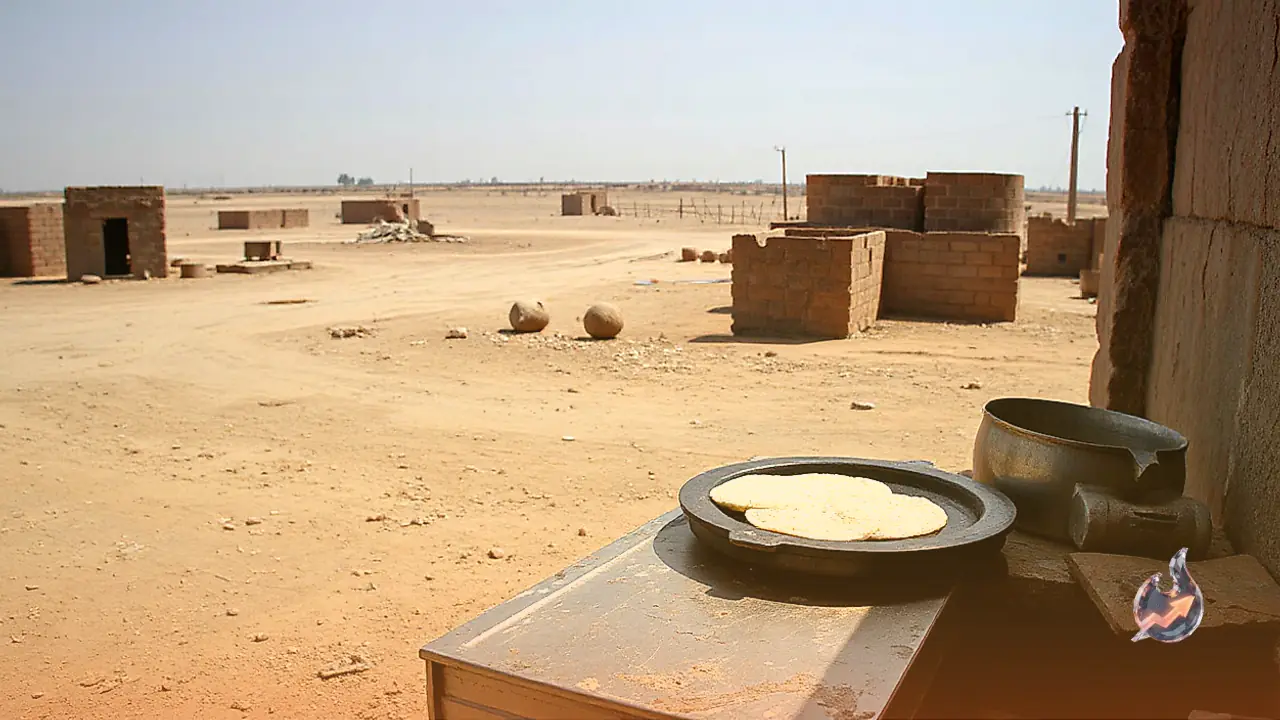
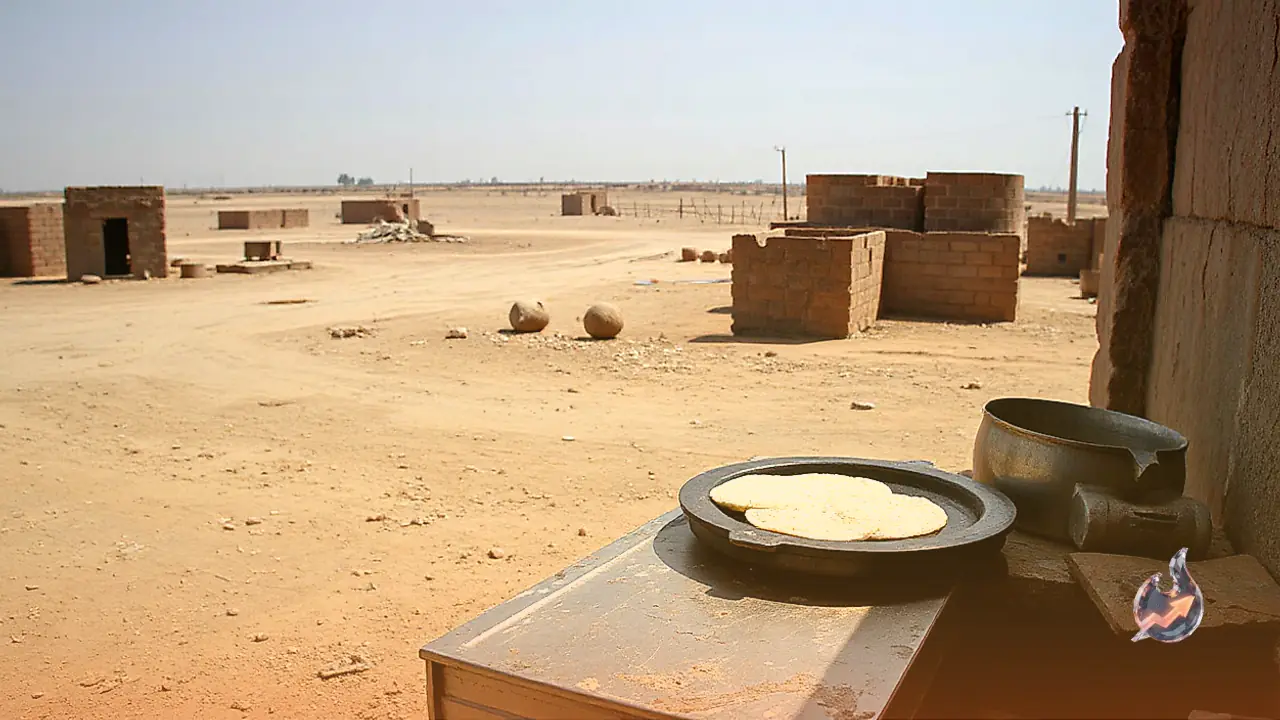
The temperature of the griddle plays a crucial role in how the roti turns out. The griddle should neither be freezing cold nor smoking hot. Heat it properly on a medium or medium-high flame before placing the rolled flatbread on it. Once small bubbles begin to appear on the upper surface of the roti, flip it over. Cook the other side until light brown spots appear, and avoid the habit of flipping it back and forth repeatedly.
Store in an Insulated Casserole and Add Ghee
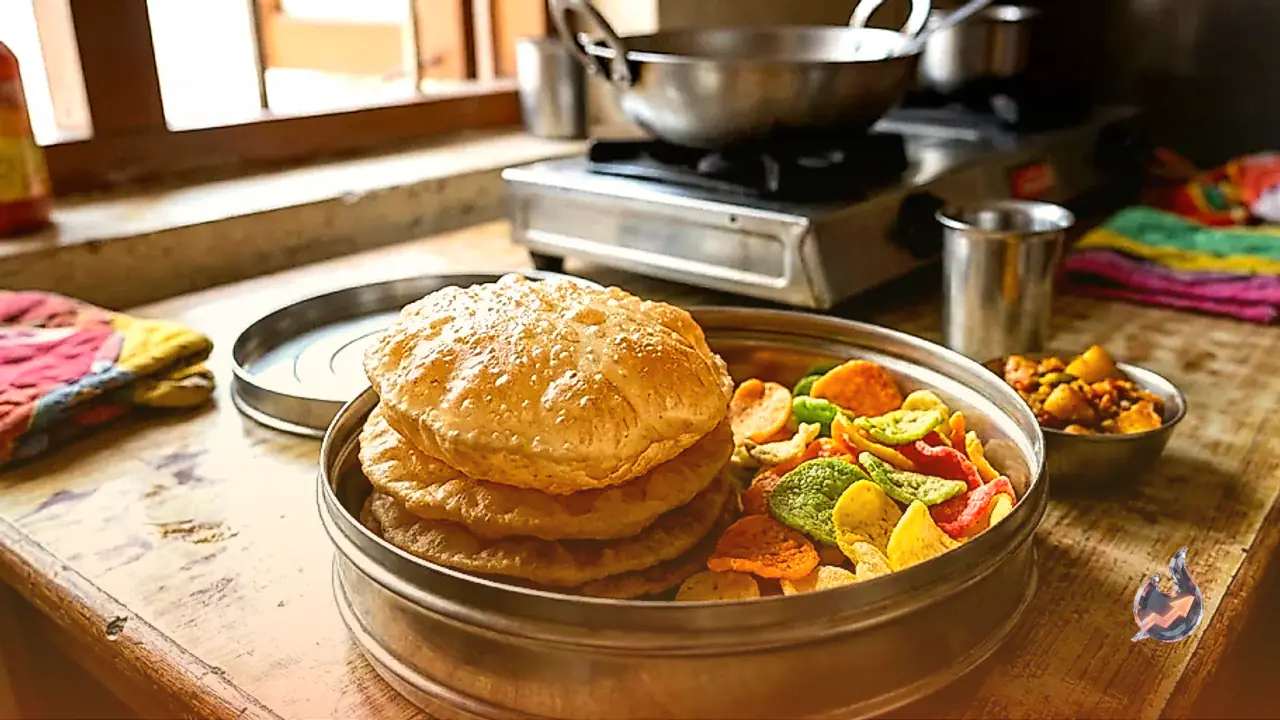
Never leave freshly cooked rotis exposed on an open plate. Immediately transfer them into a lid-covered insulated casserole lined with a clean cotton cloth at the bottom. This preserves the natural moisture inside the rotis and prevents them from hardening quickly. Additionally, you can apply a light brush of ghee on the cooked roti to enhance its flavor and make it feel even softer on the palate. However, mastering the correct kneading and cooking techniques remains the most vital step in keeping rotis soft.