






















Making poories that turn out rigid, chewy, or flat is a common frustration in home cooking. Achieving that desirable texture where the poori puffs up fully like a balloon while remaining tender and soft inside depends entirely on mastering a few fundamental steps. From the way the wheat flour is hydrated to the exact temperature of the frying oil, each small adjustment contributes directly to the final result.
Balancing Dough Firmness and Adding the Right Amount of Fat
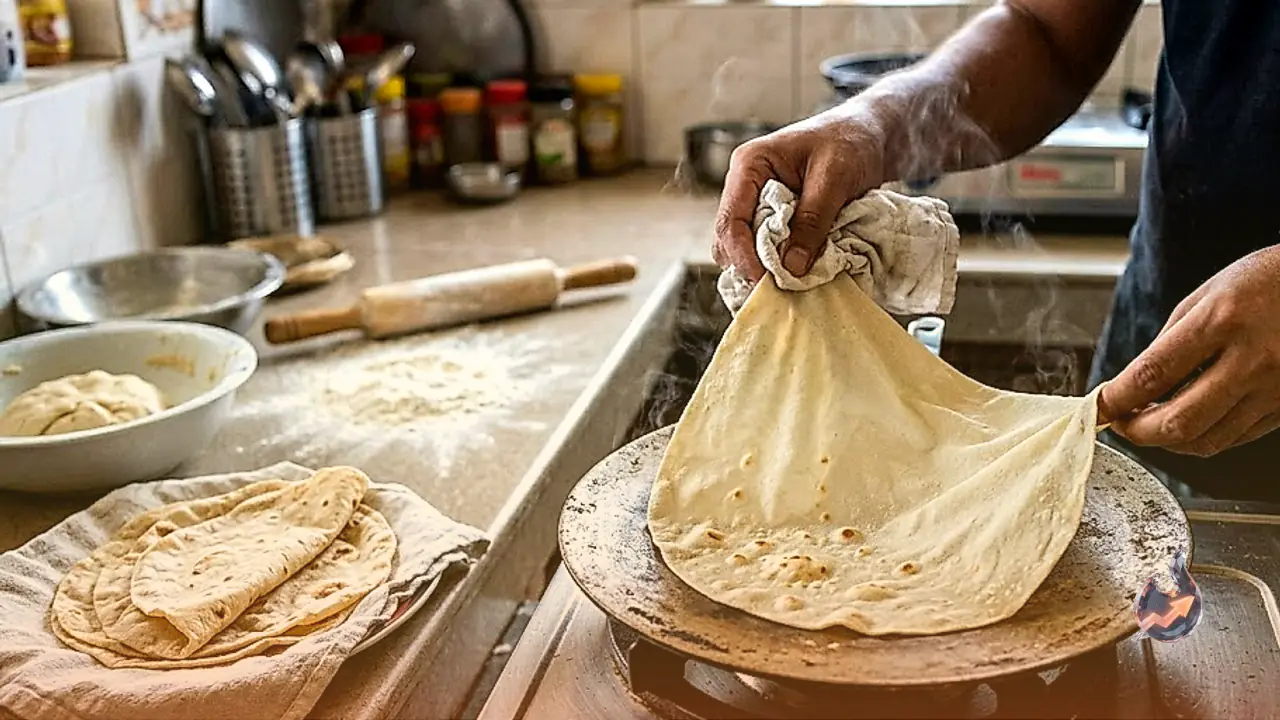
The primary culprit behind tough, hard poories is often an excessively stiff dough. While poori dough is intentionally kneaded firmer than everyday roti dough, it must never be so dry that rolling it becomes a struggle or leads to cracked edges. When kneading, add water gradually in small splashes rather than pouring it all in at once. This measured approach ensures even moisture distribution, making the dough smooth, cohesive, and easy to shape.
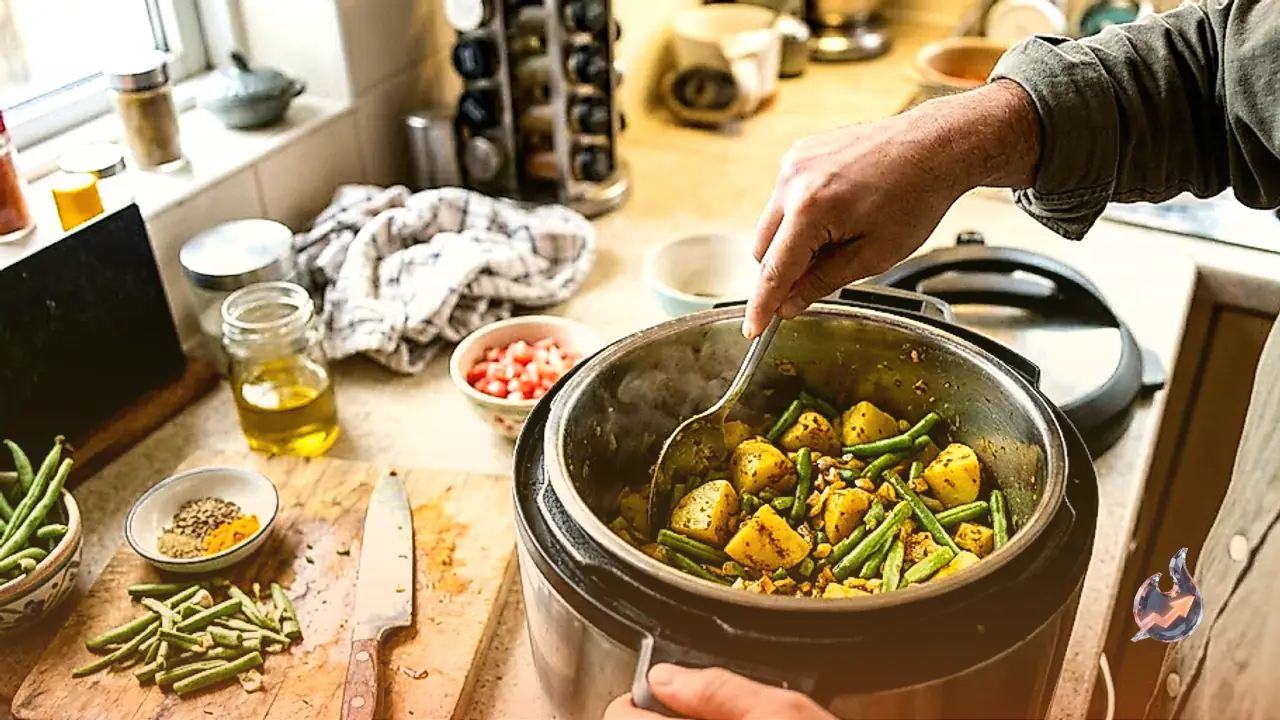
Incorporating a modest amount of fat is essential for a soft crumb. For approximately 2 cups of whole wheat flour, mix in 1 to 2 teaspoons of cooking oil or ghee. Rub this fat thoroughly into the dry flour with your fingers before introducing any water, ensuring the shortening coats the flour evenly. Then, knead with just enough water to bring it together into a smooth ball. Be careful not to exceed this fat measurement, as excess oil can compromise the dough structure and make it overly fragile.
Proper Resting Duration and Uniform Rolling Technique
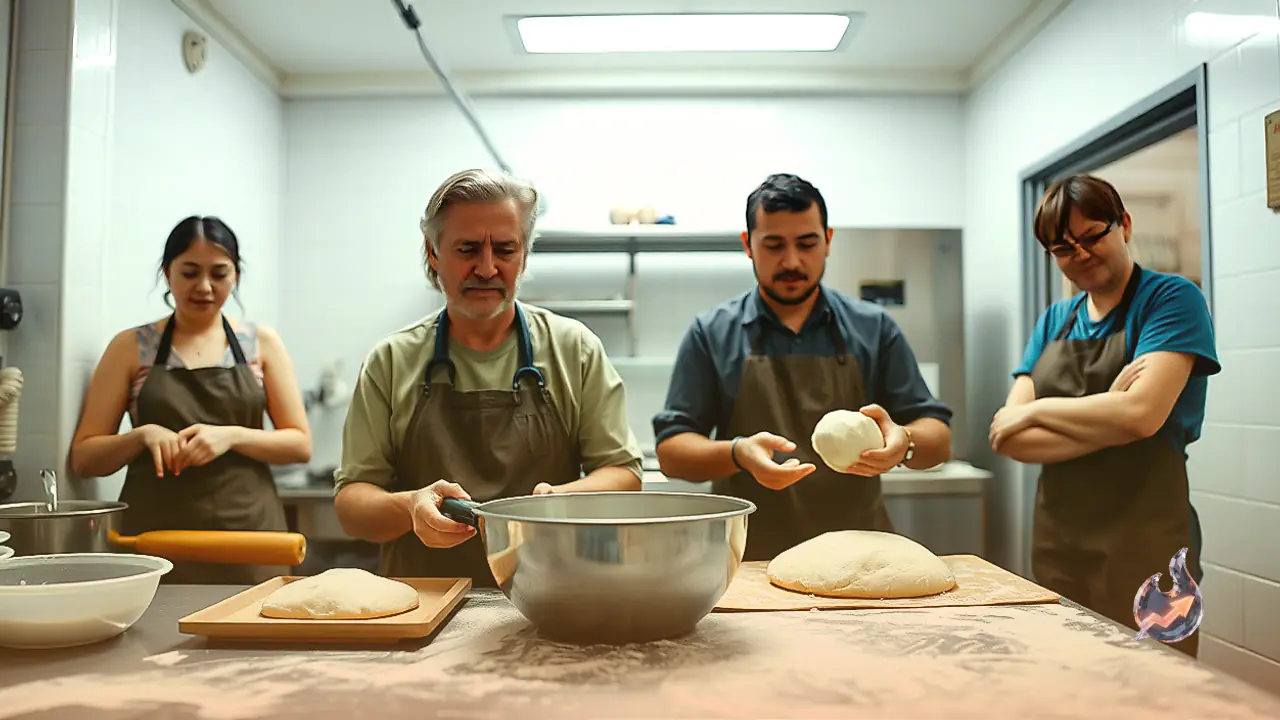
Once the dough is kneaded, giving it a brief rest makes a significant difference. Cover the dough and let it sit undisturbed for 10 to 15 minutes. This short window allows the gluten network to relax and the hydration to spread evenly throughout the mixture, making the portions far easier to roll out smoothly. Unlike roti dough, however, poori dough does not need prolonged resting. If the dough feels overly dry while kneading, adjust its consistency right away by working in a few drops of water.
When rolling out the dough portions, maintaining an even thickness is critical. A poori should be neither excessively thick nor paper-thin. Inconsistent thickness, where one edge is dense and the center is thin, prevents steam from building up uniformly, resulting in unevenly puffed or completely flat poories. Aim for a balanced, uniform circle every time. Furthermore, minimize the use of dry dusting flour during rolling. Loose flour particles detach in hot oil, burn at the bottom of the pan, and ruin both the oil quality and the flavor of subsequent batches.
Managing Oil Temperature and Frying Correctly
Improper oil heat is the single biggest reason poories fail to rise. If the oil is not hot enough, the dough sinks, absorbs an excessive amount of grease, and turns heavy rather than airy. On the other hand, scorching oil browns the exterior within seconds while leaving the inner layer undercooked. Keep the stove set to medium-high heat so the oil achieves a steady, reliable frying temperature.
To test whether the oil is ready, drop a tiny piece of dough into the pan. If the dough rises smoothly to the surface and begins frying without burning, the temperature is ideal. When placing a poori into the hot oil, gently press down on its surface using a slotted spoon or skimmer. This light downward pressure traps internal steam and prompts the poori to expand fully. Once puffed, flip it over immediately and fry the reverse side until it turns a delicate golden shade. Avoid crowding the pan with multiple poories at once, as doing so drops the oil temperature rapidly and ruins the rise.