



















Preparations are underway in the French capital for an expansive international food exhibition designed to connect agricultural producers with global commercial networks. This trade event gained broader public attention following developments surrounding the proposed travel of Punjab Chief Minister Bhagwant Mann, who did not receive political clearance for his trip to France. The planned visit was tied directly to the prestigious global exhibition, where Punjab's apex cooperative entity Markfed is scheduled to set up a dedicated pavilion. The strategic objective behind the cooperative's presence is to explore international export avenues for Punjab's agricultural output and processed food goods. Elevating the profile of the upcoming trade convention, India will participate as the official partner country.
Understanding the Scope and Business Nature of the Exhibition
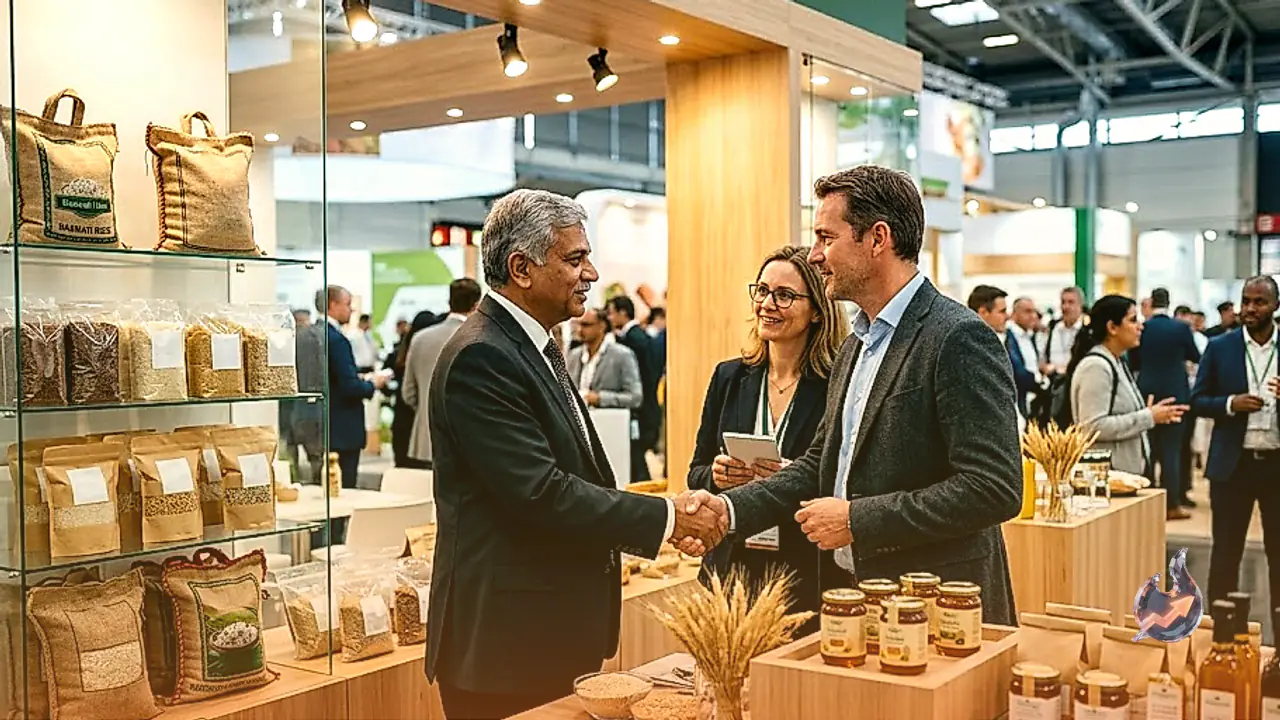
SIAL Paris stands as one of the preeminent international business gatherings for the global food industry. The 2026 edition of the event is scheduled to take place from October 17 to October 21 at the Paris Nord Villepinte exhibition centre. Unlike casual consumer-facing weekend food carnivals, this convention operates entirely as a business-to-business platform. It convenes food processing enterprises, raw commodity producers, export houses, tech-driven food startups, and professional institutional buyers from across continents. The exhibits span far beyond prepared cuisine, encompassing unprocessed agricultural commodities, packaged goods, certified organic merchandise, beverages, and state-of-the-art processing technologies. For corporate and cooperative participants alike, the gathering offers an unmatched venue to negotiate cross-border supply chains and forge distribution partnerships.
Institutional Framework of the Indian Pavilion
According to information outlined on the official portal of SIAL Paris, India has secured the partner country designation for the 2026 gathering. The execution and orchestration of the overarching Indian presence are being spearheaded jointly by the India Trade Promotion Organisation and the Agricultural and Processed Food Products Export Development Authority. Under their collective administration, the country's presentation is structured to reflect both longstanding agrarian heritage and modern processed food industries. This comprehensive initiative brings traditional staple commodities alongside fast-growing enterprise-led innovations and food processing startups onto a single international stage, giving overseas distributors direct access to varied segments of the Indian food economy.
Segmented Product Zones Across Dedicated Exhibition Halls
The organizers have demarcated distinct exhibition halls to accommodate the varied segments making up the Indian delegation, ensuring visiting trade professionals can navigate target product groups efficiently.
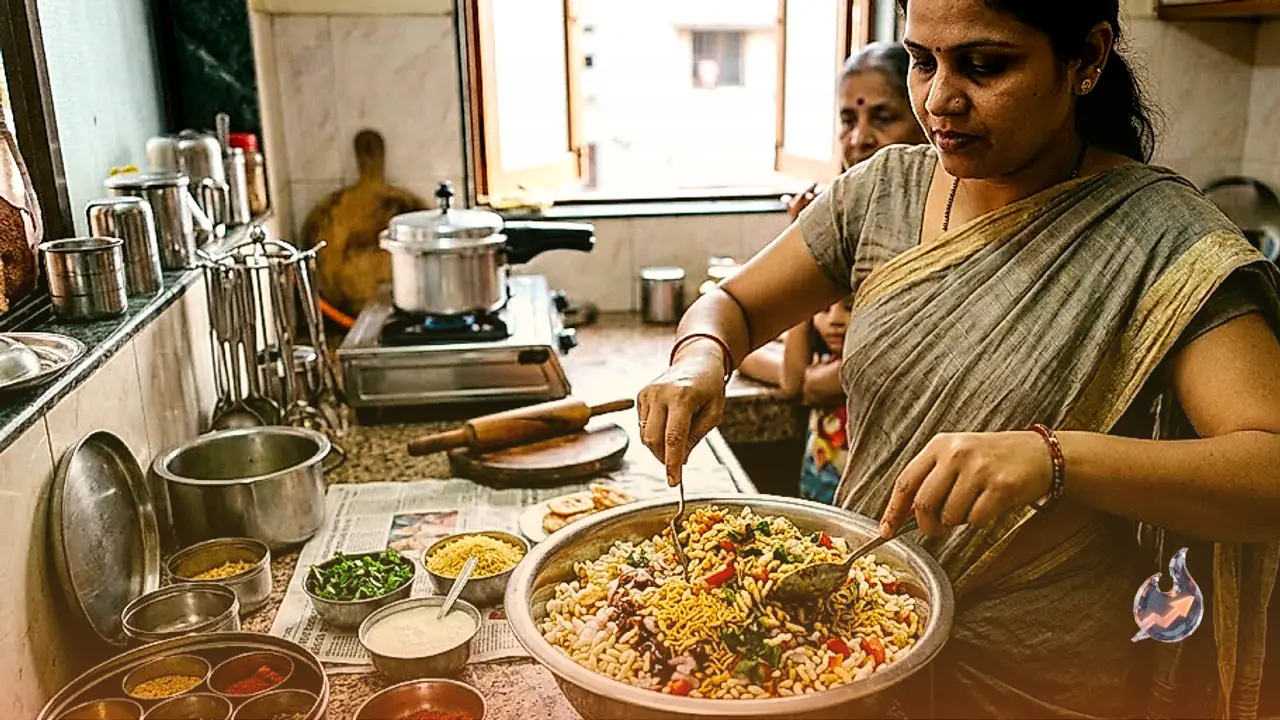
- Hall 3 for Savory Snacks and Packaged Items: This hall is designated for India's packaged savory snacks, namkeen varieties, and seasoned convenience foods, serving high global retail interest.
- Hall 5A for Emerging Startups: Dedicated space in Hall 5A provides budding food-tech entrepreneurs and emerging enterprises a platform to pitch new product concepts and supply solutions.
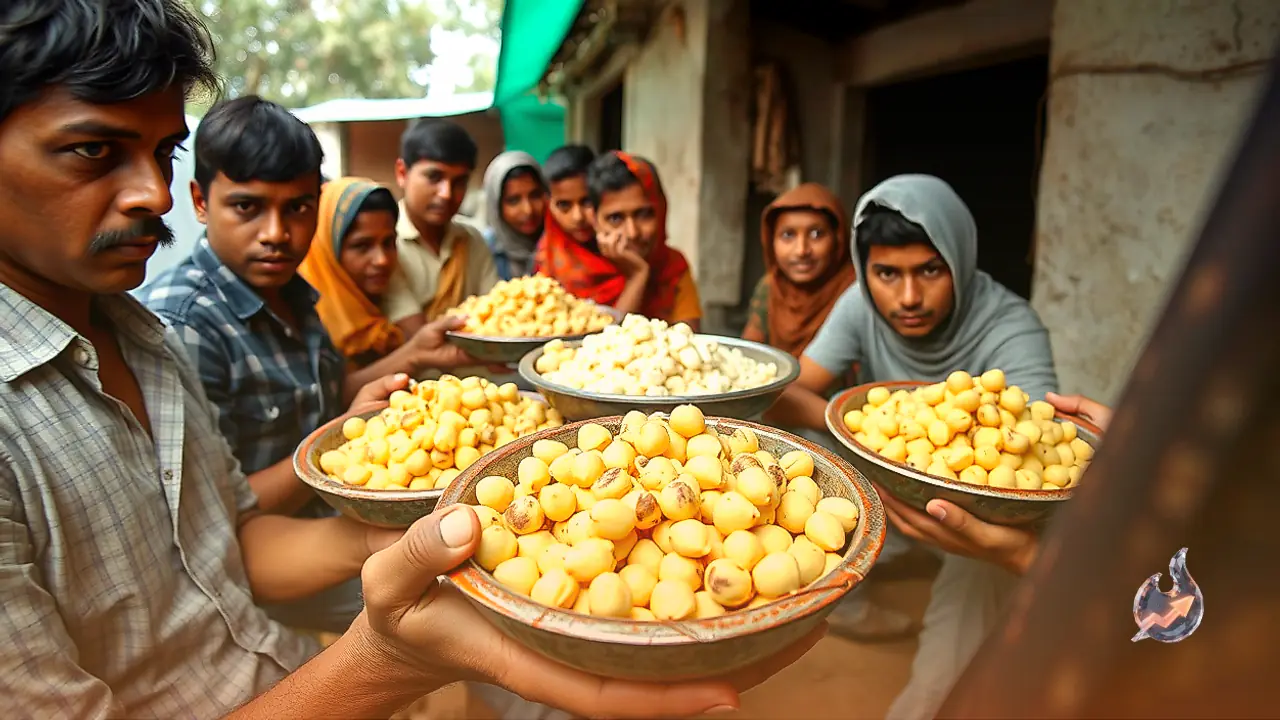
- Hall 7 for Certified Organic Produce: Organic and sustainably sourced agricultural goods are concentrated in Hall 7, giving Indian organic producers direct interaction with European and worldwide commercial buyers.
- Hall 8 for Grains, Fruits, and Fresh Vegetables: This sector houses bulk agricultural staples, diverse food grains, and fresh horticultural produce from different growing regions.
- Bistro by India: To offer trade delegates authentic experiential exposure to Indian culinary traditions, the curated concept Bistro by India will function as an integral feature of the exhibition footprint.
Product Profiles Slated for Overseas Trade Buyers
Rather than limiting its display to an individual state or a narrow spectrum of regional dishes, the Indian pavilion is structured around comprehensive industry categories. Cereal crops, grain-based value-added products, and nutritious millets such as sorghum, pearl millet, and finger millet are positioned to highlight the nation's diverse agricultural capabilities. Nonetheless, the precise presence of individual branded items will depend on separate official verifications closer to the date.
Furthermore, established packaged snack lines, certified organic goods, and horticultural exports will form core commercial attractions. While the event documentation delineates these broader categories, it does not certify the presence of specific cooked menu items. Consequently, attributing the definitive availability of popular street foods like samosas, chole bhature, or biryani remains premature until an official itemized catering schedule is issued by the organizing committee.
Market Expansion Horizons for Punjab's Markfed Pavilion
Reports confirm that Markfed, the leading cooperative agency of Punjab, will represent the northern state with its own specialized stall. Punjab holds a long-established domestic reputation for agricultural abundance and value-added food processing. Engaging with a global platform of this scale gives state growers, cooperative networks, and agro-processors direct commercial access to international buyers seeking dependable agricultural supply lines. Although the precise inventory of items slated for display at the Markfed counter has not been publicly released, the engagement provides a structured pathway to present Punjab's agricultural produce to international markets and build long-term export relationships.