





















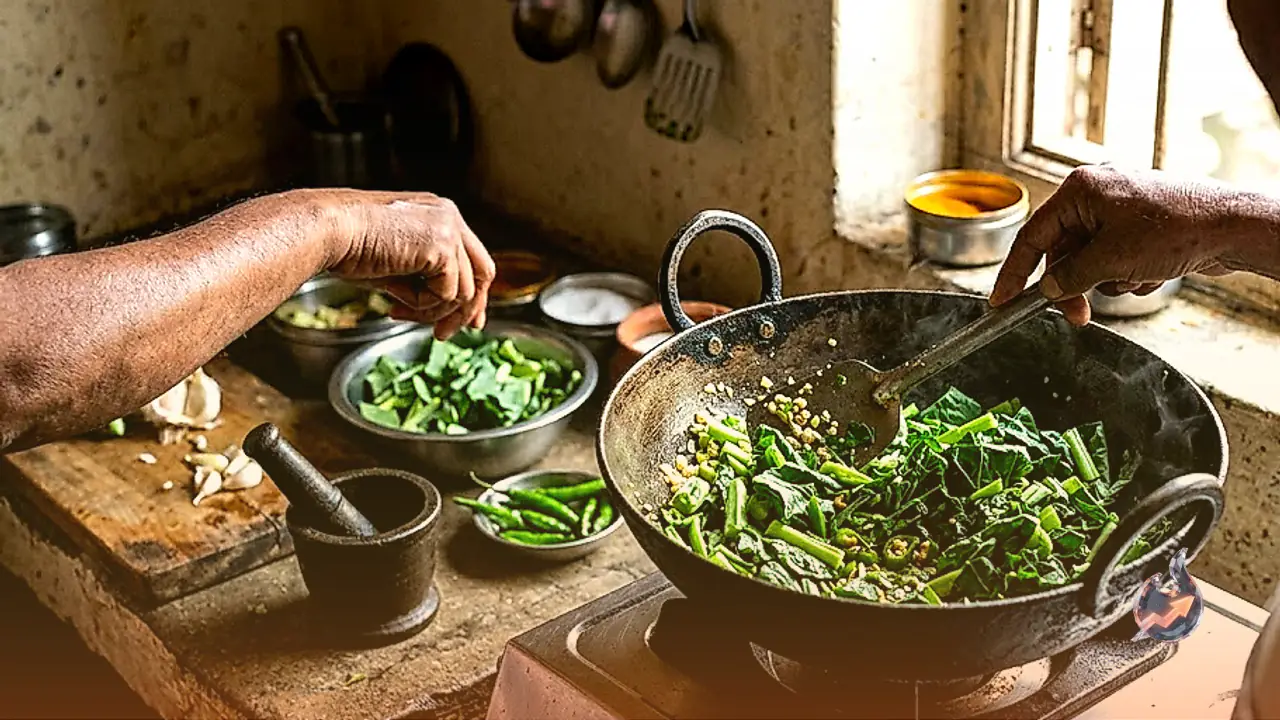

With the arrival of winter, the market demand for fresh leafy greens rises substantially across the Terai belt of Uttar Pradesh, including Lakhimpur Kheri. Local bazaars are filled with seasonal produce such as cauliflower, spinach, mustard greens, bathua, and fenugreek. While cauliflower florets are universally popular in households for making curries and dry vegetable preparations, the dense outer green leaves surrounding the vegetable are routinely tossed into the trash as unpalatable kitchen waste. With the right cooking technique, however, these neglected fresh leaves can easily be transformed into a rich and savoury rustic saag.
Essential Cleaning and Preparation Steps
Preparing saag from cauliflower foliage requires very few pantry ingredients. The recipe relies entirely on basic kitchen spices, chopped garlic cloves, green chilies, and a small measure of cooking oil. However, meticulous cleaning prior to cooking is critical to ensure both hygiene and taste. Because these outer leaves remain directly exposed to outdoor soil, agricultural dust, and field insects, every leaf must be thoroughly inspected. Start by trimming away any yellowed, bruised, wilted, or decaying sections. Following that, wash the leaves repeatedly under running clean water to rinse off all residual grit and impurities.
Trimming Tough Stems and Slicing Technique
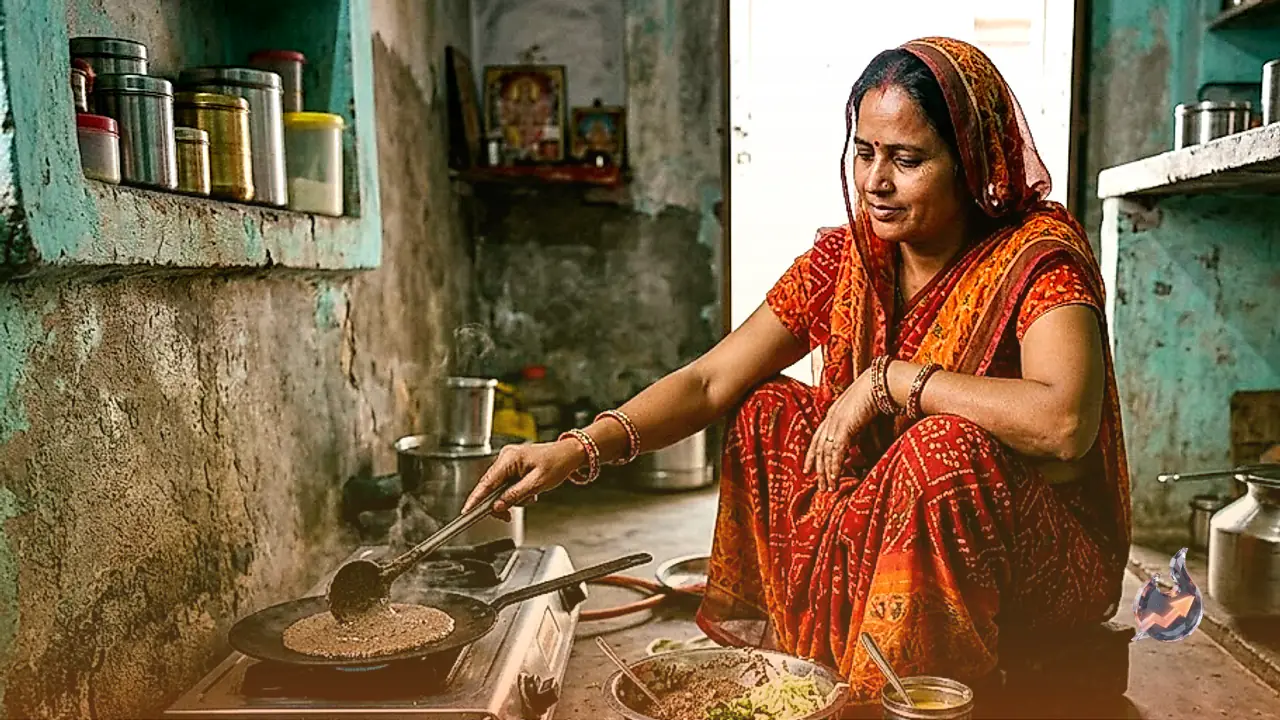
Home cook Prachi explains that whenever she purchases fresh cauliflower from the market, she sets aside the healthy outer foliage immediately after using the florets to prepare this green dish. In her experience, the final texture and taste of the saag depend heavily on careful sorting and trimming. Each leaf should be individually checked so that insect damage or decayed spots can be cut away with a paring knife. Once thoroughly washed, the leaves should rest in a colander for a short while so all excess moisture drains away completely. The greens are then cut into fine shreds. If the central leaf ribs and stalks are excessively thick, fibrous, or tough, they should be sliced out and discarded because they do not soften easily during brief pan cooking.
Stove Cooking With Mustard Oil and Garlic Tempering
To cook the saag using the traditional method, place a heavy pan or kadhai over a medium flame and pour in one to two tablespoons of pure mustard oil. Allow the oil to heat properly until light vapour rises, which tempers the pungency of the mustard. Next, add finely chopped fresh garlic and chopped green chilies, sauteing them for just a few seconds until aromatic and lightly golden. Immediately introduce the finely shredded cauliflower leaves into the hot pan.
After a brief toss in the tempered oil, the greens will begin releasing their natural moisture. At this stage, place a lid over the kadhai and let the greens simmer on low to medium heat for approximately 8 to 12 minutes. It is vital to remove the cover periodically and stir the mixture with a spatula to prevent the greens from scorching or sticking to the bottom of the pan. Once the leaves turn completely tender and the released water has evaporated into a dry consistency, take the pan off the heat.
Serving Suggestions and Everyday Food Culture
This freshly prepared rustic cauliflower leaf saag pairs exceptionally well with hot rotis brushed with ghee. It also serves as a hearty side dish alongside stuffed parathas, plain steamed rice, or classic dal-chawal combinations. Across rural communities, incorporating diverse seasonal greens into everyday meals remains a cherished culinary practice. Rather than discarding fresh cauliflower leaves as useless kitchen scraps, turning them into this quick and wholesome dish provides an economical and tasty way to enjoy winter produce.