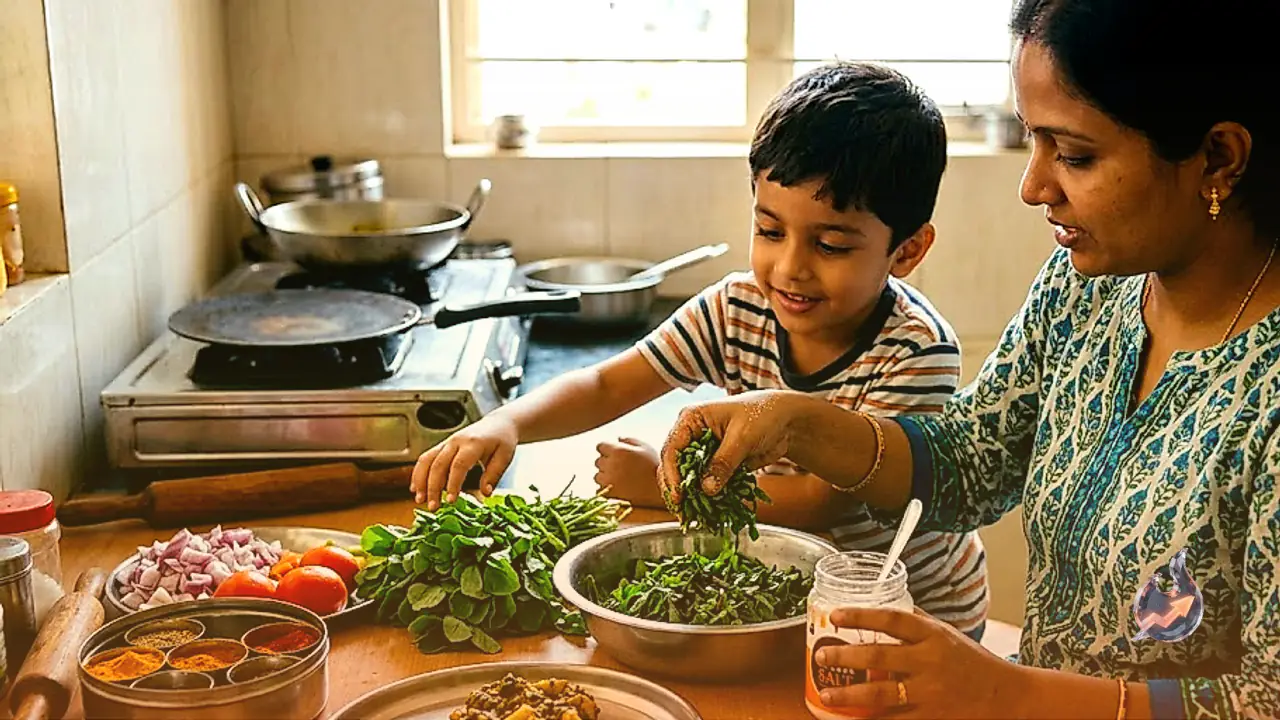






















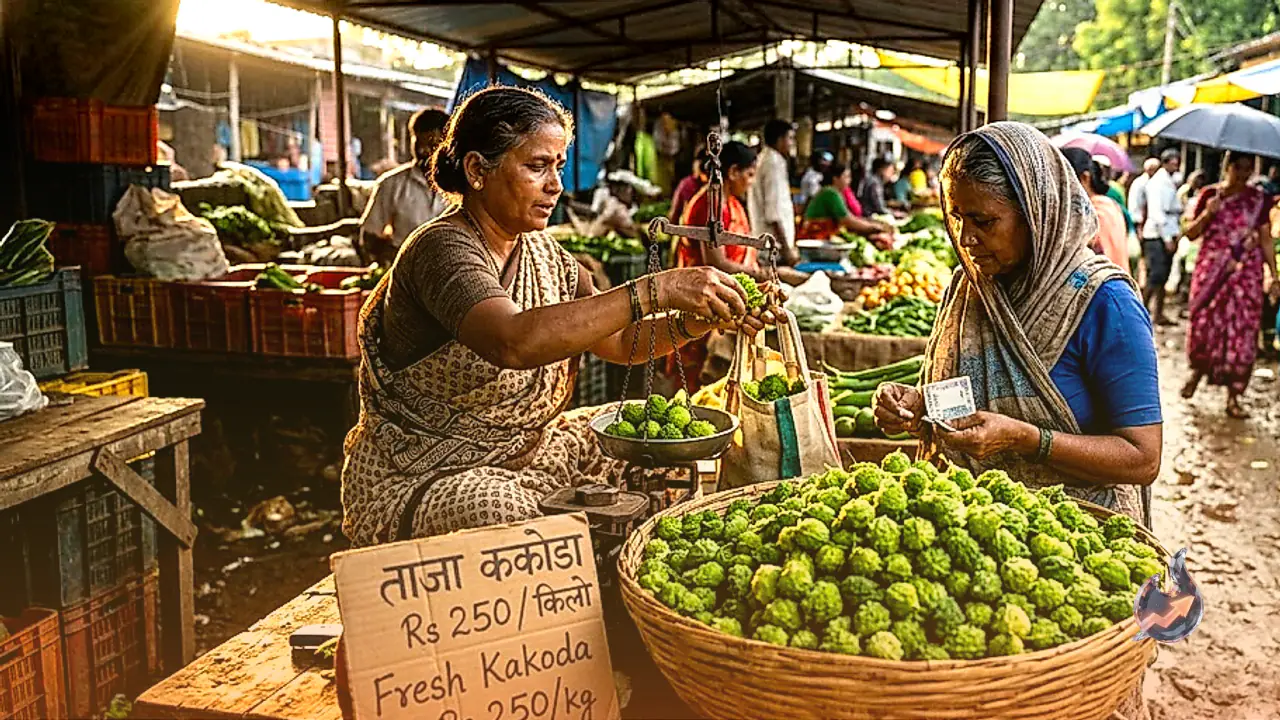

The moment the monsoon rains arrive, a wild green makes a brief but eagerly awaited appearance in vegetable markets: kakoda. In some regions it is also known as kakora. It is not grown by farmers in cultivated fields, nor does it need fertiliser or irrigation. Instead, this vegetable sprouts on its own in dense forests and hilly terrain, and its distinct taste combined with its short season makes it one of the most talked about vegetables of the monsoon.
A season that lasts barely six weeks
What sets kakoda apart is that it simply does not show up in markets for most of the year. Once the rains begin, it is available for only about one to one and a half months. Because the window is so short, buyers rush to grab it the moment it appears, and demand shoots up almost overnight. Being both scarce and rich in nutrients keeps it in steady demand throughout its brief run.
It looks like bitter gourd, but it does not taste like one
At first glance, kakoda resembles a small bitter gourd, so newcomers often mistake it for one. But unlike bitter gourd, it carries none of that sharp bitterness. That is precisely why it finds fans across age groups, from children to the elderly. Its unusual flavour, soft texture and nutritional value together make it one of the most sought-after vegetables of the rainy season.
Mostly forest-foraged, which keeps prices high
Local vegetable traders say kakoda grows naturally in forests, and very little of it is deliberately cultivated. Most of what reaches the market is foraged from the wild rather than grown on farms. That limited, seasonal supply is why it costs noticeably more than everyday vegetables, yet buyers continue to seek it out for its taste and health benefits. At the start of the season, kakoda sells for anywhere between Rs 200 and Rs 250 a kilo. Even towards the end of the season, prices rarely drop below Rs 60 to Rs 80 a kilo.
A source of iron, protein and fibre
Ayurvedic physician Dr. Om Prakash Bhardwaj says kakoda is rich in iron, protein, fibre and several essential vitamins. Eating it regularly supplies the body with nutrients it needs. During the monsoon, when the risk of seasonal illness typically rises, nutrient-dense vegetables like this help the body stay resilient from within, which is why it is considered a particularly beneficial vegetable during the rains, both for its taste and for its nutritional value.
Said to help everything from piles to blood sugar
According to Dr. Bhardwaj, eating kakoda regularly and in moderate amounts is believed to help ease physical weakness, keep the digestive system in good shape and strengthen immunity. In Ayurveda, it is also considered useful for piles, jaundice and skin-related problems, as well as for keeping blood sugar levels under control. In Ayurveda, seasonal vegetables are generally seen as helpful for the body to adjust to changing weather, which is one reason kakoda is regarded as a signature vegetable of the rains. He adds, however, that anyone dealing with an existing health condition should use it only after consulting a doctor.