






















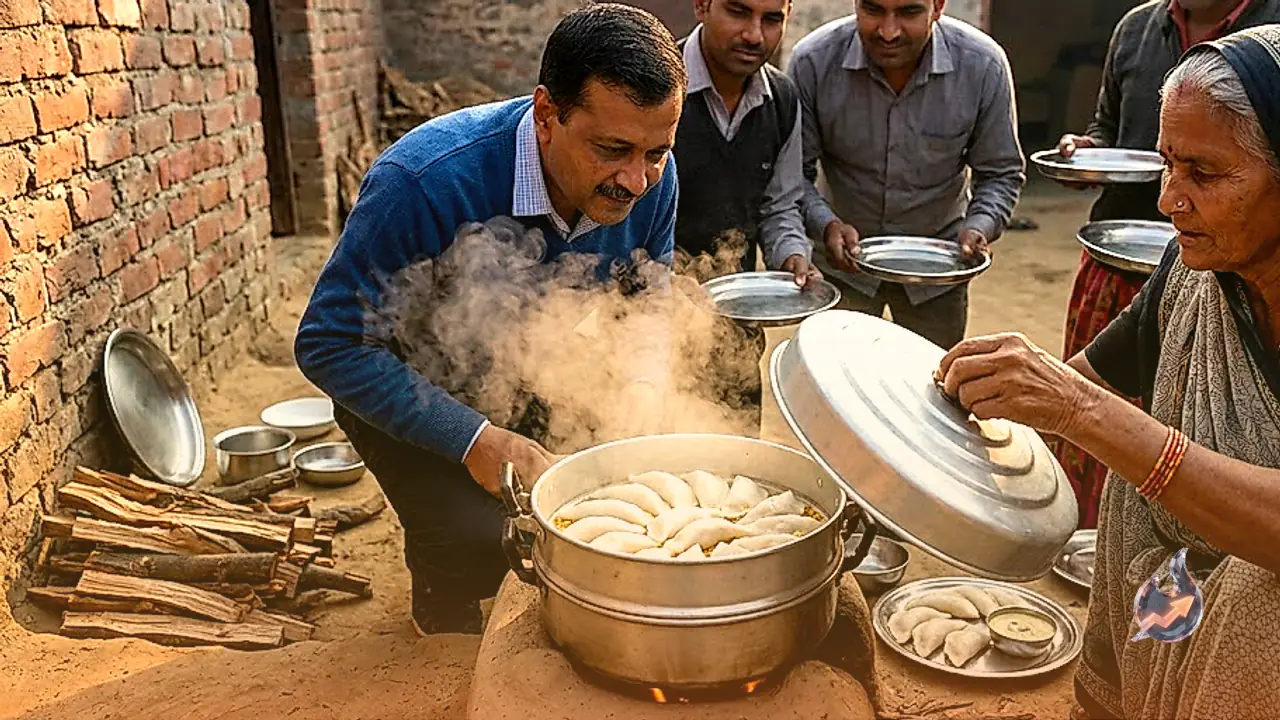

A steamed snack from Madhya Pradesh's Baghelkhand region is finding its way back into kitchens as more people try to balance taste with health in their daily meals. Baghelkhand's Fara looks like a plain, humble dish, but its tangy, well-spiced flavour sets it apart from ordinary breakfast fare. The biggest draw is that it is never fried in oil, it is cooked entirely by steaming, which makes it a solid choice for anyone trying to cut down on deep-fried food.
Why it's called momos' bigger cousin
Fara's shape and preparation method closely resemble momos, which is why locals often refer to it as a larger, heartier version of the dumpling. According to Priyanka Singh, a cook from Sidhi, the dish is made by stuffing a rice-flour dough with a chana dal filling, and very little oil goes into the process, which keeps it light on the stomach. That is also why, beyond Baghelkhand, several parts of Uttar Pradesh serve it as a morning breakfast or a light dinner option that people genuinely look forward to.
From kneading the dough to preparing the filling
Making Fara starts with rice flour. Salt is added to taste, and the flour is kneaded into a slightly stiff dough using lukewarm water, then left covered for about 15 minutes to rest and firm up. Meanwhile, chana dal that has been soaked beforehand is coarsely ground for the filling. Ginger-garlic paste, green chillies, cumin and salt are mixed in, along with finely chopped coriander leaves, to create an aromatic stuffing. Small portions of the rested dough are then rolled out, filled with the dal mixture at the centre, and sealed carefully at the edges so the stuffing doesn't spill out while cooking.
The real magic happens after steaming
Once stuffed, the dumplings are steamed for 15 to 20 minutes, which leaves them soft and lets their flavour fully develop. But the real character of Fara comes from the light tempering it gets afterward. Once steamed, the pieces are placed on a hot tawa with a little mustard oil and cumin seeds, and lightly roasted. This step leaves the Fara slightly crisp on the outside while staying completely soft inside, and it lifts the overall flavour considerably.
What it's served with, and why it fits a healthier lifestyle
Fara is typically served with a green coriander-mint chutney, though many people also pair it with a mildly sweet and tangy tomato chutney. Between its low oil content, nutritious ingredients and simple preparation, Fara has moved well past being just a traditional dish, it is increasingly becoming part of the everyday diet for people who are conscious about their health.