























When everyday dal and sabzi start tasting a little dull, a bowl of tangy chutney is often all it takes to bring the meal back to life. Coriander, tomato and mango chutneys are staples in most Indian kitchens, but chutney made from moringa leaves, known locally as sahjan, is still unfamiliar to many households. What makes it special is that it isn't just flavourful, it is also considered genuinely good for health. Moringa leaves contain protein, calcium, iron, vitamin A, vitamin C, potassium, magnesium and fibre, which is why they have long been used in Ayurveda as well. If you haven't tasted moringa leaf chutney yet, here's the full recipe to make it at home.
Ingredients for moringa leaf chutney
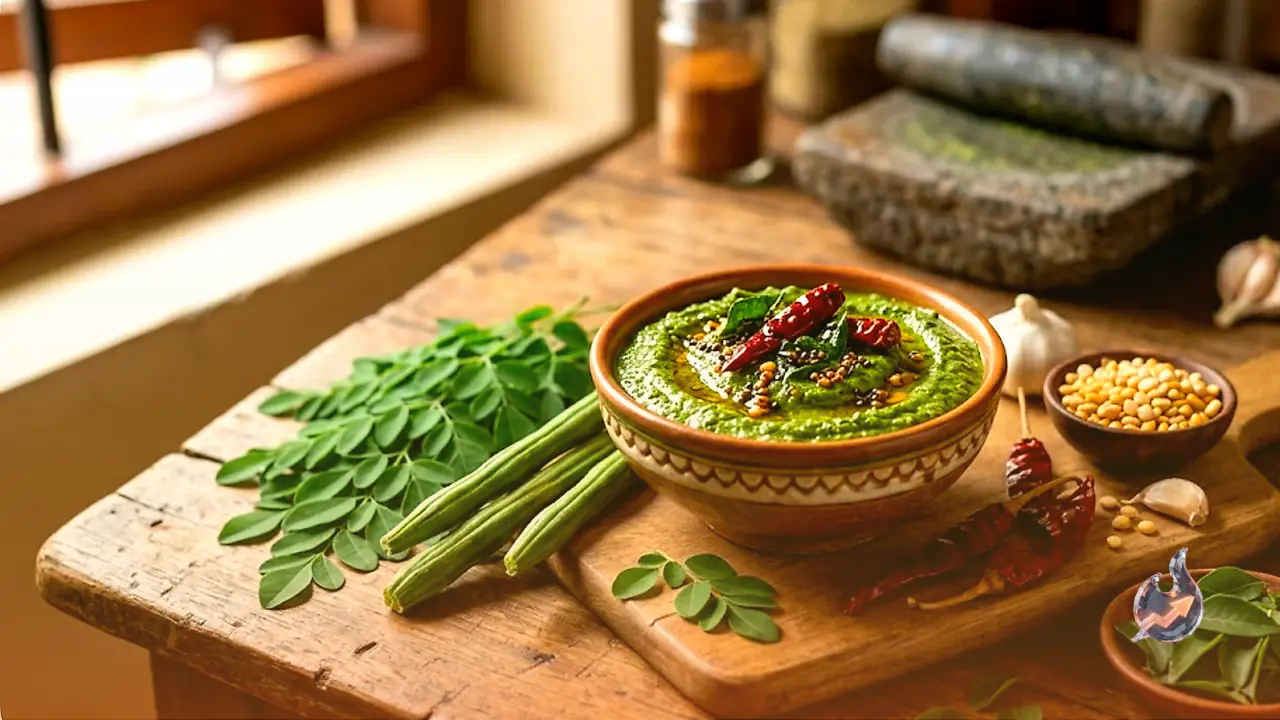
To make this chutney you will need moringa leaves, two teaspoons of mustard oil, half a cup of peanuts, half a cup of grated coconut, one teaspoon of white sesame seeds, one teaspoon of cumin seeds, salt to taste, five to seven garlic cloves and one green chilli. All of these ingredients are commonly found in most kitchens, so there's nothing special you need to source before getting started.
Step-by-step method to make the chutney
The first step is cleaning the moringa leaves. Pluck the leaves off their stems and set them aside, then wash them thoroughly in water to remove any dirt or dust clinging to them.
Next, turn on the stove, place a pan on it and add two teaspoons of mustard oil. Once the oil is hot, add the washed moringa leaves to it. Cook them on low heat, letting them soften completely until they turn tender. Once cooked, take them out of the pan and set them aside in a separate bowl.
In the same pan, add another teaspoon of mustard oil and temper it with cumin seeds. As soon as the cumin starts to crackle, add five to seven garlic cloves and one green chilli. Follow this with the peanuts. Once the peanuts are well roasted, add half a cup of grated coconut, salt and one teaspoon of white sesame seeds, and mix everything together well.
Once all the ingredients are cooked, turn off the gas and transfer everything, including the cooked moringa leaves, into a mixer jar. Grind it to a coarse texture. Do not add any water while grinding, since that would change both the taste and texture of the chutney.
How to store and serve it
Once ground, store the chutney in an airtight container. Stored this way, it stays good for months, saving you the trouble of making it fresh every few days. Serve it as a side dish with rice or roti. Its spicy, tangy flavour not only lifts the taste of a meal but also adds a good dose of nutrition to it.