





















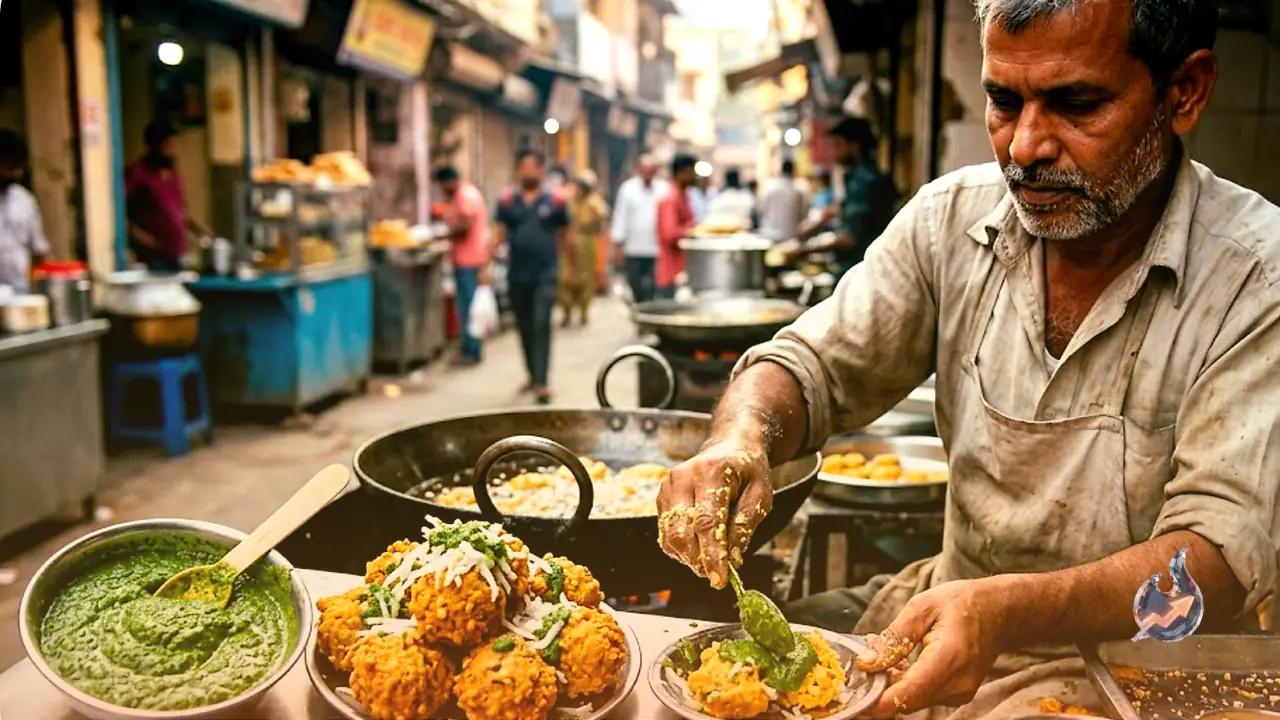

Ask anyone who has walked through Delhi's streets, and there is a good chance they have stopped at a cart selling Ram Laddu. Despite the sweet sounding name, this dish has nothing to do with sugar or dessert. It is a crisp, tangy and spicy street snack, piled high with grated radish, green chutney and a scatter of spices on top. That combination has made it a Delhi favourite for generations, and now, chef Ranveer Brar has shared exactly how to recreate that same crunchy, fluffy, market style Ram Laddu in a home kitchen. For anyone living outside Delhi and craving that specific taste, his method breaks the process down into simple, repeatable steps.
The right lentil mix is the foundation of the batter
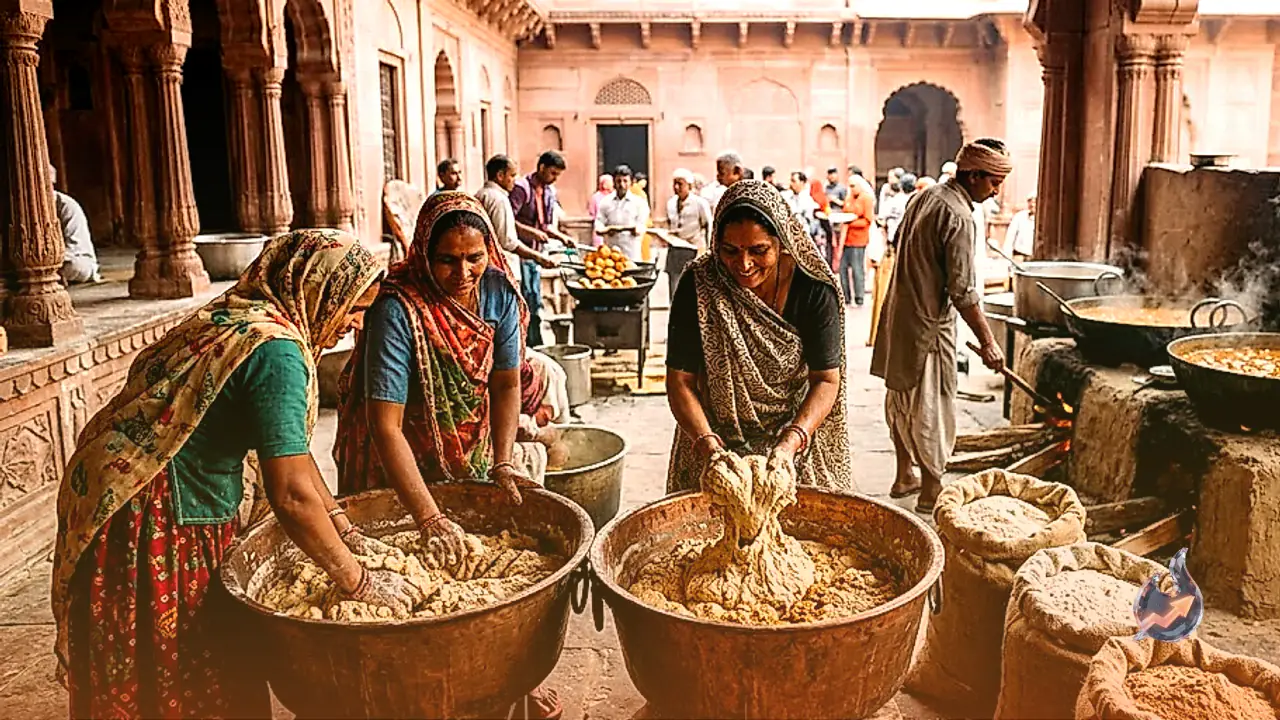
The real character of Ram Laddu comes from its batter, and that batter is built on three lentils, moong dal, urad dal and chana dal. All three need to be washed thoroughly and then soaked in water for 5 to 6 hours, or left overnight. That long soak softens the lentils enough for them to grind down smoothly in a mixer. Chef Ranveer Brar notes that the exact ratio between the three lentils can be adjusted to personal taste, but keeping a slightly higher proportion of moong dal compared to the other two produces a noticeably better flavour. This ratio effectively becomes the base on which the rest of the recipe depends.
Grinding and whisking technique gives the batter its lightness
Once the soaked lentils are drained of water, chopped ginger and green chillies are added before grinding everything together in a mixer. Only a very small amount of water should go in at this stage, since the batter needs to stay thick rather than runny. The mixer should also be run in short bursts rather than continuously, so that neither the machine nor the batter overheats. After grinding, the batter is transferred to a large bowl, seasoned with salt to taste, and whisked vigorously for about 5 to 7 minutes. This whisking step matters more than it might seem, because it works air into the batter, and that trapped air is exactly what makes the fried Ram Laddu turn out light and fluffy instead of dense.
Radish leaf paste is the real secret ingredient
Chef Ranveer Brar is particularly emphatic that skipping the radish leaf paste in the batter changes the outcome entirely, leaving the final result tasting like an ordinary lentil pakora rather than genuine Ram Laddu. To avoid that, fresh radish leaves are ground with a little water into a paste, which is then mixed thoroughly into the prepared batter. This one small addition is what gives Ram Laddu its distinct, recognisable flavour and sets it apart from any other fried lentil snack.
Getting the oil temperature right while frying
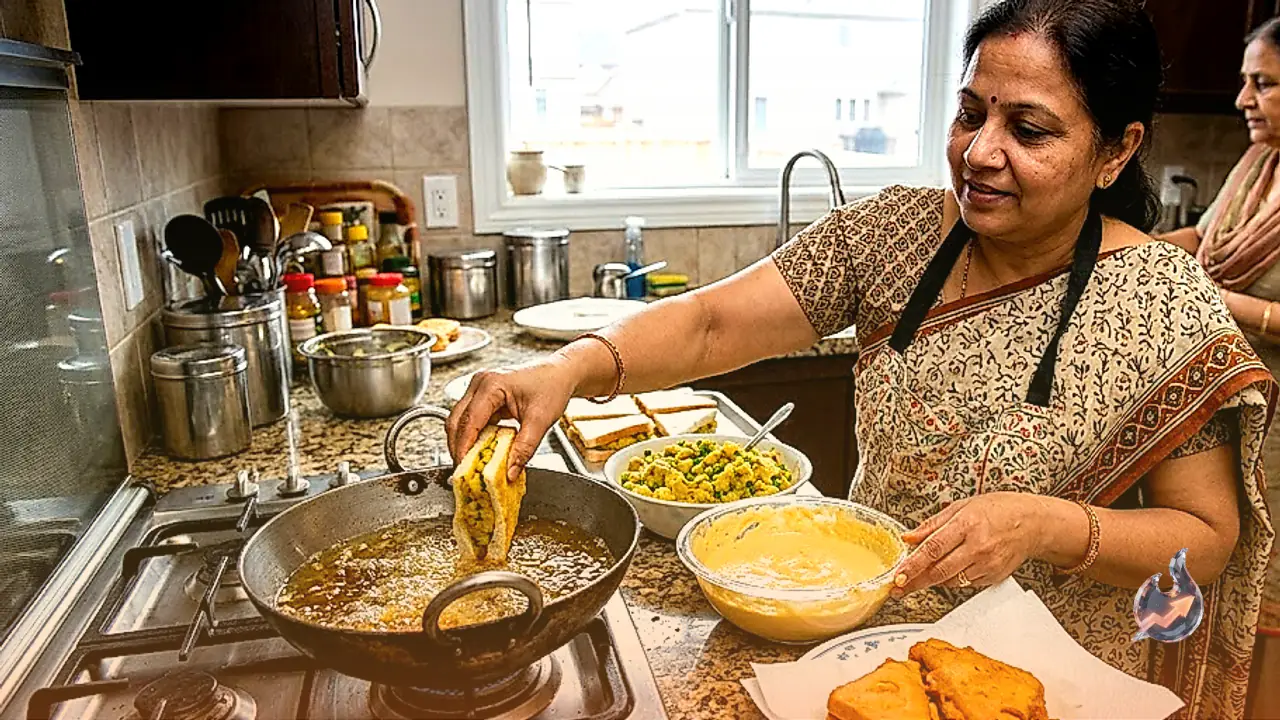
Frying begins with oil poured into a kadhai and heated over medium flame. Getting the temperature right is critical, the oil should be neither too cold nor too hot. If the oil is too cold, the batter will spread out shapelessly in the kadhai, while oil that is too hot will brown the Ram Laddu quickly on the outside while leaving the inside undercooked. Small portions of batter are shaped into balls using a hand or a spoon and dropped gently into the hot oil, then fried until they turn a light golden colour. They should be turned periodically while frying so that every side browns evenly.
Making the tangy chutney and grated radish topping
The chutney and topping that accompany Ram Laddu are just as straightforward to prepare. Radish leaves, coriander, ginger, green chillies and salt are ground finely together in a mixer, with a little water added if needed to loosen the mixture. Separately, radish is grated and combined with finely chopped green chillies, coriander and a splash of lemon juice. Together, these two elements add both a tangy kick and a burst of freshness once spooned over the hot Ram Laddu.
How it all comes together on the plate
The hot, freshly fried Ram Laddu are plated first, then topped generously with grated radish, followed by a layer of the green chutney spread over the top. A sprinkle of chaat masala and a squeeze of lemon juice can be added for extra flavour if desired. Many people also enjoy eating Ram Laddu alongside curd, which adds another layer of taste. For anyone looking to try something different and flavourful at home, this well known Delhi street food is worth attempting. Getting the batter right, whisking it properly, frying at the correct temperature, and folding in that distinctive radish leaf paste are the four details that separate real Ram Laddu from an everyday lentil pakora.