





















Traditional cuisine from Bihar is widely recognized for its rustic culinary techniques, pungent mustard oil aroma, and robustly spiced non-vegetarian specialties. The region boasts several heritage mutton preparations that remain relatively unfamiliar to culinary enthusiasts outside the state. Among these time-honored dishes, mutton chusta has gained widespread attention in recent times, largely driven by viral food videos across digital platforms. When encountered for the first time, its unusual form naturally prompts diners to question which precise cut of meat it represents and how it is made ready for the table.
The Anatomy and Physical Character of Chusta
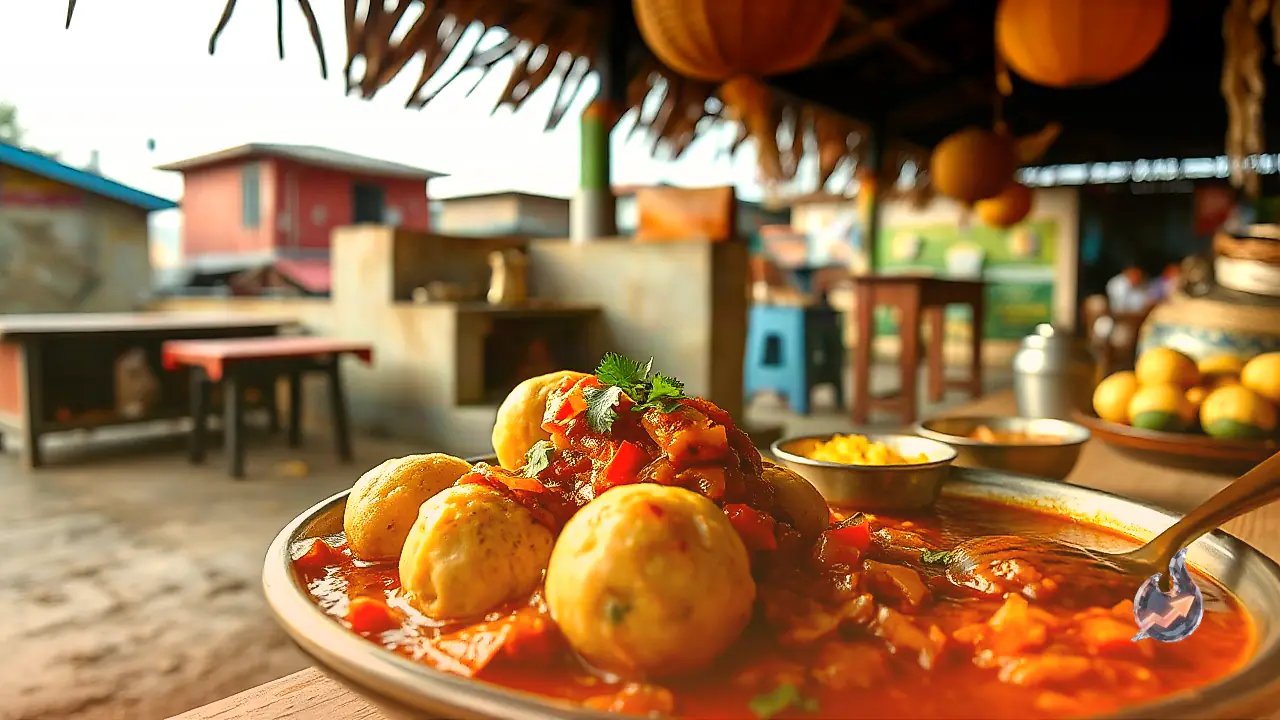
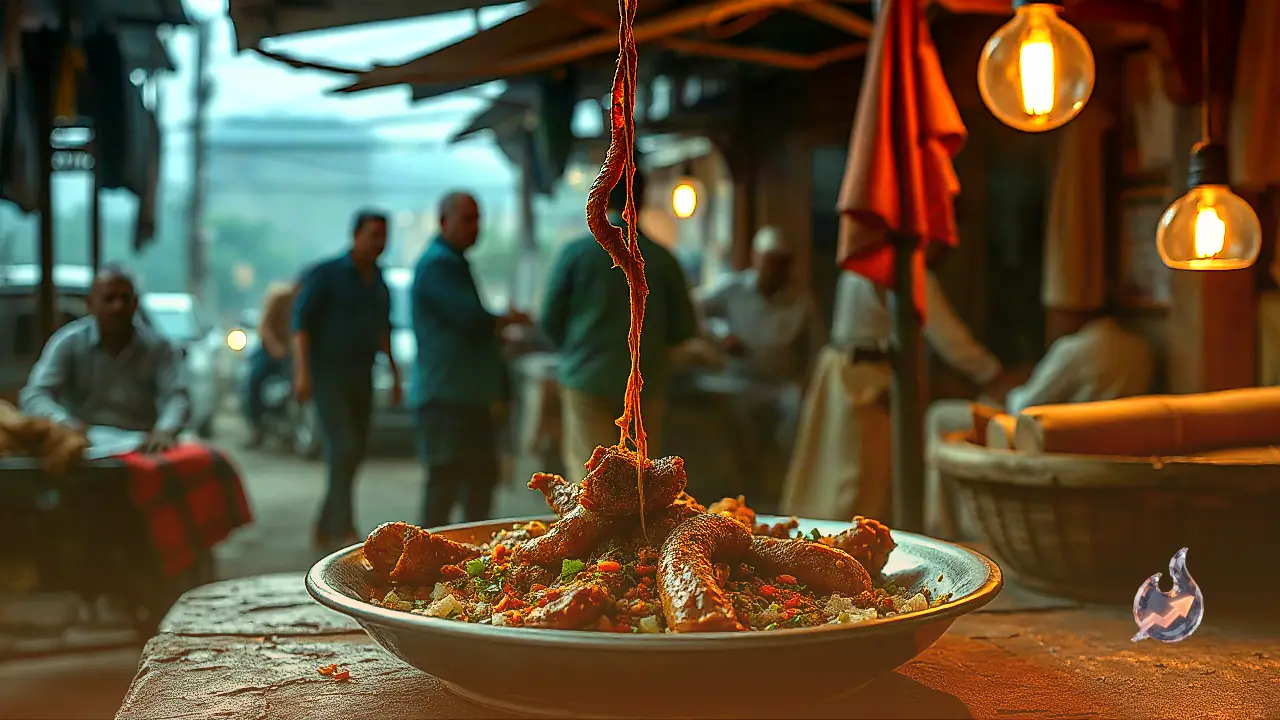
Mutton chusta is crafted specifically from the intestines of a goat. It occupies a distinct place within the traditional meat-eating heritage of Bihar, setting itself apart from conventional pieces of goat meat or everyday curry portions. Once thoroughly washed and prepared, the organ displays a long, curved, and tubular shape. The natural deposits of fat situated along the inner lining impart substantial thickness and volume to the piece. This unconventional exterior is precisely what captured the imagination of online audiences. Food content creators filming at local eateries brought the dish into the spotlight, prompting viewers to flood comment sections with inquiries regarding the cut and its preparation.
Intensive Cleaning Is the Critical First Phase
Because chusta consists of internal intestinal tissue, sanitation forms the single most crucial step in its entire cooking process. Any lapse during preparation can compromise both flavor and hygiene. Cooks wash the intestine multiple times with exceptional diligence to eliminate internal impurities and suppress the natural pungent odor inherent to organ meats. Following this thorough washing, culinary artisans decide whether to keep the piece intact in its full length or slice it into smaller rounds based on preference and regional tradition. Only after the cleaning reaches a spotless standard do the seasoning and cooking stages begin, with slight procedural variations observed across different kitchens and regional eateries.
The Traditional Spicing and Cooking Technique
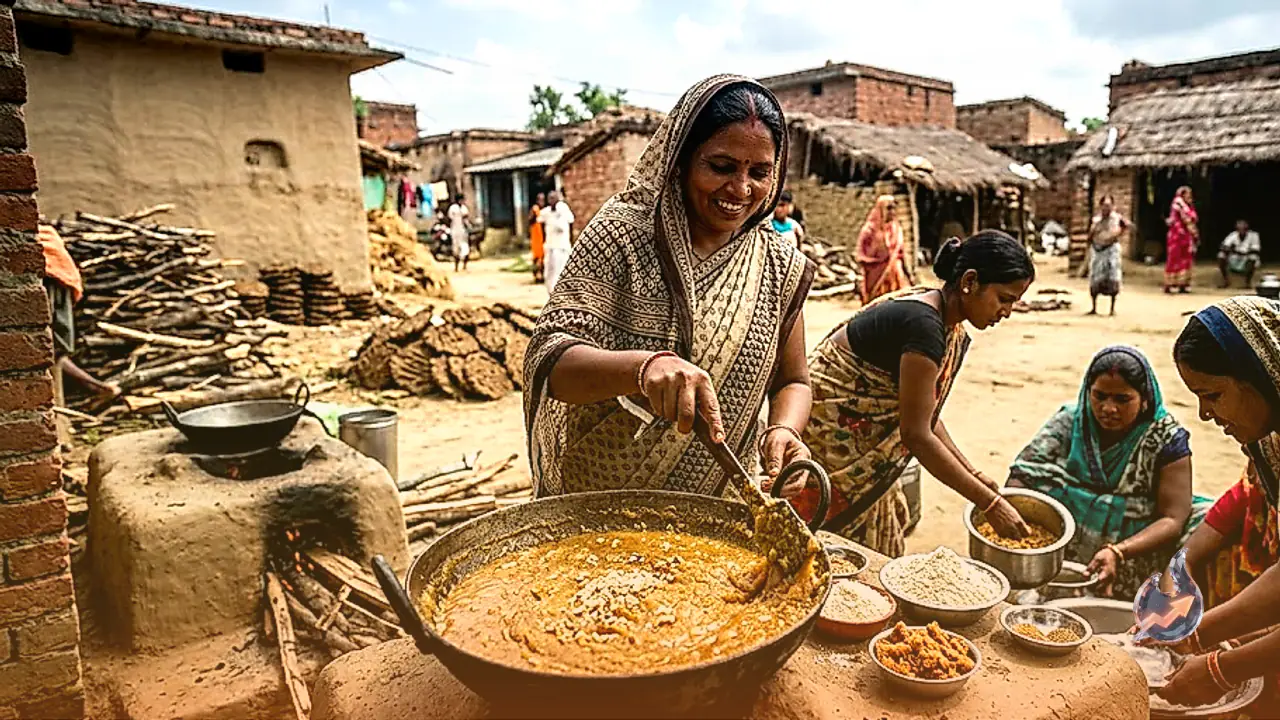
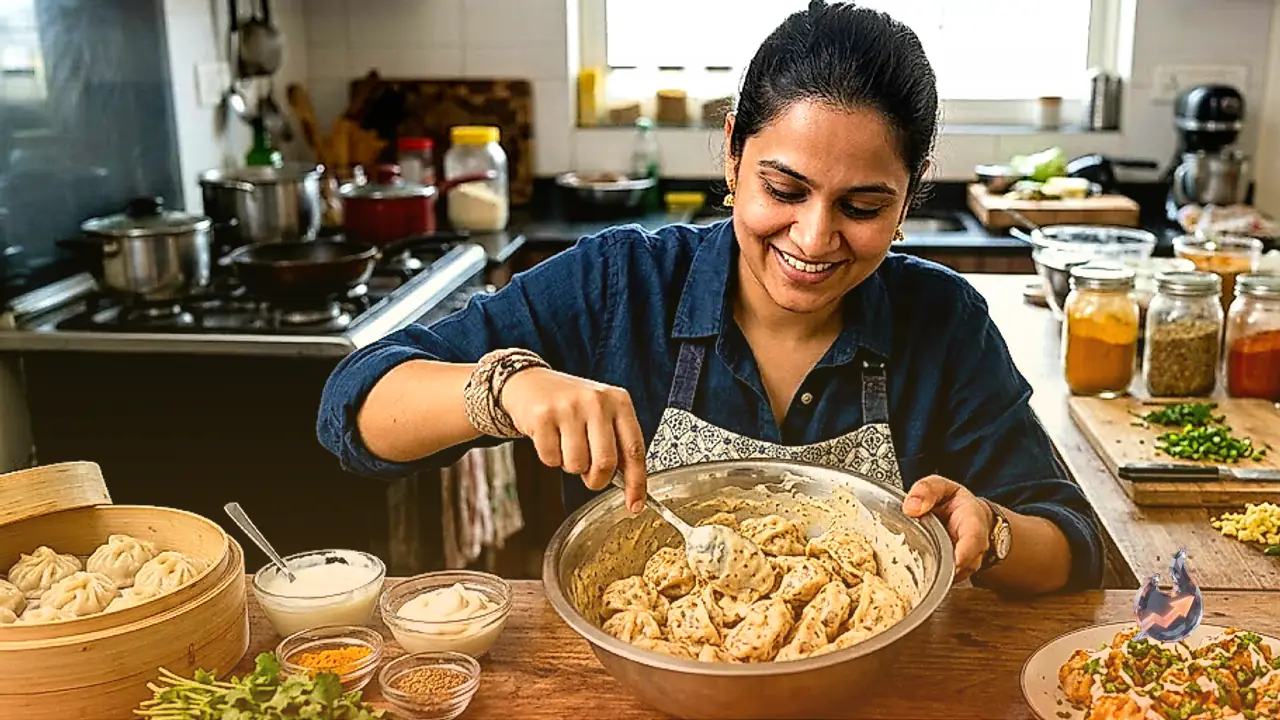
The culinary journey of mutton chusta typically begins with marination. The cleaned organ is coated thoroughly in a mixture of curd, salt, turmeric powder, red chilli powder, and coriander powder, allowing the earthy seasonings to penetrate the tissue. Meanwhile, cooks heat pure mustard oil in a heavy-bottomed pan or kadhai until it reaches the smoking point. The tempering follows, featuring sliced onions, freshly crushed ginger, minced garlic, and a fragrant medley of whole aromatic spices.
Once the aromatic base is sauteed to perfection, the marinated chusta is introduced into the pan and roasted vigorously over a steady heat. Some culinary purists prefer cooking it gradually over a gentle flame in an open kadhai, while others utilize a pressure cooker to ensure complete tenderness within a practical timeframe. As cooking progresses, the outer membrane turns pleasantly tender, while the rich layer of internal fat melts gradually into the gravy. This rendered fat emulsifies with the spices, yielding an exceptionally thick, luscious, and deeply savory sauce.
Flavor Profile, Texture, and Sensory Appeal
In terms of texture and taste, mutton chusta offers an eating experience fundamentally distinct from standard mutton cuts. It provides a distinctive chewy bite accompanied by a rich mouthfeel derived from the rendered fats. The sharp bite of mustard oil, combined with warm Indian spices, amplifies this hearty flavor. Diners sampling it for the first time may find the sensory profile unfamiliar or assertive, but seasoned enthusiasts of traditional gastronomy hold it in high regard for its robust, unpretentious character.
Digital Exposure and Culinary Heritage
The surge in popularity surrounding mutton chusta owes a great deal to short-form culinary reels shared across social networks. Spectators watching long, coiled pieces simmering in bubbling cauldrons naturally experience curiosity, which subsequently translates into a desire to explore the dish firsthand. Beyond internet fascination, the recipe highlights an important philosophy within Bihar's regional cooking, where varied edible cuts of livestock are honored and transformed through skilled spicing rather than discarded. For anyone seeking to grasp the full spectrum of authentic rustic cooking from Bihar, mutton chusta stands as an unmistakable example of culinary ingenuity that departs entirely from everyday mutton curry.