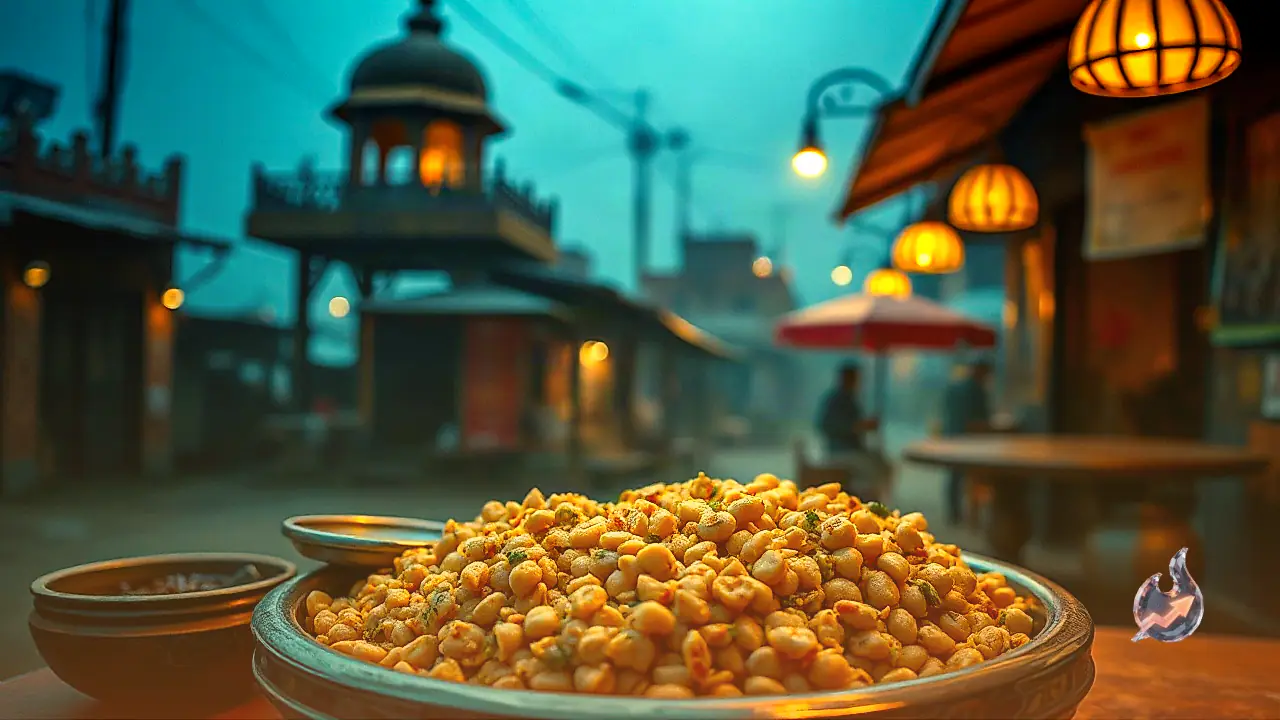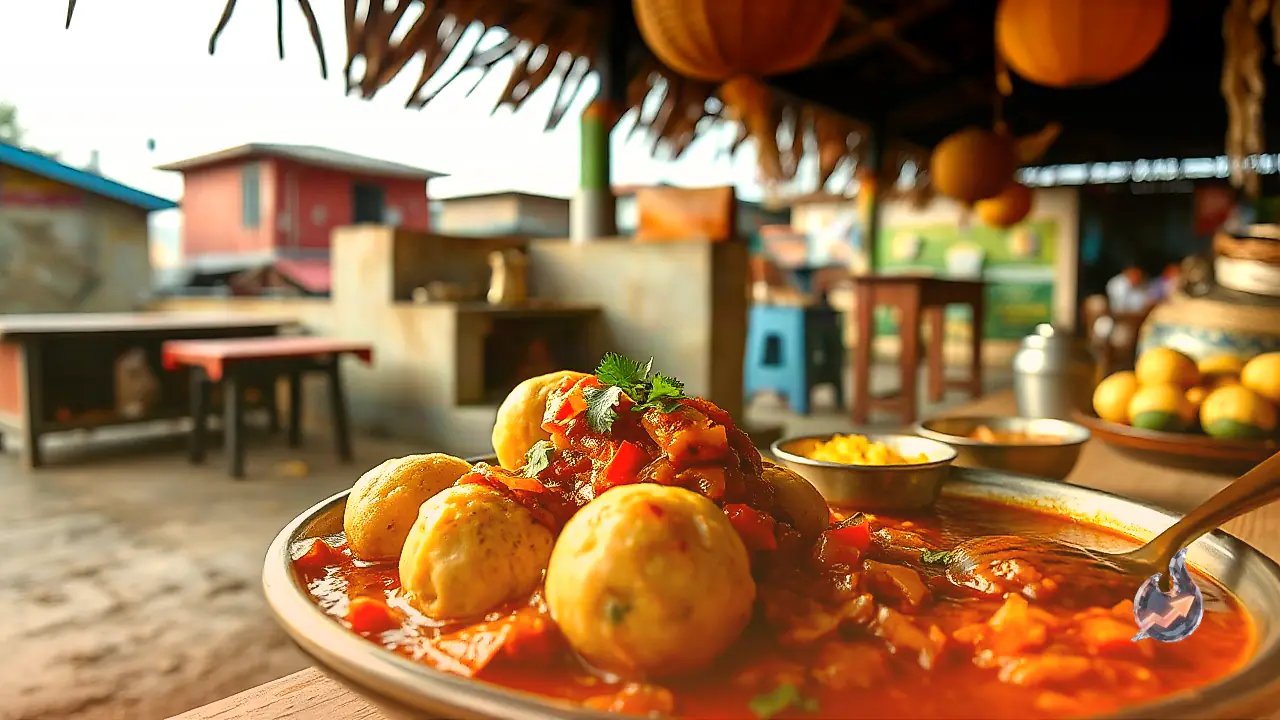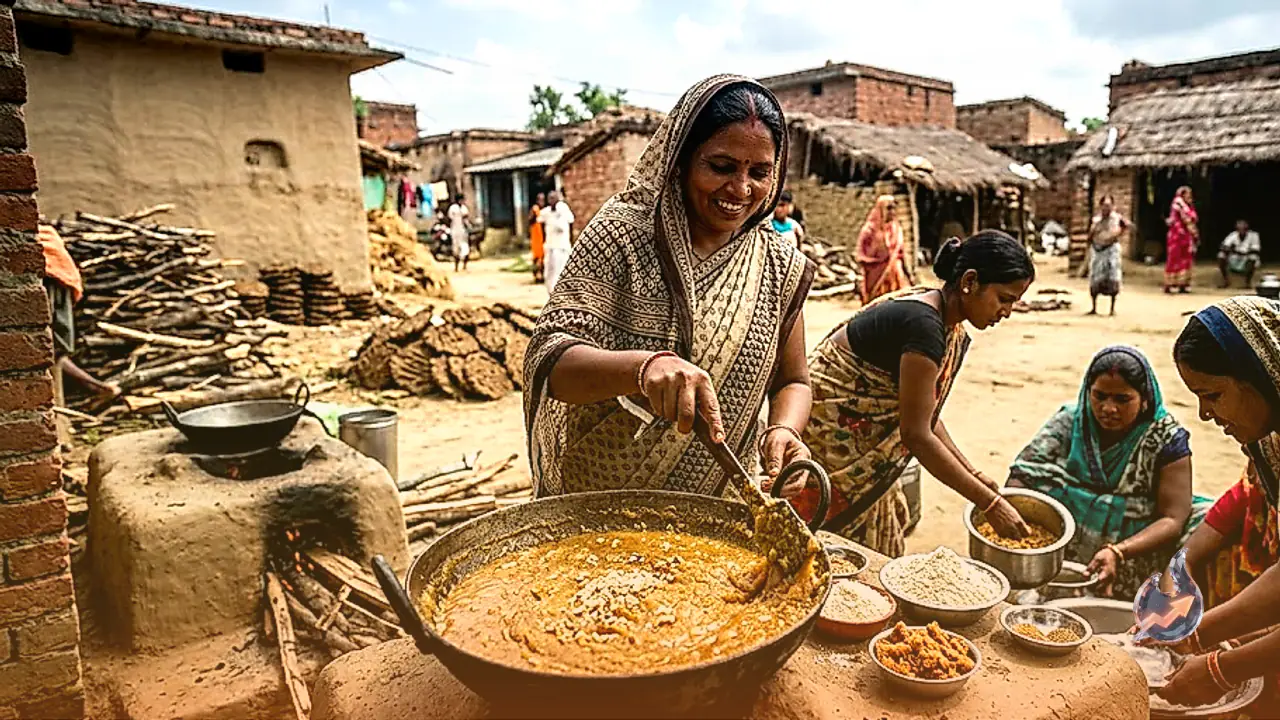





















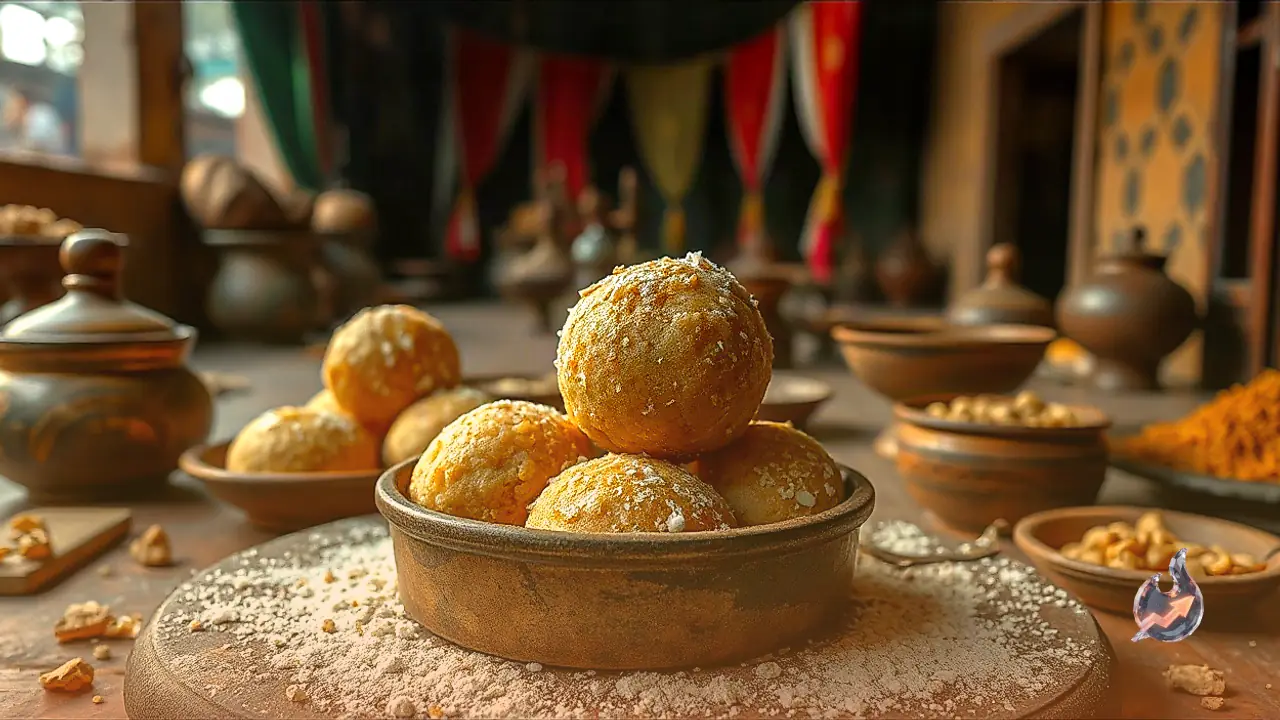

Across households in Burhanpur and the wider Nimar belt of Madhya Pradesh, a humble sweet continues to hold deep cultural significance. Prepared using coarse wheat flour and jaggery, this regional delight called gulgula remains a staple in local kitchens. Even with the widespread availability of contemporary confectionery in modern markets, this age-old preparation retains its distinctive identity.
Ingredients and Cooking Process
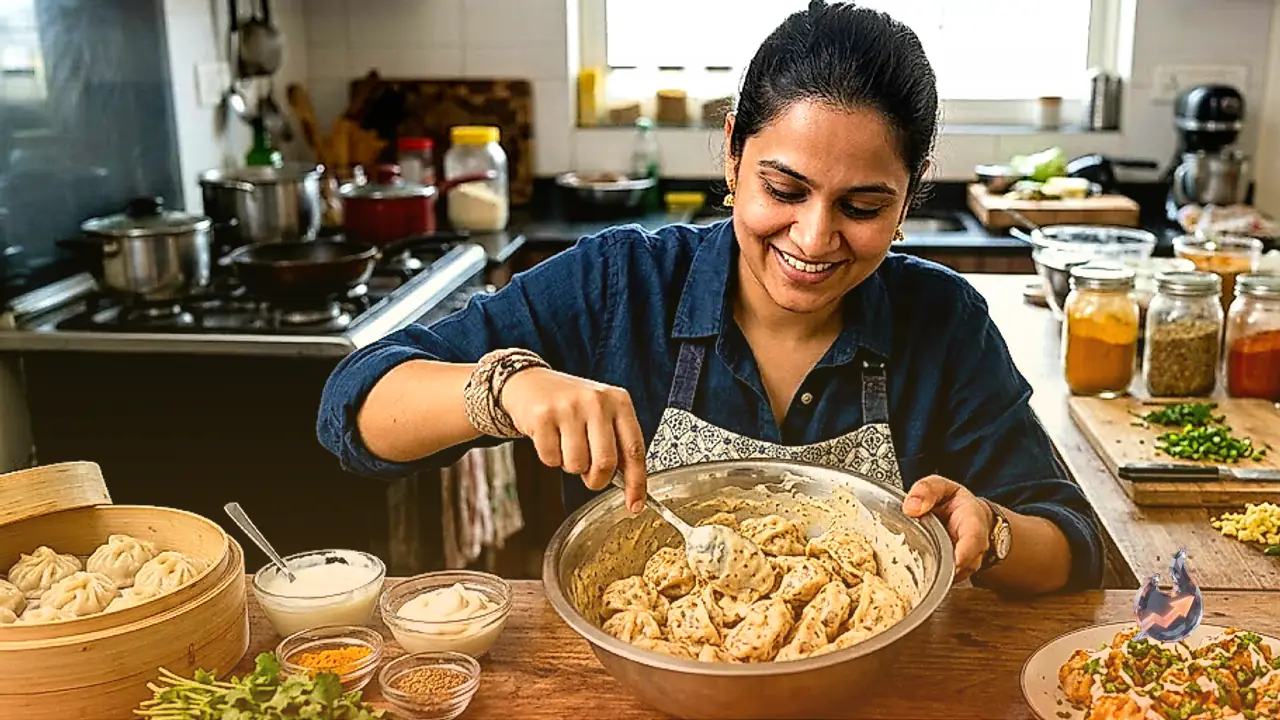
Making this rural delicacy requires only a handful of pantry staples. Coarse wheat flour, jaggery, and cooking oil form the core components of the recipe. Regarding the culinary technique, Phoolabai noted that blending the flour and sweet base properly creates its unique texture. The batter is prepared by mixing jaggery thoroughly with the dense flour until smooth. Small portions of this mixture are then dropped into hot oil and deep-fried until cooked through. Once prepared, the confection achieves a lightly crisp exterior while remaining soft and spongy on the inside.
Hospitality and Local Dining Habits
Within the community, gulgula serves as more than just a sweet course. Families frequently prepare it when receiving visiting relatives or guests at home. It enjoys wide appeal across generations, relished equally by young children and elders. In many rural homes, people also pair it with traditional staples such as bade chawal during meals.
Convenient Shelf Life for Travelers
A notable advantage of this indigenous fried delicacy is its resilience against spoilage. When cooked properly and stored in clean conditions, it can last for up to 7 days without losing quality. This extended durability makes it an ideal dry snack for families embarking on long journeys. Requiring minimal ingredients, gulgula stands as a testament to the enduring culinary traditions of Madhya Pradesh.