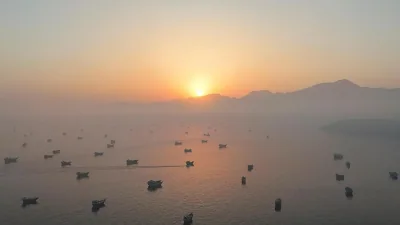
Tensions persist in West Asia as the United Arab Emirates reports an Iranian strike on its oil vessel in the Strait of Hormuz. Meanwhile, diplomatic discussions involving Oman over maritime transit are advancing, even as Tehran insists on war compensation and policy changes from Washington prior to reopening the strategic waterway.
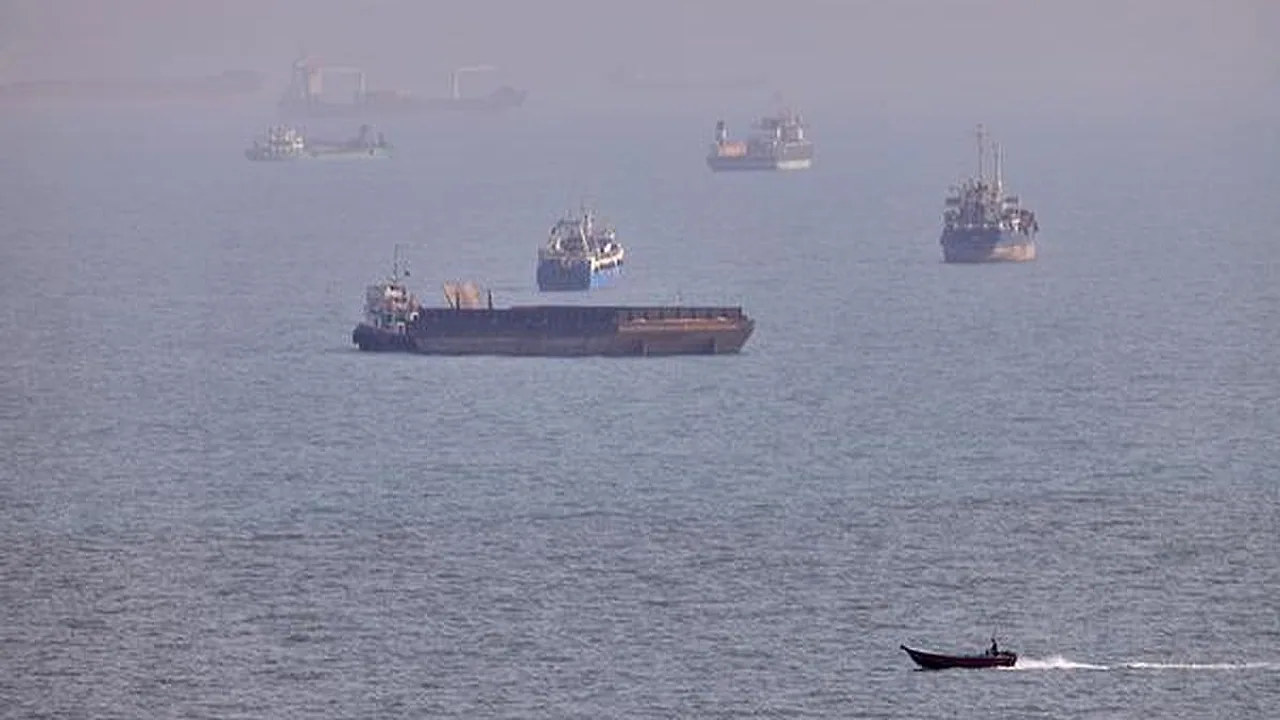 Live: UAE alleges Iranian strike on oil tanker while Oman notes progress in Hormuz talks
 Kisan Credit Card Scheme Expands Coverage and Introduces Digital Updates for Farmers
 Anuj Agnihotri UPSC Success: How A 1997 Hit Song Kept His Civil Services Dream Alive
 Pawan Singh Faces Massive Backlash For Cooking Chicken In Sawan
 Pampapur Ashram in Chitrakoot: A Hidden Spiritual Haven Amid Devangana Hills Nears Development
 Ravi Kishan Breaks Silence on Money Follows My Brother Meme Trend
 Shahjahanpur Farmers Can Maximize Profits With Early Cauliflower Cultivation
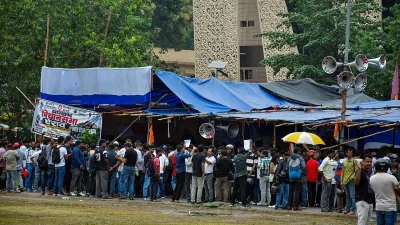
 Live: Jharkhand Student Protests: Govt Calls Fresh Talks Amid Political Tactics Allegations
 Maharashtra Milk Prices Hike by Rs 2, New Rates to Take Effect from August 11
 Ancient Shiva Temples of Meerut Hold Centuries of Mythological History and DevotionLive
Live: UAE alleges Iranian strike on oil tanker while Oman notes progress in Hormuz talks
Tensions persist in West Asia as the United Arab Emirates reports an Iranian strike on its oil vessel in the Strait of Hormuz. Meanwhile, diplomatic discussions involving Oman over maritime transit are advancing, even as Tehran insists on war compensation and policy changes from Washington prior to reopening the strategic waterway.
Also read
Live updates
Tehran sets preconditions for reopening Strait of Hormuz
Iran set preconditions on Saturday for restoring traffic through the Strait of Hormuz, including financial compensation for war damages, creating new obstacles for a potential agreement to unblock the globally crucial shipping lane. Tehran has maintained an effective blockade of the strait since the United States and Israel launched strikes on Iranian targets in late February. The nation seeks to levy toll fees on passing vessels and has attacked ships accused of attempting to bypass its preferred transit route. Ongoing military actions in the strait, which allowed free passage before the conflict escalated, caused the collapse of an April ceasefire agreement. International mediators have since been urging both parties to adhere once again to the terms laid out in a June memorandum. Iranian Foreign Minister Abbas Araghchi stated that talks with Oman regarding the passage and administration of the channel were entering their final stages. However, he added that reopening Hormuz remains contingent on additional stipulations and compensation for breaches of the June accord.Turkiye expects Egypt to join regional security agreement
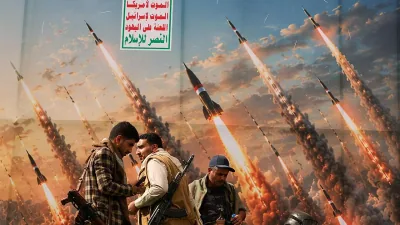
Turkiye’s Foreign Minister expressed confidence that Egypt would join a joint defence pact with regional partners designed to bring stability to an area grappling with the West Asia conflict. Saudi Arabia, Turkiye, and Pakistan finalized the deal on Friday amid the ongoing war between the United States and Iran, a confrontation that has drawn in neighboring countries and disrupted maritime transit through the Red Sea and the Strait of Hormuz. The hostilities have emboldened Iranian forces and Yemen’s Houthi movement, both of which have launched strikes against Saudi Arabia. Additionally, a drone hit US installations at an Egyptian Mediterranean port last month. Speaking to state news agency Anadolu, Turkish Foreign Minister Hakan Fidan stated that he anticipates Cairo joining the "Mecca Joint Defence Agreement", calling the nation a natural partner across all strategic areas.Israeli forces enter Lebanese village under army control, erect dirt barrier
Israeli troops entered a Lebanese village placed under the jurisdiction of Lebanon’s army as part of a June framework, constructing an earthen barrier overnight, state media and the local mayor reported. An AFP correspondent observed the mound at the eastern entrance to the village, blocking the main road. Local authorities stated it was uncertain whether any Israeli personnel remained in the locality. Read more: According to local sources, Israeli troops entered a Lebanese village overnight, creating a roadblock in violation of a recent accord.UAE accuses Iran of attacking oil tanker as Oman reports progress in Hormuz talks
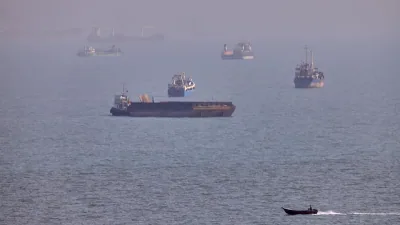
The UAE accused Iranian forces of striking a vessel owned by its state oil enterprise in the Strait of Hormuz, even as both Iran and Oman indicated that negotiations over administering the crucial trade corridor were advancing. Tehran has maintained a de facto blockade on the strait and intends to charge passage fees, launching repeated strikes against vessels accused of attempting to bypass its mandated shipping lane. Washington strongly rejects any Iranian tolls in the passage, though a June agreement between the opposing parties allows Tehran to draft plans for the "future administration" of Hormuz in coordination with fellow littoral state Oman. Continued strikes in the strait, which was open to free navigation prior to the outbreak of war, led to the breakdown of an April truce. Mediators have since been encouraging both parties to return to the terms agreed upon in the June memorandum.
Comments 0
Sign in to join the conversation.
Sign inNo comments yet — be the first.
Citizen journalism
Become a TrendKia journalist
Voice of the peopleShare news, photos and videos from your area with TrendKia and let your voice reach the nation. Every citizen a journalist.
Join nowCH 01 LIVE
TrendKia TV ON AIR