























The Kisan Credit Card scheme plays a vital role in helping farmers across India fund sowing operations and manage various agricultural requirements through formal, lower-cost credit channels. By providing institutional loans, the initiative significantly reduces farmers' reliance on informal lenders during peak seasonal input periods. Over time, the scope of the scheme has widened considerably to encompass numerous allied activities that bolster rural incomes and support diverse livelihood models.
Broadening Beyond Traditional Crops
Originally designed to deliver timely and affordable credit for core agricultural expenses such as seeds, fertilizers, and pesticides, the scheme now extends well beyond standard crop cultivation. Its expanded coverage includes dairy farming, poultry, fisheries, animal husbandry, and beekeeping. Instead of being forced to withdraw large lump sums, farmers can draw money as required across the entire farming cycle, tailoring their borrowing to actual operational needs.
Eligibility and Inclusion Criteria
The scheme remains accessible to individual farmers as well as joint borrowers who own and actively cultivate land. Additionally, tenant farmers and sharecroppers are included under various frameworks, while oral lessees are covered where applicable according to prevailing lending norms. Group-based borrowing is also fully supported, allowing participation through Self Help Groups and joint liability groups to ensure broader financial inclusion.
Issuing Institutions and Application Channels
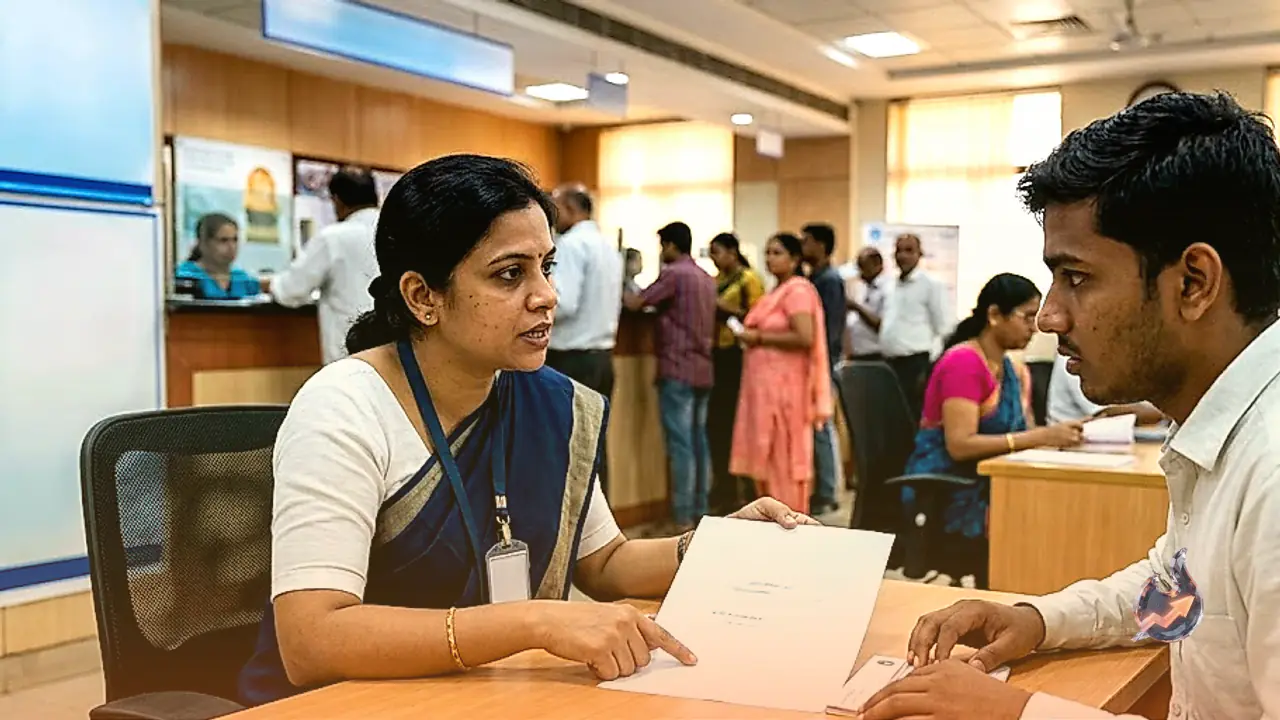
Commercial banks, regional rural banks, and cooperative banks issue Kisan Credit Cards to eligible borrowers. Applicants can visit a nearby branch to request the necessary paperwork, while many financial institutions also permit form downloads directly from their official websites. Furthermore, online applications can be submitted through digital platforms such as JanSamarth or myScheme, depending on local service availability and specific bank support.
Digital Integration and Simplified Paperwork
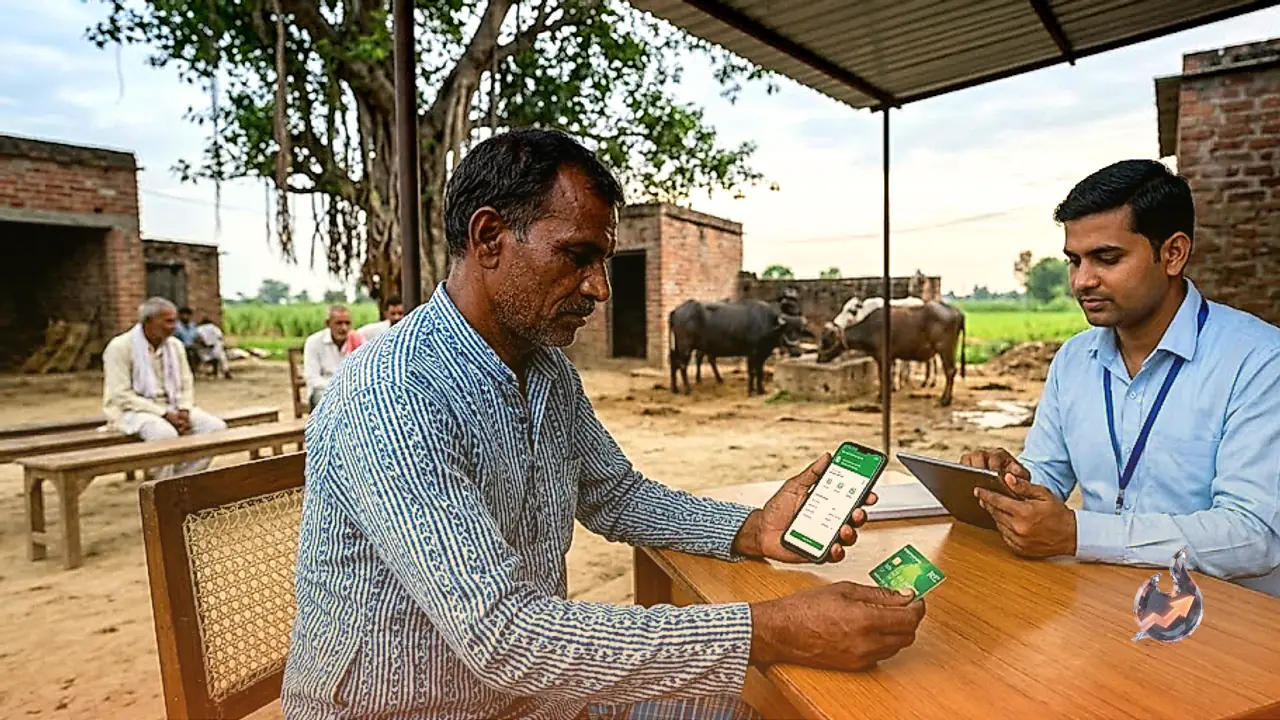
Aligned with broader national digital initiatives, the application process features streamlined requirements such as a single-page form and seamless integration with PM Kisan data. Administrative paperwork is further minimized through the use of Common Service Centres and the Kisan Rin Portal. These digital touchpoints enable borrowers to submit their details with fewer steps, making the institutional credit framework much more efficient.
Supporting Rural Productivity and Financial Security
Financing through the Kisan Credit Card supports the entire agricultural value chain, covering cultivation, harvesting, storage, marketing, and essential household needs. By ensuring reliable institutional finance, the system aims to improve overall farm productivity while targeting key segments like marginal farmers and allied sectors. Ultimately, connecting seasonal funding needs with formal banking channels helps rural households steer clear of high-interest informal debt.