






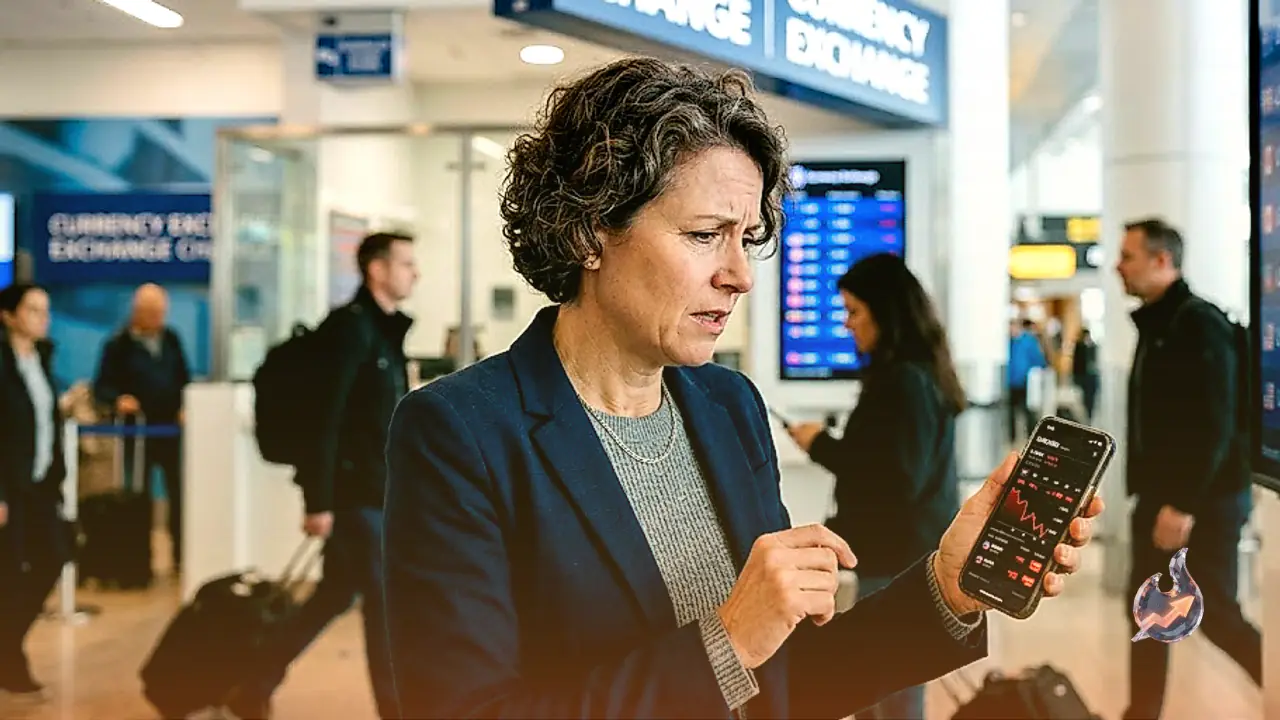


















In digital transactions, the communication between checkout interfaces, payment gateways, and banking networks forms a delicate chain. A payment timeout takes place when a payment gateway fails to receive the definitive status of a transaction from an issuing bank within an anticipated operational timeframe. Conversely, a late authorisation happens when that delayed approval finally arrives from the bank after the cutoff has passed, confirming that the debit was indeed completed. Mastering the mechanics of these delayed transactions is what separates a seamless recovery system from a compounding backlog of customer support tickets and churn.
The Transaction Lifecycle: From Creation to Delayed Clearance
Encountering a payment gateway timeout does not mean that the underlying financial attempt has failed outright. It simply indicates that the gateway did not secure a definitive response from the banking infrastructure within the standard operational cutoff, which typically sits at around 10 minutes. This journey involves distinct technological stages that unfold systematically.
The sequence begins with an interruption. The buyer submits their one-time password or gives authorization via a UPI prompt. While the bank executes the debit on the account, the confirmation message fails to travel back to the gateway in time, hindered by network latency or unexpected bank server downtime. Once the timeout window expires, the gateway marks the payment status as created and subsequently transitions it to failed due to the missed deadline.
Following this initial failure status, the polling phase takes over. The gateway systematically queries the bank's servers across a designated timeframe, which frequently extends up to 72 hours, to check the evolving transaction status. If the bank subsequently verifies that the debit was executed successfully, the gateway updates the transaction state to authorized. This post-cutoff confirmation is the late authorisation. Because of this technical chain, a customer complaint regarding a debited account paired with an unsuccessful checkout is usually not a system defect, but a transaction paused within the polling or delayed resolution stages. Full specifications on these flows can be accessed in the official documentation for late authorisation implementations.
Aligning Capture and Refund Rules with Business Models
How an enterprise responds when a delayed approval surfaces must directly reflect the physical and operational realities of its products. Automatically fulfilling a delivery an entire day late can destroy trust in ultra-fast retail models, whereas automatically refunding an active SaaS subscription creates unneeded disruption for a subscriber who is already consuming the service. Every sector demands an intentional operational strategy.
Within quick commerce and meal delivery ecosystems, operational risk is exceptionally high because the utility of the purchased item drops sharply with time. The default rule here must be an automated refund, rejecting late capture and issuing an immediate reversal. For standard physical e-commerce dealing in retail goods, the operational hazard is moderate, revolving around inventory reservation and delayed transit schedules. Here, dynamic capture is optimal: claim the funds and dispatch the package if stock permits, or issue a refund if the goods are no longer available.
In digital subscriptions and software services, operational risk remains minimal due to zero physical inventory requirements. Platforms can rely on auto-capture, securing the funds and provisioning digital access without hesitation. Event ticketing and hospitality represent critical risk environments, as seats, flights, or rooms are immediately recycled and reallocated to other buyers. These platforms require a strict timeout refund strategy that cancels reservations right at timeout and returns any late-authorized funds. Leveraging configurable payment capture settings gives merchant systems full discretion to accept or reverse transactions based on inventory health rather than gateway defaults.
Building Resilience Through Webhooks and Idempotency Keys
Treating front-end browser redirects as the single source of truth for payment status represents a significant architectural vulnerability. Whenever a customer exits or closes their browser tab amid a payment timeout, the redirection hook fails to trigger, even if the bank ultimately clears the transaction on its end. Two core engineering practices resolve this structural gap effectively.
The primary mechanism is subscribing to the payment authorized webhook. Whenever a banking partner validates an earlier timed-out attempt, the gateway emits an asynchronous server-to-server payload. Backend databases must rely strictly on this server-to-server event to update order status, bypassing front-end session states entirely. The complementary safeguard involves implementing idempotency keys across every API request. When users face an unconfirmed screen, their instinct is often to retry payment immediately. Attaching a unique idempotency key, such as the merchant order identifier, ensures that even if an initial attempt clears as a late authorisation, the core database rejects duplicate charges and avoids creating duplicate order records.
Customer Communication and Operational Ledger Reconciliation
Maintaining proactive, clear communication while a transaction sits in an unresolved state directly curtails support inbound volume and chargeback friction. Messaging should stay strictly factual without promising timelines that internal systems cannot guarantee. During the unresolved timeout window, merchants should inform customers that confirmation is taking longer than usual, reassuring them that if funds were deducted, no immediate action is required as status will update upon bank verification.
Once a late approval resolves, automated systems should notify the user that payment confirmation is complete, the order is moving forward, and provide an accessible receipt link. Specific refund windows should not be cited in notification templates unless formal service level agreements with the processor explicitly validate them. On the accounting side, unresolved delayed approvals complicate monthly financial closing if grouped together with standard captures. Merchants need to verify how payment processors apply Merchant Discount Rate (MDR) charges on transactions that clear late and are subsequently reversed. Enforcing accounting ledger rules that differentiate created, failed, and late-authorized entries keeps reconciliations orderly and accurate.