























Staying current with wellness trends on social media is a requirement for my line of work, but the reality is that the algorithm is exceptionally good at keeping me engaged for hours. Ironically, the constant stream of wellness advice often leaves me feeling more burnt out. The absurdity peaks when, just as I consider putting my phone away, another video appears claiming it has the definitive solution to the anxiety caused by the previous videos. Whether it is cold plunges, specific breathing techniques, humming, or hip stretches promised to magically release trauma, wellness influencers continuously insist that I am neglecting to 'regulate my nervous system.'
Your nervous system is the intricate network managing your body's background operations, including heart rate, respiration, digestion, immune response, and hormonal regulation, generally operating outside of conscious control. It is broadly bifurcated into two systems working in opposition: the sympathetic nervous system, which mobilizes the body for 'fight or flight' actions, and the parasympathetic nervous system, which facilitates 'rest and digest' recovery and maintenance. However, the way 'regulation' is presented online makes it sound more like a marketing buzzword than a biological process.
The Clinical Perspective
Neuroscientist Dr. Ramon Velazquez clarifies that the clinical definition is far less mystical than online influencers suggest. Clinically, nervous system regulation denotes 'the nervous system's capacity to adapt to stress, maintain homeostasis, and return to baseline efficiently after a challenge.' Being 'regulated' does not simply mean feeling calm. Instead, as Velazquez explains, 'a well-regulated nervous system can appropriately shift between states of arousal, focus, recovery, and rest as circumstances demand.' Most marketed techniques, including HRV-guided training, cold exposure, mindfulness, and vagus nerve stimulation, are essentially attempts to shift the balance from the sympathetic to the parasympathetic system. Effective regulation is not about suppressing stress responses but about maintaining flexibility.
Evaluating Consumer Devices
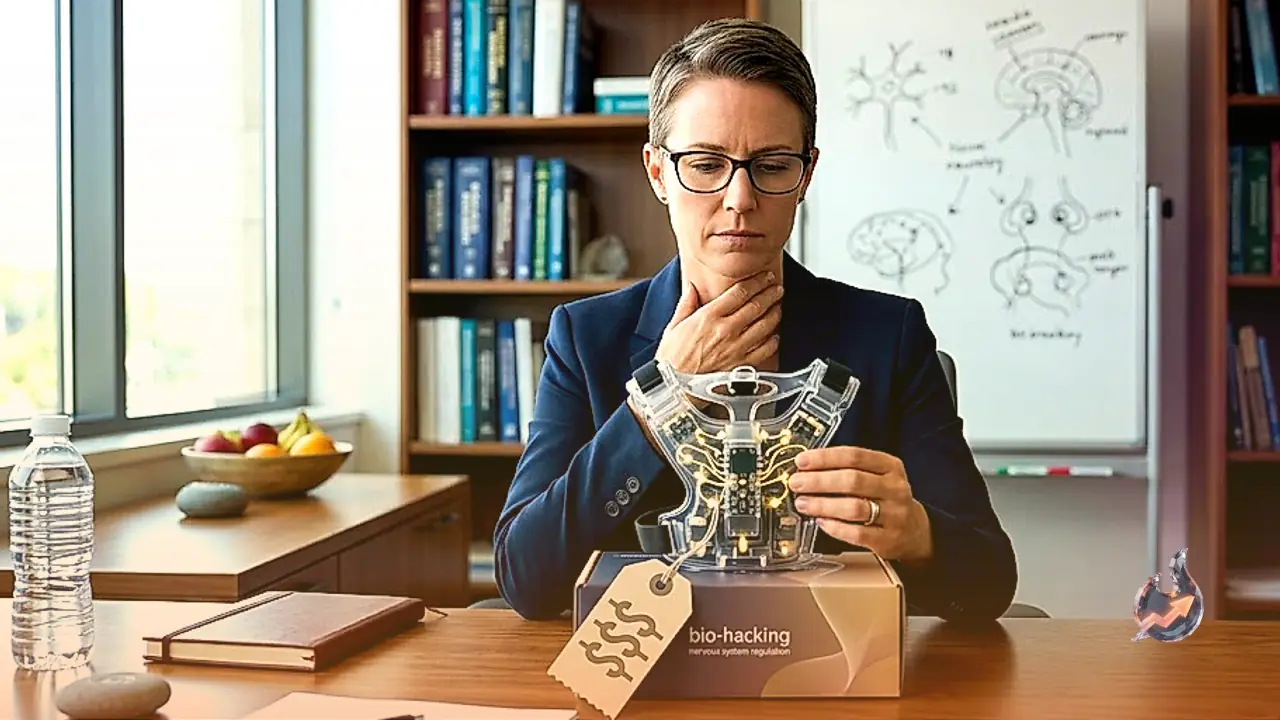
There is a growing market for consumer wearables that promise to 'hack' your vagus nerve to induce calm. Before accepting these marketing claims, it is vital to understand that the strongest drivers of nervous system health remain foundational: quality sleep, good nutrition, regular exercise, stress management, and social connection. While consumer products might offer some peripheral benefits, they are unlikely to replace these essential behaviors. Individual responses to these interventions vary significantly based on sensitivity, medication, and underlying health.
Practical Steps to Manage Your Nervous System
If you are navigating the noise of online wellness content, consider these evidence-based guidelines:
- Proven Methods: Breathwork and mindfulness practices have substantial research supporting their role in improving autonomic flexibility and stress resilience.
- Promising but Unverified: Non-invasive vagus nerve stimulation and cold exposure show some potential, but sweeping claims often outpace available science.
- Avoiding Harm: Do not fall for the idea that a single device can replace foundational habits. If a relaxation device causes muscle seizures, cramping, or pain, stop using it immediately and consult a healthcare professional.
Ultimately, while the shift toward prioritizing recovery over constant optimization is a healthy development, the version sold through a single gadget or a five-minute hack does not accurately reflect clinical practice. Your capacity to regulate your nervous system is built primarily through consistent lifestyle habits. As with all health-related trends, there is rarely a magic device that can serve as a substitute for the fundamentals.