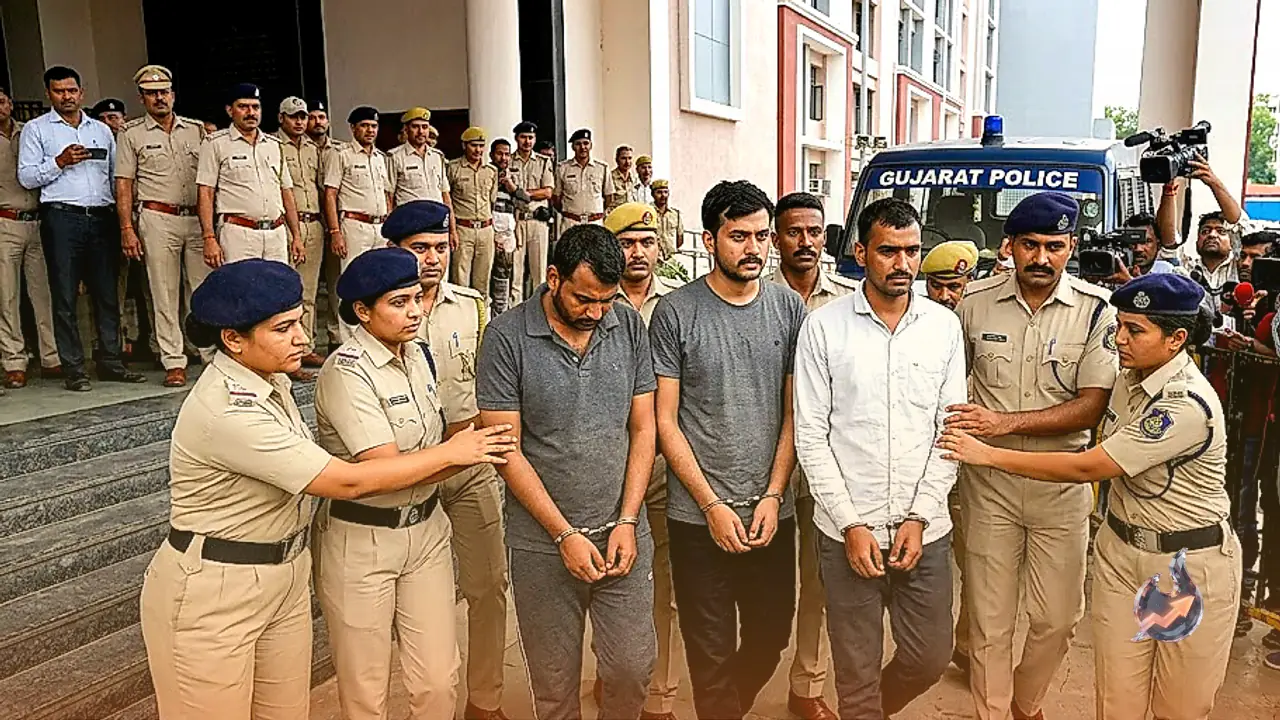





















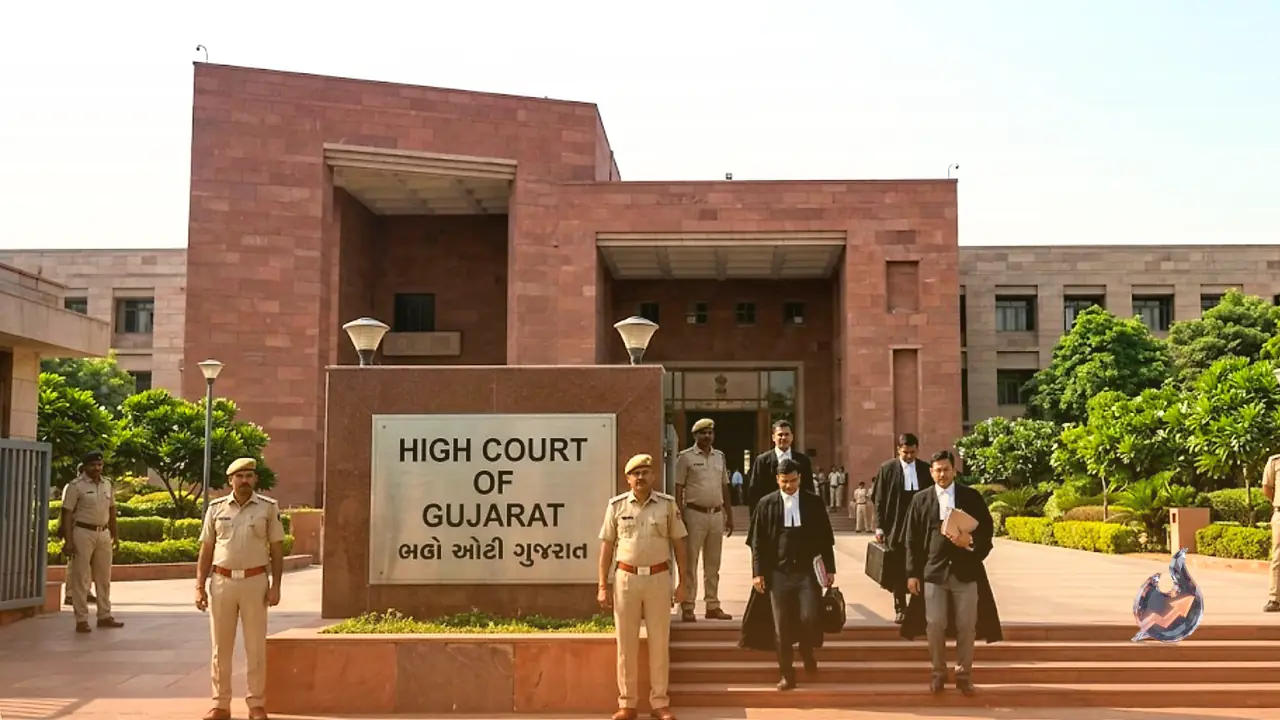

The Gujarat High Court on Tuesday delivered a major verdict in the 2008 Ahmedabad serial blasts case, upholding the trial court's order in full. The court confirmed the death penalty handed to 38 convicts and the life sentence given to 11 others. It also reaffirmed the compensation order for victims, under which the families of the 56 people killed in the blasts will receive 10 lakh rupees each, while more than 200 injured survivors will get 1 lakh rupees each.
21 blasts in 49 minutes shook the city
The evening of 26 July 2008 turned into a nightmare for Ahmedabad. In just 49 minutes, the city was rocked by 21 bomb blasts, one after another, killing 56 people. The attackers deliberately targeted crowded localities including Naroda, Bapu Nagar, Sarkhej and Hatkeshwar. Bombs were planted in hospitals, public places, markets and city buses. The devices were hidden inside tiffin boxes strapped to bicycles, a method that matched the earlier serial blasts in Jaipur on 13 May 2008. Several buses run by AMTS, the Ahmedabad Municipal Transport Service, were caught in the blasts and blown apart.
A second wave of blasts hit hospitals treating the injured
What made the conspiracy especially chilling was that the attackers also targeted two separate hospitals in the city. About 40 minutes after the initial round of blasts, explosions went off inside the premises of these hospitals. One of these hospital blasts happened at the exact moment victims injured in the earlier explosions were being rushed in for treatment, suggesting a deliberate plan to strike again at the injured and those helping them.
The 2022 sessions court verdict that made history
Nearly 14 years after the attack, the sessions court delivered its verdict in 2022, sentencing 38 accused to death and 11 to life imprisonment. The court described the case as the rarest of the rare and held that the death penalty was the appropriate punishment. It was the first time in the country that as many as 38 convicts were sentenced to death together in a single case. The sessions court also ordered compensation for the families of the deceased and the injured in that same verdict.
Why the case went to the High Court
Under the law, a death sentence cannot be carried out unless it is confirmed by the High Court. That is why, after the sessions court verdict, all the convicts filed appeals against the order before the Gujarat High Court. At the same time, the Gujarat government also filed its own petition before the High Court seeking confirmation of the death sentences. In their appeals, lawyers for the convicts questioned the police investigation, the evidence presented and the confessions recorded, challenging the punishment. On Tuesday, the High Court rejected these arguments and upheld the trial court's verdict in its entirety.