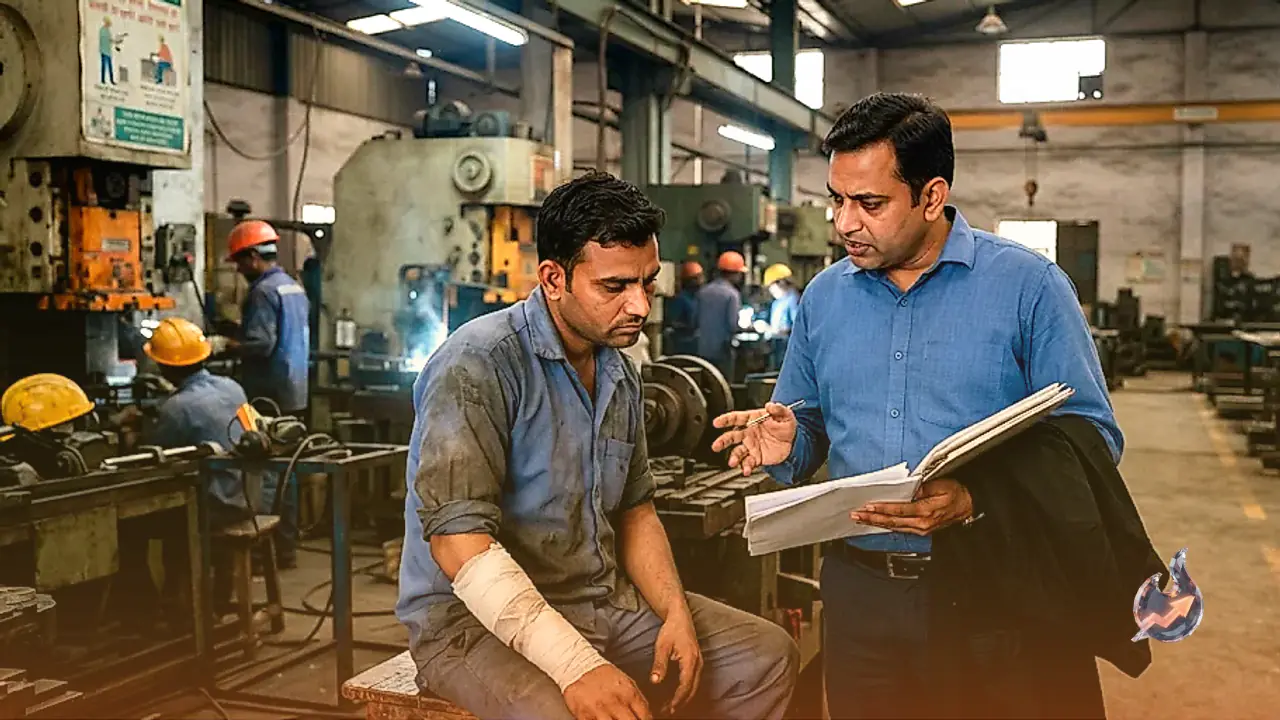

Earning a livelihood through strenuous manual labor inside factories is far from easy for working-class families. Operating heavy machinery throughout the day leaves very little margin for error, and a minor lapse in attention can result in lifelong physical trauma. In many tragic incidents, workers end up losing their limbs or even their lives due to workplace mishaps. This raises critical questions regarding who bears the medical expenses of the injured worker, the exact compensation amount they are entitled to, and where a laborer can seek recourse if the company outrightly refuses to extend any help. Advocate Mohan Tiwari, who practices at the Faridabad Sector-12 court, has addressed these pressing concerns in detail.
Assessment Based on Injury Severity and Loss of Capability
According to Advocate Mohan Tiwari, the evaluation process begins by thoroughly examining how the accident occurred and the extent of physical damage suffered by the worker. If a laborer loses an arm or a leg, or is rendered permanently disabled, the assessment takes into account both their physical condition and diminished earning capacity. Furthermore, factors such as the worker's salary, daily operational capability, and the gravity of the wounds form the primary basis for calculating financial compensation. Arranging immediate medical intervention and treatment for the victim remains the fundamental obligation of the factory owner. The expenditure incurred on healthcare, along with the statutory compensation mandated by legal provisions, falls squarely under the employer's responsibility.
Up to Sixty Percent Compensation During Permanent Disability
Advocate Mohan Tiwari explains that the duration for which an injured worker continues to receive financial support depends heavily on the severity of the injury, internal company policies, and whether the worker is insured under the ESI scheme. In various instances, regular wages are disbursed for approximately three months following the incident. In cases of severe disability, rules allow for compensation amounting up to sixty percent of the worker's salary. However, the precise calculation depends on the specific facts of the case and the applicable labor laws. If an accident inside a factory results in the unfortunate death of a worker, their grieving family retains the legal right to claim compensation. This evaluation factors in the deceased worker's salary, designation, ESI coverage, and household eligibility to disburse financial assistance under statutory provisions.
Approaching the Labor Department in Case of Employer Denial
Advocate Mohan Tiwari advises workers that if a factory owner or management creates hurdles in providing medical treatment or delays compensation, the aggrieved employee should approach the labor department and the office of the respective labor commissioner to file a formal complaint. If circumstances demand further legal action, a formal proceeding can also be initiated before a competent court. Workers are strictly advised to preserve all medical bills, prescription slips, evidence related to the accident, and employment documents in a safe place. Factory owners must prioritize workplace safety above all else, ensuring that heavy machinery is equipped with necessary safety guards and that a secure working environment is maintained. Management must recognize that a worker's life is infinitely more valuable than any corporate profit, and safeguarding a laborer's wellbeing is not merely a legal obligation but a profound humanitarian duty.