
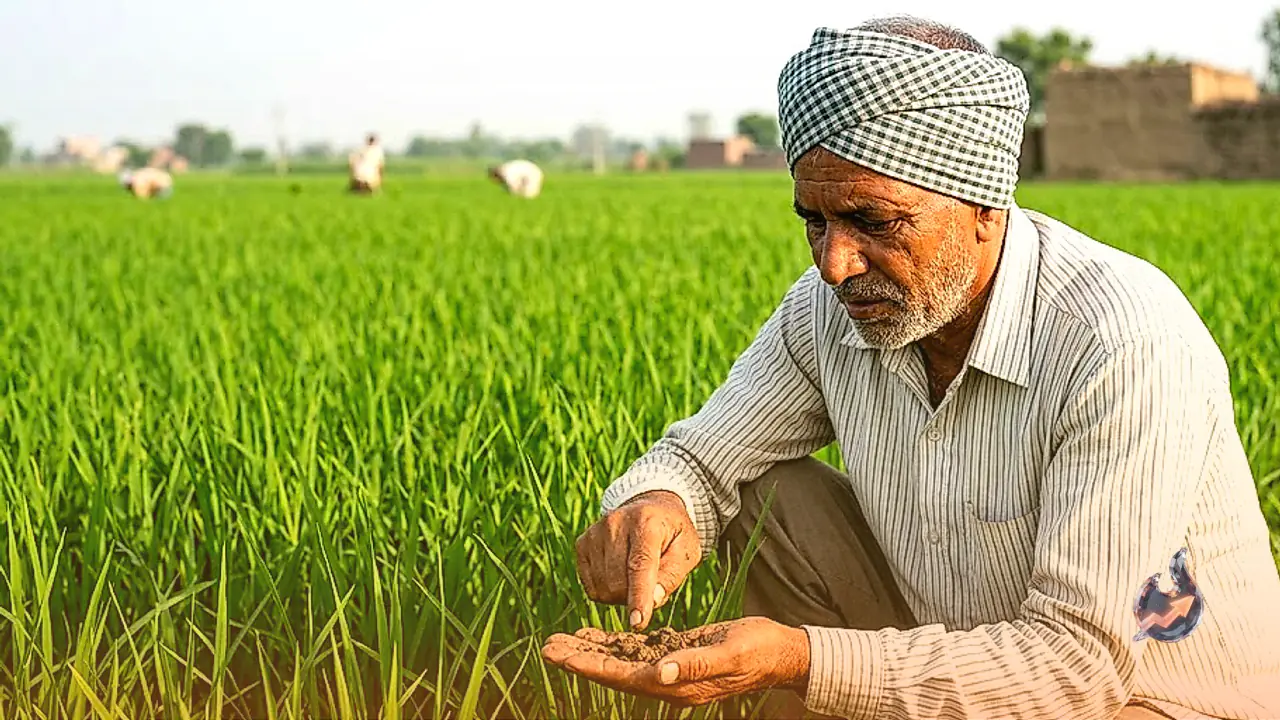






















The arrival of the monsoon season in North India brings both relief and heightened responsibility for paddy farmers. In Deeg village of Faridabad district, Haryana, experienced farmer Mangeram emphasizes that while adequate water is essential during the rainy period, proper regulation of chemical fertilizers is equally crucial for a healthy harvest. With nearly 30 years of hands-on experience in paddy cultivation across the Faridabad belt, Mangeram notes that even a minor oversight in agricultural management can wipe out an entire season's hard work and investment. Although rainfall in the region has been favorable this season, offering hopes of a good yield, he cautions that ignoring basic agronomic rules can quickly turn potential profits into severe losses.
Balanced Urea Dosage and Weather Assessment in Paddy Cultivation
Chemical fertilizers, particularly urea, require careful application during the rainy season. Based on decades of practical farming, Mangeram advises that paddy crops require no more than 1 to 1.5 bags of urea per acre. With each bag weighing 40 kilograms, exceeding this recommended limit can actively harm the crop. A common misconception among farmers is that applying larger quantities of urea will accelerate crop growth and dramatically boost yield. In reality, over-fertilization weakens the natural stamina of paddy plants, making them far more vulnerable to pest infestations and fungal diseases.
On his own land, Mangeram grows high-yielding paddy varieties 1121 and 1509. He highlights that before broadcasting urea, farmers must carefully evaluate current field conditions, including standing water levels, soil moisture, and local weather forecasts. Spreading urea during heavy rainfall or in deeply flooded fields leads to nutrient runoff, wasting expensive inputs without delivering any benefit to the crop's root system.
Yamuna Floods, Canal Shutdown, and the 8 Lakh Rupee Financial Shock
The severe risks inherent in farming are illustrated by Mangeram's experience during the previous agricultural cycle. He manages paddy cultivation across two locations in Faridabad, including a 12-acre parcel situated directly alongside the Delhi-Agra canal irrigation network. This specific 12-acre farm relies entirely on canal water for irrigation, lacking tube-wells or alternative groundwater access.
Last year, when the Yamuna River experienced catastrophic flooding, authorities were forced to halt water discharge into the Delhi-Agra canal. Without canal irrigation for months, the standing paddy crop on his 12-acre land completely dried up and withered away. The disaster resulted in a devastating financial loss of approximately 8 lakh rupees. Out of this total loss, 5.5 lakh rupees represented lease payments owed to the landowner, for which no state compensation was received. The experience underscored how vulnerable farmers remain when single-source irrigation infrastructure fails.
Rising Cost of Cultivation and 600 Rupee Daily Labor Expenses
Modern agriculture faces severe pressure not only from unpredictable weather but also from escalating input costs. Mangeram calculates that cultivating paddy currently demands an average investment of 20,000 rupees per acre. This expenditure covers seed procurement, land preparation, field plowing, irrigation management, and fertilizer application. Beyond material inputs, paddy farming requires substantial manual labor for transplanting, weeding, and harvesting.
Agricultural labor costs in the Faridabad region have risen significantly, with daily wages currently reaching 600 rupees per worker. When unseasonable weather reduces yields or market prices drop, recovering the baseline expenditure of 20,000 rupees per acre alongside daily labor wages becomes an immense financial struggle for farm households.
Crop Monitoring, Drainage Management, and Consulting Agriculture Experts
Regular field inspection remains the most effective defense against crop diseases and yield losses. Mangeram recommends that farmers walk their fields daily to observe plant progress. Early warning signs, such as yellowing leaves or stunted stalk development, require immediate investigation to identify the root cause before damage spreads.
Purchasing unverified chemical pesticides or applying excessive fertilizer doses without technical knowledge can ruin crop health. Mangeram strongly advises farmers to consult officials from the local agriculture department or certified agricultural scientists before buying or spraying plant protection chemicals. Additionally, farmers must maintain clear field drainage channels prior to heavy rainstorms to prevent prolonged waterlogging, which damages root systems.
Will the Next Generation Pursue Farming? Warnings Over Rising Uncertainty
Reflecting on the future of agriculture, Mangeram expressed concern over whether younger generations will choose to stay in farming. Given the combination of rising cultivation costs, weather uncertainties, lease burdens, and inadequate compensation mechanisms during natural disasters, he warns that agriculture is becoming financially unviable for small and tenant farmers. Without structural support, youth will increasingly migrate away from farm operations toward urban employment.
Despite suffering an 8 lakh rupee loss last year, Mangeram remains hopeful for the current season due to favorable rainfall. However, his advice to fellow farmers remains firm: maintain discipline, keep fertilizer and water usage within strict limits, and base every field decision on careful observation rather than guesswork.