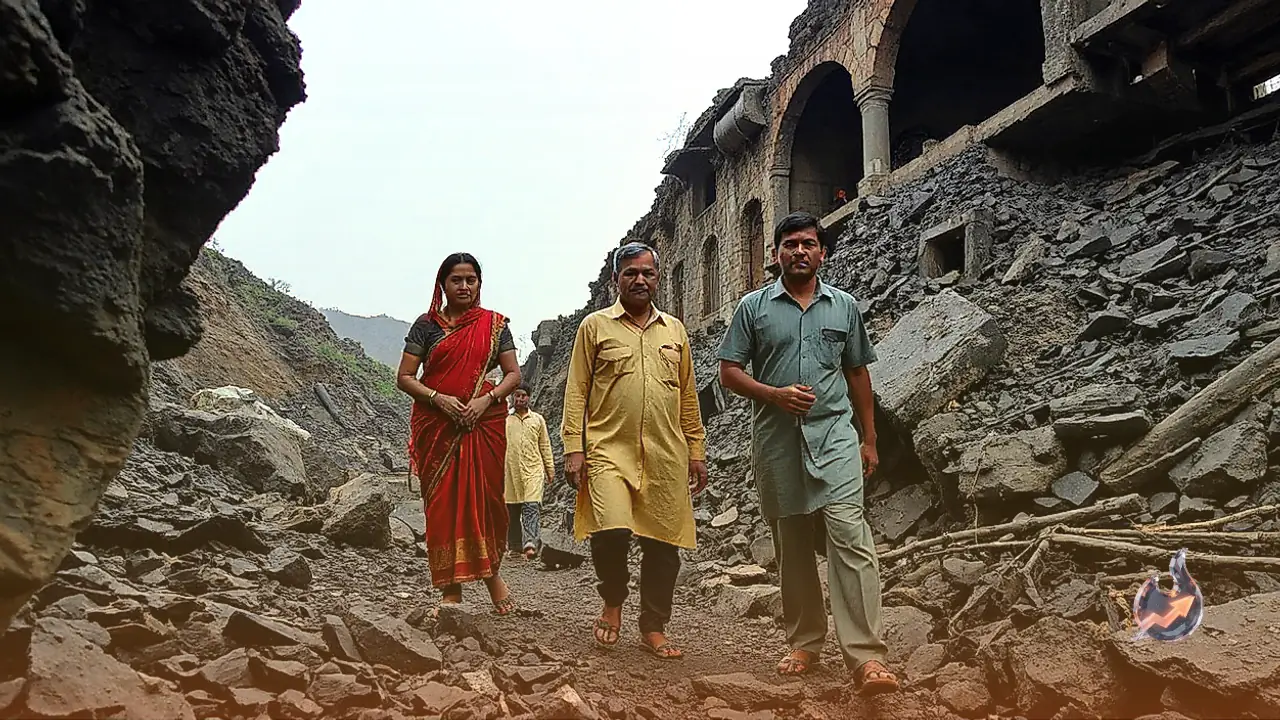



















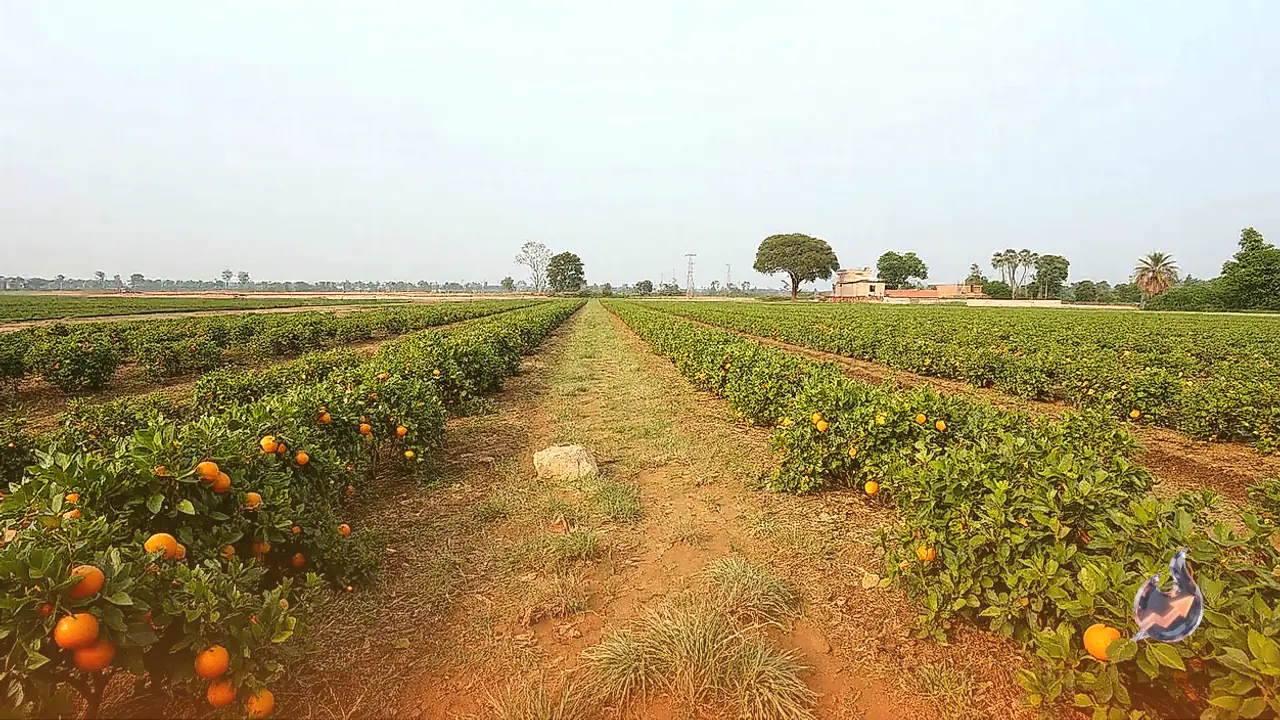

Farmers in the Palamau district of Jharkhand are discovering promising new avenues for income by diversifying from traditional crops into fruit horticulture. Successful trials at the Regional Research Centre in Palamau demonstrate that orange and citrus varieties thrive in local conditions, with research plants already bearing healthy fruit. This development means local agriculturalists no longer need to travel to traditional hubs like Nagpur or Indore to adopt commercial citrus farming. Agricultural experts emphasize that with proper drainage and systematically managed care, orange orchards can yield substantial annual profits for regional growers.
Citrus Cultivars and Climate Adaptation
According to agricultural scientist Dr. Akhilesh Shah, oranges and sweet limes belong to the citrus family, which adapts well to Palamau's specific terrain. Farmers can successfully cultivate varieties such as Nagpur orange, Indore orange, and sweet lime (Mosambi). A notable characteristic of citrus plants is their resilience: once fully established, they can survive short periods of water stress under normal conditions. However, consistent irrigation and routine management remain critical to securing high-quality commercial yields.
Land Selection and Planting Density
Proper field selection is essential when laying out an orange orchard. Land prone to waterlogging must be avoided, making Palamau's well-drained upper ground ideal for cultivation. On one acre of land, approximately 160 plants can be accommodated using a grid spacing of 5×5 meters. The preparation involves digging pits roughly one meter deep, which are then refilled with topsoil mixed with well-rotted cow dung manure and necessary fertilizers prior to planting saplings.
Initial Setup Costs and Drip Irrigation
Establishing a one-acre citrus orchard requires an estimated initial investment ranging between Rs 50,000 and Rs 60,000. This expenditure covers land preparation, pit digging, organic manure, fertilizers, and high-quality saplings. To optimize water usage and maintain steady moisture around root zones, farmers are advised to integrate drip irrigation systems. Drip networks protect against water waste while encouraging uniform plant growth during critical establishment phases.
Yield Projection and Revenue Potential
Field data from the Regional Research Centre recorded yields between 50 kg and 100 kg per mature tree. Based on an average output of 50 kg per tree across 160 trees per acre, a farmer can harvest around 8,000 kg of fruit. Sold at prevailing market rates of Rs 50 to Rs 60 per kilogram, this volume translates to gross earnings of Rs 4 lakh to Rs 5 lakh per acre.
Fruiting Timeline and Focus Clusters
While orange saplings may begin bearing initial fruit by the third year, reaching full commercial productivity generally requires a timeline of up to five years. During the initial years, careful attention must be given to irrigation, pruning, and plant protection. Within Palamau, areas such as Chiyanki, Patan, Satbarwa, and Chainpur have been identified as key clusters holding high potential for expanding citrus horticulture.