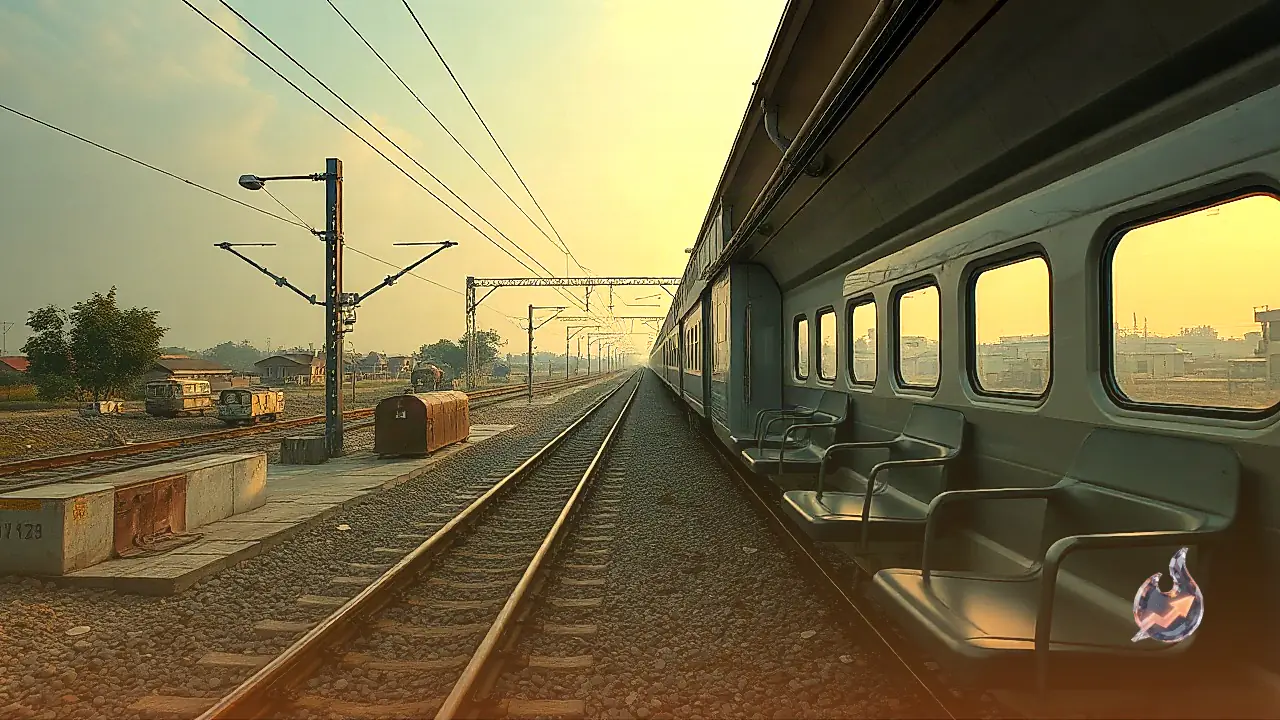




















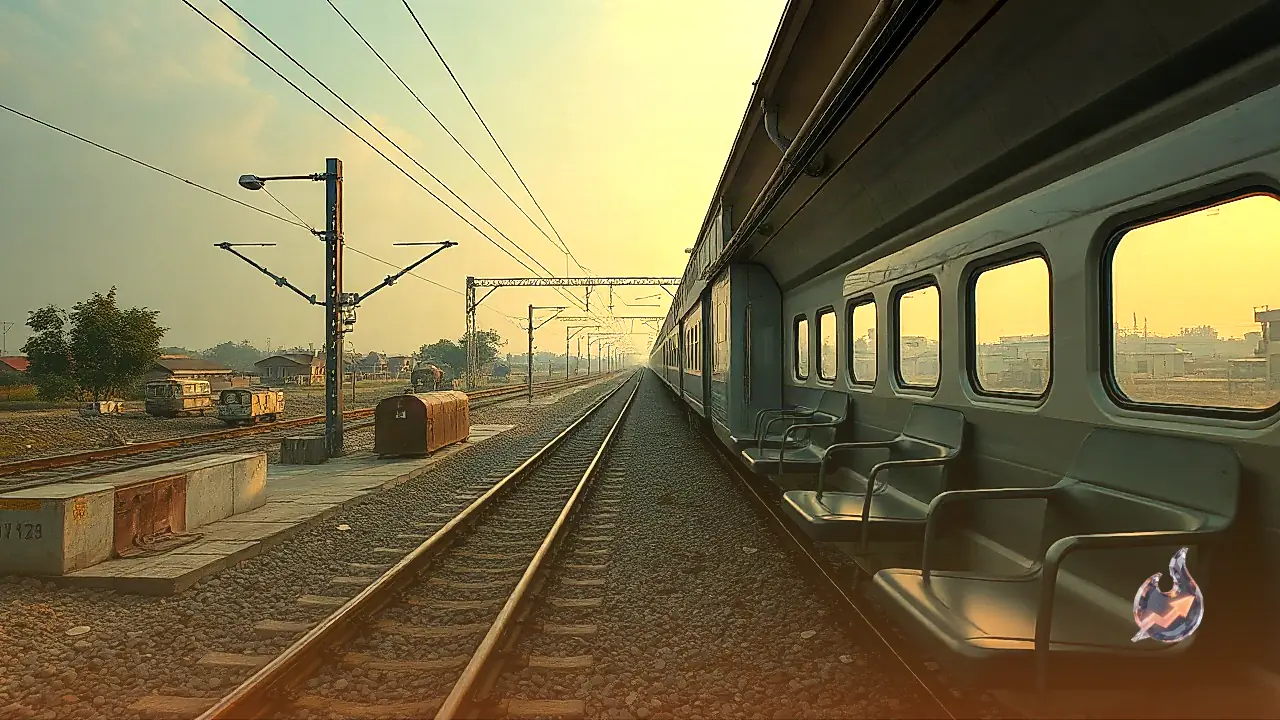

India's maiden hydrogen train, flagged off with much enthusiasm from Jind in Haryana, is currently witnessing a remarkably poor passenger turnout. The historic service commenced its operations on July 17, marking a major milestone for the region. However, public interest has dipped significantly since the launch, with the train now recording an average of only 80 passengers per day, falling drastically short of its total seating capacity of 2600 passengers.
Route Details and Operational Schedule
Recognized globally as one of the longest and most powerful hydrogen-powered trains, it operates six days a week. The service runs along an 89-kilometer-long rail corridor connecting Jind, Gohana, and Sonipat. According to official railway records, during the one-month period spanning from July 20 to August 20, the train operated on 26 days with a daily average of merely 80 commuters. The grand inauguration of this landmark service took place on July 17 at the Pandu-Pindara station in Jind.
Passenger Statistics and Proposed Route Extension
A detailed look at the monthly data from July 20 to August 20 reveals that 507 passengers traveled from Sonipat to Gohana, while 538 commuters journeyed towards Jind. A matching number of travelers used the train in the reverse direction from Jind to Gohana and Sonipat. Throughout the entire month, the train failed to come anywhere close to touching its full seating capacity of 2600 people. To combat this persistent lack of ridership, railway officials are now actively exploring plans to extend the existing Jind-Gohana-Sonipat route all the way to Delhi.
Technical Trials and Station Infrastructure
Ongoing technical trials are currently underway to improve the operational speed and extend the running distance of the hydrogen train. Future decisions regarding the service will depend heavily on the successful completion and reporting of these trials, with a route extension likely to be implemented soon. Meanwhile, several halting stations constructed along the Sonipat-Gohana route for passenger convenience remain entirely deserted. Stations such as Rabra, Lath, and Barwasni lack basic ticket-purchasing facilities, and the railway administration has not deployed any ticketing staff at these three locations. Among the stops between Sonipat and Gohana, only Mohan station currently features a functional ticketing setup, where the train halts for a brief duration of one to two minutes. Notably, the fare structure for this innovative service remains highly affordable, with ticket prices starting at a minimum of five rupees and capped at a maximum of 25 rupees.