

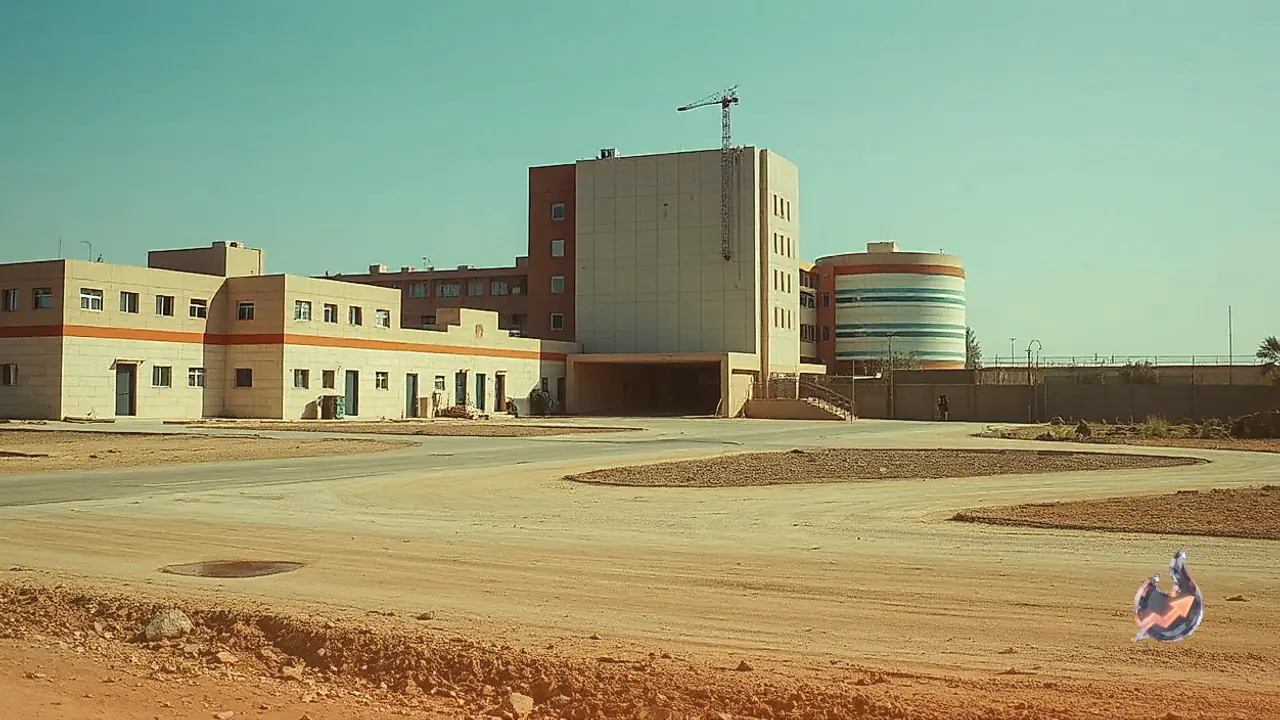














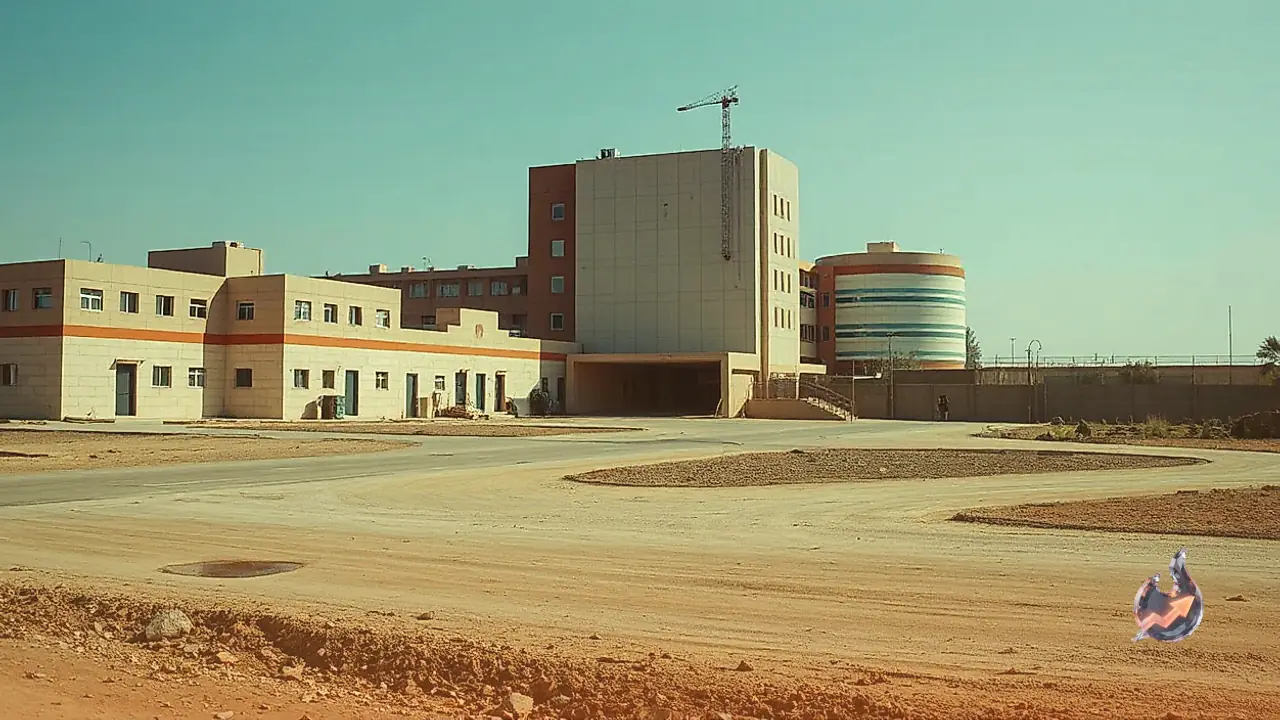

A severe civic lapse has come to light at the Civil Hospital in Sohna, exposing administrative neglect within local healthcare infrastructure. Despite operating for nearly half a century, the medical centre has never been connected to the municipality's primary underground drainage network. Consequently, wastewater generated across the entire medical facility discharges directly into three large pits dug within the hospital premises, causing recurring sanitation troubles on the grounds.
Hundreds of Patients Face Infection Hazards Daily
Between 600 and 700 patients visit the hospital outpatient department every day seeking medical treatment. A large gathering of caregivers, relatives, doctors, and auxiliary staff accompanies them throughout the day. When these underground pits reach capacity and foul water threatens to spill over, the entire area faces heightened hazards of waterborne contamination and air pollution. Maintaining sterile, hygienic surroundings remains vital for any healthcare institution, yet visitors here are routinely subjected to repulsive odors and unsanitary conditions.
Public Exchequer Drained Every Ten Days for Private Tankers
Because the complex lacks a direct municipal outlet, the hospital administration must resort to makeshift arrangements to avoid overflows. Every 10 days, private suction tankers must be dispatched to pump the accumulated wastewater out of the three pits. The recurring expenses for hiring these tankers are paid entirely from the health department's designated government budget. Taxpayer money that could strengthen core healthcare services is instead drained continuously to pay for an emergency stopgap that should have been permanently resolved decades ago.
Building Inaugurated in 1976 Still Awaits Essential Civic Connection
The facility holds a long institutional history, having been officially inaugurated on 22 March 1976 by then Chief Minister Banarsi Das Gupta. Close to five decades have elapsed since that ribbon-cutting, yet fundamental municipal integration remains unaddressed. Even as urban growth transformed surrounding neighbourhoods, the healthcare center was left reliant on outdated waste management, underscoring an absence of long-term planning and coordination across state and civic departments.
Administrative Red Tape Stalls Lasting Solutions
Efforts to resolve the stalemate have been initiated locally without securing the needed outcome. Senior Medical Officer Dr. Ranvijay Singh has dispatched official documentation and formal proposals to concerned municipal and development departments on multiple occasions, urging them to link the facility to the trunk line. Despite these representations, authorities have taken no decisive field action, keeping the hospital dependent on recurring tanker operations while exposing public funds to ongoing losses.