
















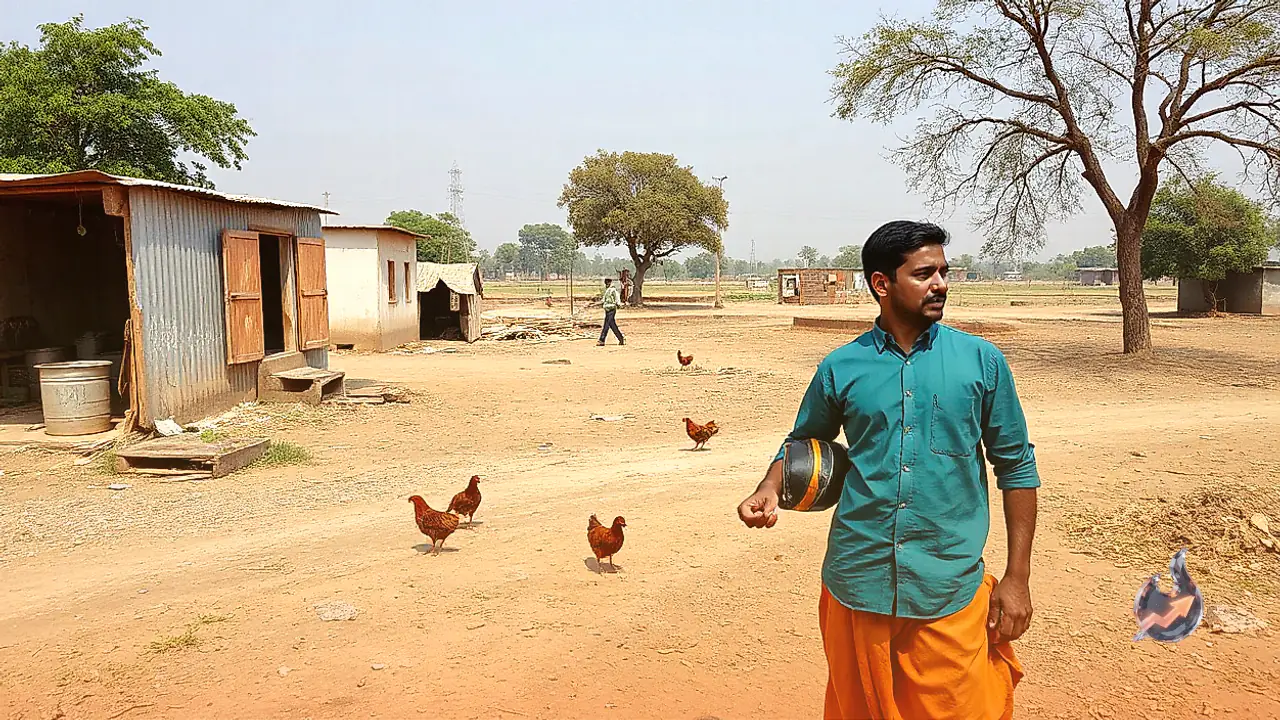

Rural entrepreneurship is creating reliable livelihoods across India, with young farmers transforming traditional animal husbandry into highly structured businesses. In Araria district of Bihar, a venture run by two brothers demonstrates how modern poultry farming can generate substantial household income. Operating from Jaynagar village in the Bhargama block, Ashish Kumar Jha and his brother established a poultry farm that now produces 10 lakh to 12 lakh rupees, touching between 12 lakh and 15 lakh rupees in yearly returns. Running the operation for around five to six months, the duo has built a profitable enterprise right from their native village.
Sourcing Strategy and Direct Local Distribution
A crucial factor behind the venture's financial viability is its organized supply and sales network. The brothers procure batches of 5,000 birds at a time from Triveniganj, located in the neighboring Supaul district. Once raised at their Jaynagar facility, the livestock is supplied directly to neighborhood retailers who visit the farm in person to make their purchases. The live birds are sold to these local merchants at wholesale rates ranging between 110 and 140 rupees per kilogram. By dealing directly with store owners on site, the business avoids marketing overheads and middleman margins.
Land Requirements and Housing Infrastructure
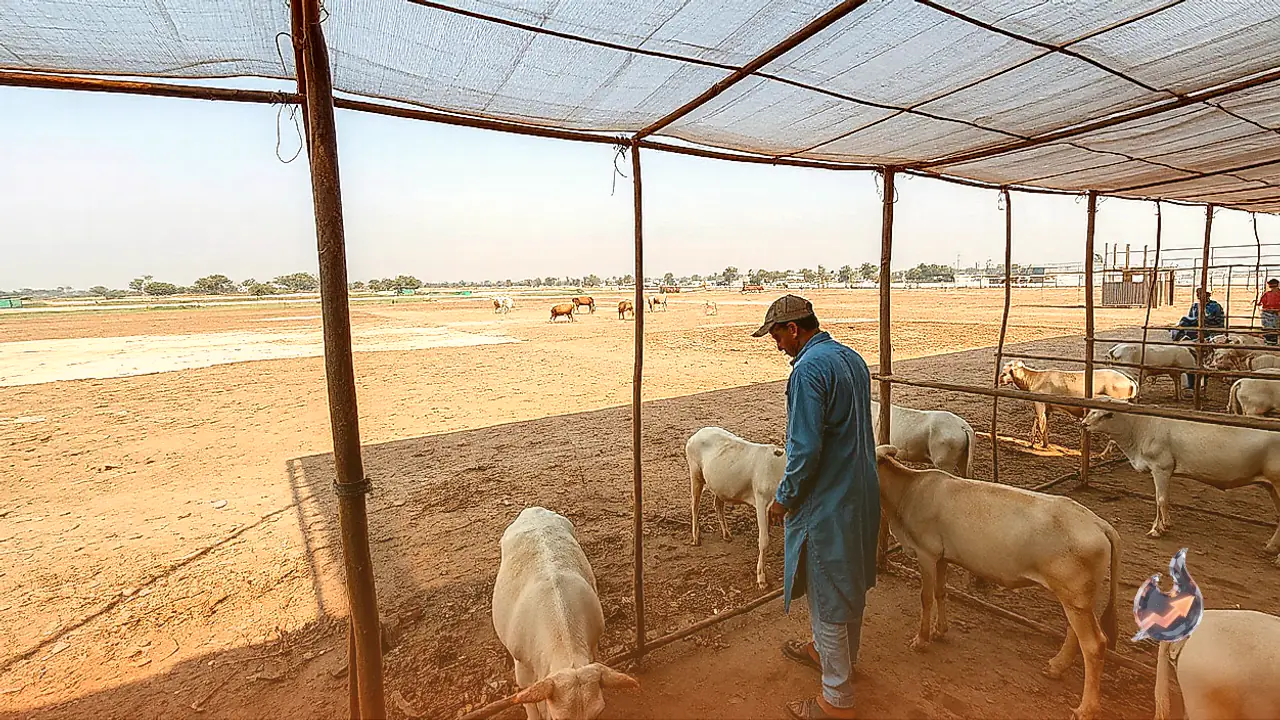
Poultry management remains an accessible agricultural trade because it does not demand extensive acreage to begin. A secure and open area spanning between 150 and 300 feet in size is sufficient to construct a standard shed. This footprint allows adequate airflow, sufficient light, and essential disease prevention measures required for maintaining flock health. With systematic maintenance and hygienic conditions, an enterprise of this scale can successfully rear large batches within a compact rural plot.
Dual Cash Flow from Broilers and Winter Egg Sales
The farm benefits from two distinct revenue channels across the year. The primary earnings arrive from the direct sale of mature chickens to meat vendors, ensuring continuous turnover through sequential cycles. In addition, the arrival of the winter season provides a boost through elevated local demand for eggs, which sell readily in nearby markets. Generating revenue throughout all 365 days of the year, this commercial model has spurred fresh interest among rural youth in Araria who are seeking self employment opportunities close to home.