





















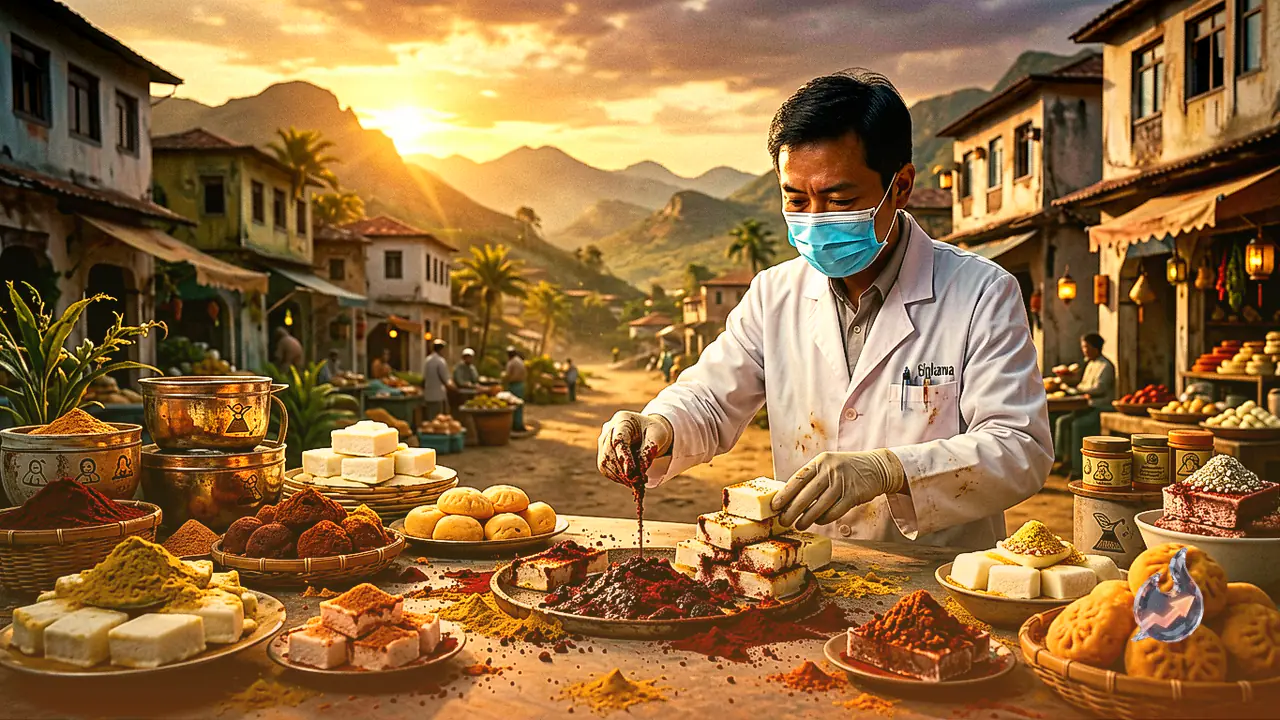

With the arrival of the festival season, markets across the region get filled with colorful and enticing displays of traditional sweets. While the bright presentation of these festive treats naturally attracts buyers, a severe health hazard often lurks behind their glossy appearance. Dr. Jitendra Verma, an Ayurvedacharya stationed at the Civil Hospital in Ambala Cantt, has issued a comprehensive health advisory urging the public to maintain strict dietary discipline during festivities. He warned that sweets prepared using adulterated mawa, fake cottage cheese, and excessive synthetic dyes can quickly turn festive celebrations into acute health emergencies.
Impact of Seasonal Transition and Ritu Sandhi on Human Health
Fluctuations in weather conditions directly affect the human immune system and digestive capacity. During the rainy season, temperatures fluctuate unpredictably. Alternating spells of rainfall, sudden heat, and high humidity weaken the body's natural defenses, leading to a rise in viral infections and seasonal disorders. In Ayurvedic medicine, this period of seasonal change is termed Ritu Sandhi, which signifies the transition phase between two climatic seasons. Maintaining strict dietary precautions for approximately 15 days before the end of one season and 15 days into the start of the next season helps protect the body from seasonal ailments.
Hazards of Synthetic Food Dyes and Natural Kitchen Alternatives
Demand for sweets featuring intense shades of red, yellow, and green rises significantly during festive celebrations. Although these colorful sweets appear visually appealing, the synthetic chemical dyes used to color them can be extremely damaging to internal organs. Consumers are advised to minimize their reliance on commercially produced colored sweets. Preparing traditional sweets at home using pure ingredients remains the safest alternative. If adding color to homemade sweets is required, natural saffron should be used instead of artificial food dyes. Saffron imparts a rich natural hue while enhancing both flavor and health benefits.
Checking Quality of Commercial Sweets and Spotting Adulterated Mawa
For individuals who must purchase sweets from commercial markets, petha offers a relatively safer dietary choice compared to heavy dairy sweets, provided it contains no added artificial coloring. Buyers should evaluate sweets based on raw ingredient quality rather than surface shine or vivid colors. During peak festival sales, the market experiences a surge in adulterated mawa characterized by an unnatural, bright white appearance. Abnormally white mawa carries a high likelihood of chemical adulteration. Therefore, dairy products and mawa-based sweets should strictly be sourced from reputed and established vendors.
Specific Dietary Guidelines for Diabetic Individuals
People living with diabetes must exercise extra vigilance during festival gatherings. Diabetic individuals are strongly advised to abstain from commercial sweets that contain heavy refined sugar and high calorie density. When craving sweets during celebrations, sugar-free homemade options should be chosen instead. Home-prepared unsweetened mawa or sugar-free milk barfi provides a much safer alternative than heavily sweetened commercial products. However, diabetic patients must still regulate their portion sizes and consult their attending physicians based on individual blood glucose levels.
Rise in Post-Festival Hospital OPD Visits for Digestive Disorders
Hospital outpatient departments consistently report a noticeable surge in patients complaining of acute gastrointestinal distress and digestive issues immediately following major festivals. Overindulgence in fried foods and excessive sweet consumption during celebrations frequently disrupts gut health. Restricting outside food, consuming freshly cooked meals, and strictly limiting daily sweet intake are critical preventive steps. Prioritizing health over momentary taste ensures that festive joy remains unmarred by avoidable medical complications.