





















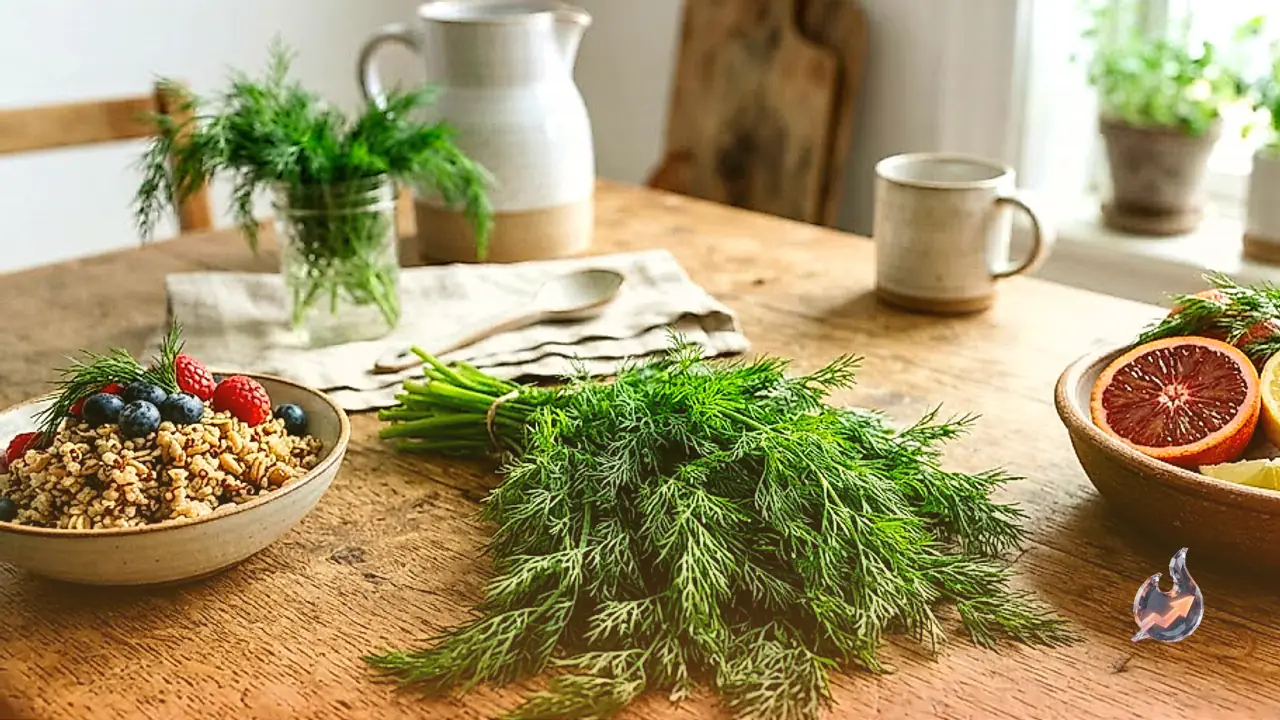

Widely treated as an aromatic garnish to lift everyday kitchen recipes, dill leaves deliver deep nutritional value that extends far beyond simple seasoning. While home cooks frequently drop them into soups, curries, or breads purely for their fragrant taste, this leafy green functions as a potent therapeutic vegetable. Packed with essential vitamins, minerals, and plant-derived micronutrients, dill supports foundational health by reinforcing internal defenses against various chronic physical complaints.
Promoting Smooth Digestion and Gut Comfort
The fresh foliage of dill contains substantial dietary fiber, a compound vital for maintaining regular gastrointestinal motility. By adding necessary bulk to the digestive tract, it facilitates seamless food transit and improves overall nutrient processing within the stomach and intestines. People dealing with recurrent digestive sluggishness or erratic bowel habits can gain steady relief by making these fresh leaves a routine part of their meals.
Beyond the tender green sprigs, dill seeds have long served as a dependable traditional home remedy for digestive distress. Conditions such as trapped gas, painful constipation, hyperacidity, and chronic indigestion respond well to their carminative properties. Stirring dill into simmering lentil pots, mixed vegetable stews, or clear broths offers a practical way to keep everyday gastrointestinal trouble at bay.
Bolstering Immunity Through Vitamin C and Antioxidants
Maintaining a sturdy immune defense is crucial for protecting against seasonal chills, sudden temperature shifts, and circulating infections. Dill stands out as an excellent dietary supply of vitamin C, an essential water-soluble nutrient directly responsible for powering immune responses. A consistent intake of this vitamin helps white blood cells function effectively against invading pathogens.
In tandem with vitamin C, the powerful antioxidant compounds present in dill guard cellular structures against oxidative degradation. By neutralizing destructive free radicals before they damage healthy cells, these botanical compounds help slow down premature signs of cellular aging. This protective action ensures that vital bodily tissues retain their resilience and vitality over time.
Cardiovascular Support and Skeletal Health
Dill provides a valuable supply of potassium, a mineral critical for proper muscle contraction and heart regulation. Potassium plays a primary physiological role in counterbalancing sodium, thereby preserving fluid harmony across cells and managing blood pressure levels. Consuming potassium-rich vegetables keeps arterial walls relaxed, reducing strain on the heart muscle during daily circulation.
The green herb also contributes calcium to the daily diet, aiding in the continuous upkeep of bone strength. Because the calcium concentration in dill leaves is relatively modest, relying entirely on them for skeletal density is not recommended. Pairing dill with conventional calcium-dense foods such as milk, curd, and sesame seeds creates a comprehensive dietary framework that safeguards long-term bone durability.
A Low-Calorie Asset for Weight Management
Individuals striving to manage their body weight often struggle to identify foods that provide satiety without loading the plate with excessive energy. Dill leaves serve as an ideal choice for this purpose, given their exceptionally low calorie count. They allow individuals to enjoy satisfying meal portions, abundant micro-nutrition, and savory depth without exceeding daily energy allowances.
Incorporating finely chopped dill into lightly sautéed vegetable dishes, plain lentils, or fresh salads enhances flavor without requiring heavy cooking fats or creamy dressings. This simple addition transforms modest meals into well-rounded, nutrient-rich dishes that keep appetite satisfied during active weight reduction routines.
Fostering Skin Elasticity and Natural Radiance
The nutritional profile of dill also yields tangible improvements in dermal appearance. Its rich concentration of vitamin C drives the biological synthesis of collagen, the fibrous structural protein responsible for firm, supple, and resilient skin. Healthy collagen production prevents premature sagging and helps sustain natural skin glow. Incorporating this vibrant green vegetable into everyday nutrition represents a practical, wholesome path toward sustained vitality.