






















Difficulty in bowel movements, hardening of stool, and spending long hours in the restroom are common signs of constipation. When these symptoms persist over a long period, they can lead to abdominal heaviness, excessive gas, and overall discomfort. To overcome constipation, experts frequently recommend increasing daily fluid intake and boosting dietary fiber.
Role of Fiber Supplements
Along with dietary adjustments, people often turn to remedies like Isabgol and chia seeds. Both options are packed with fiber and can assist in facilitating smoother bowel movements. However, a common question arises regarding whether both remedies deliver identical results or if one outperforms the other. Additionally, specific precautions must be observed while consuming them to ensure safety and effectiveness.
How Isabgol Relieves Constipation
Isabgol, known as psyllium husk, contains high amounts of soluble fiber. It absorbs water inside the digestive tract and transforms into a gel-like consistency. This process softens the stool and makes elimination much easier. For individuals whose regular diets lack adequate fiber content, Isabgol serves as a highly useful supplement.
Nutritional Value of Chia Seeds
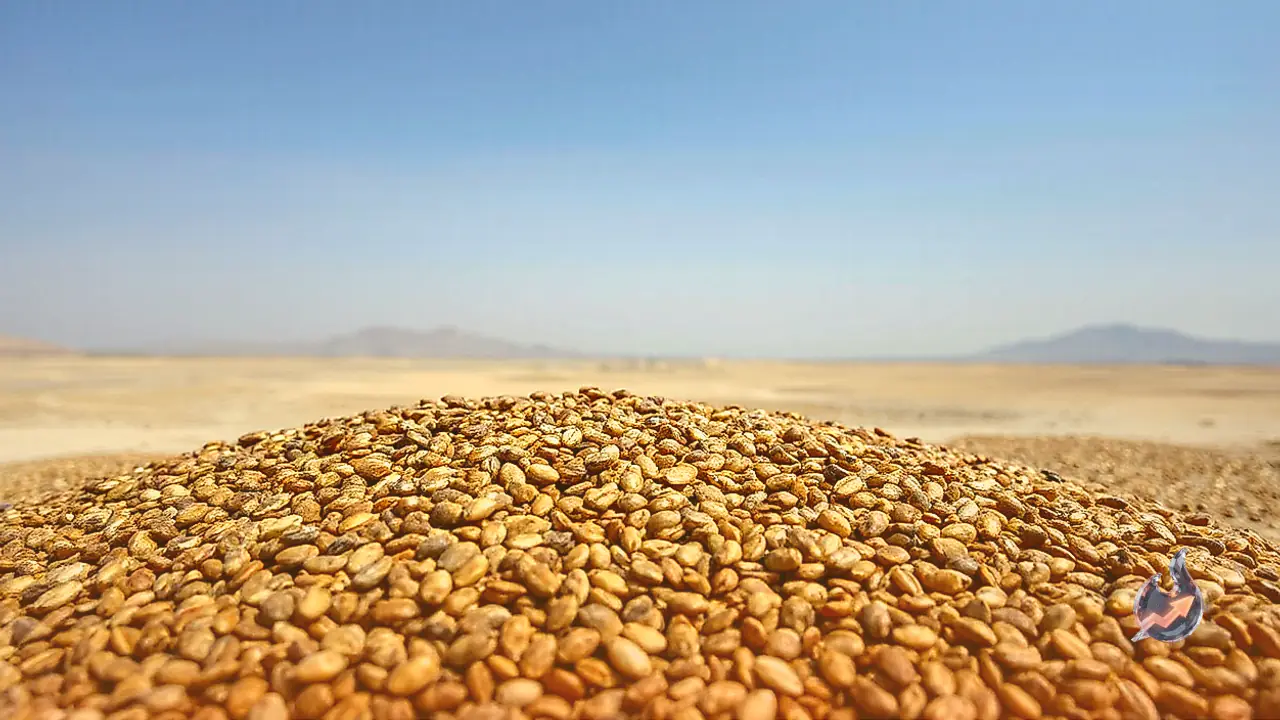
Despite their tiny size, chia seeds are a powerhouse of fiber, omega-3 fatty acids, protein, and essential minerals. When soaked in water, they expand and develop a gelatinous outer layer. They can easily be incorporated into yogurt, oats, smoothies, or fruit bowls. Consuming them helps boost overall dietary fiber and contributes to regular bowel habits.
Comparing Effectiveness
When the primary goal is finding relief from constipation, Isabgol is often considered the superior option. On the other hand, chia seeds work wonderfully as a daily addition to enhance overall fiber intake. The effectiveness of both remedies ultimately depends on an individual's diet, hydration levels, and the underlying cause of constipation.
Proper Consumption Guidelines
When taking Isabgol, it should be mixed thoroughly into a full glass of water and consumed immediately according to package instructions. It must never be swallowed dry, because it expands rapidly upon contact with moisture and poses a choking hazard. Anyone taking regular medications should consult a doctor before adding Isabgol to their routine.
Conversely, chia seeds should always be soaked in adequate water and allowed to swell before eating. Eating them dry and drinking water afterward should be avoided. Beginners should start with a small quantity and gradually increase it to prevent digestive issues like bloating or gas.