

















The monsoon brings welcome relief from the heat, but it also quietly raises several health risks. Humidity levels in the air climb sharply during this season, and that moisture creates near perfect conditions for bacteria, fungus and other microorganisms to multiply. Doctors and health experts routinely advise extra caution with food during these months, largely because of certain everyday vegetables that are better eaten in limited amounts, or avoided altogether for now.
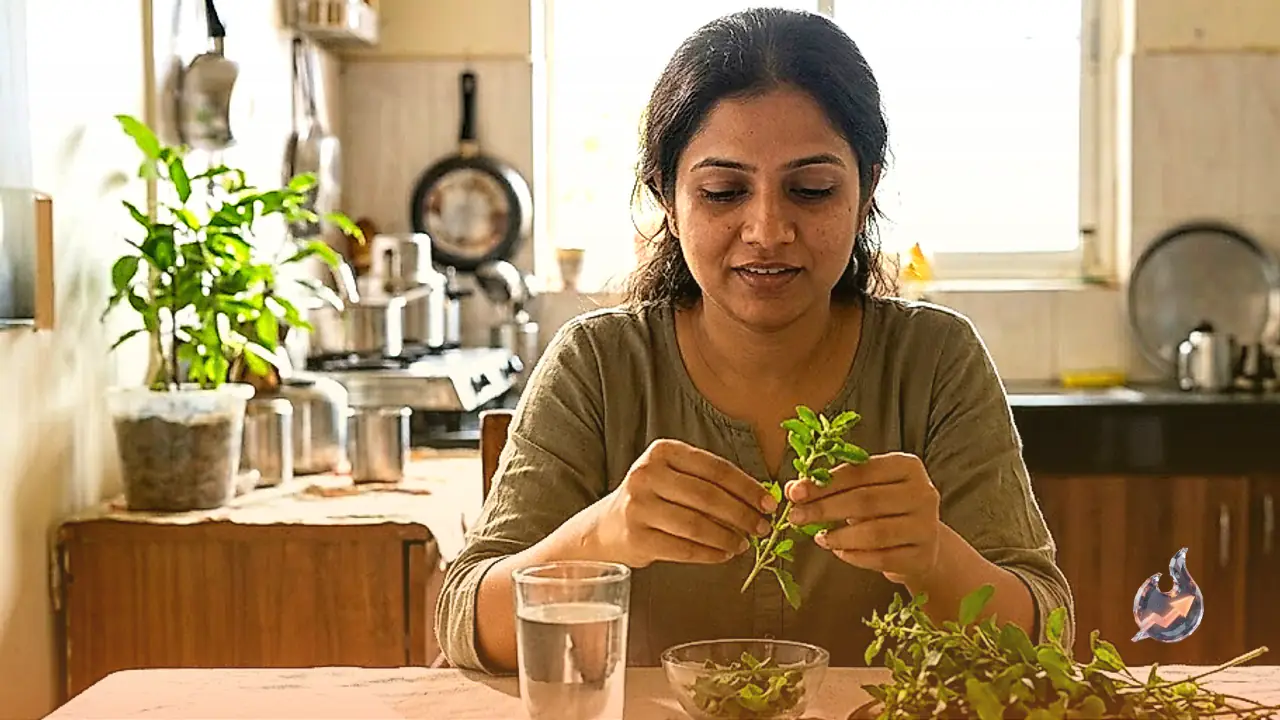
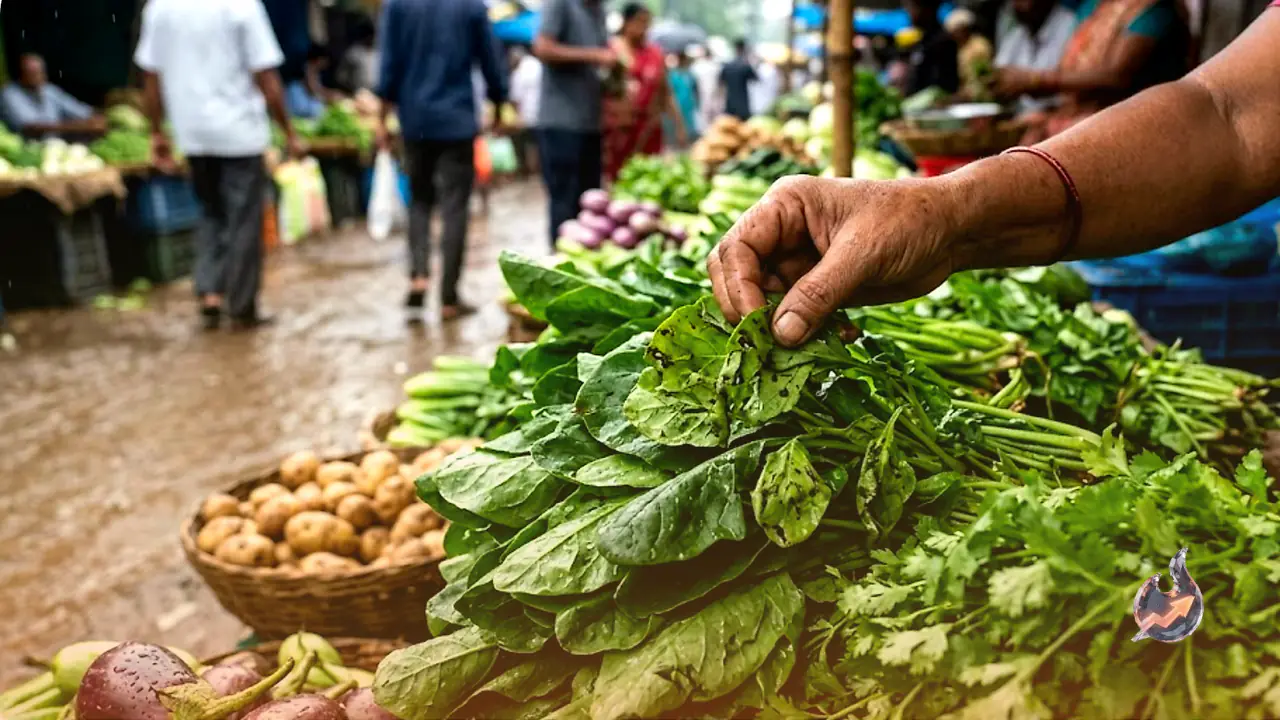
Start with leafy greens. Spinach, fenugreek leaves, mustard greens, bathua, chaulai and cabbage all come into direct contact with rainwater and soil during the monsoon. That contact lets insects and bacteria cling easily to their leaves. If these greens are not washed thoroughly, the result can be stomach infections, diarrhoea and food poisoning.
Cauliflower and cabbage trap moisture between their layers
Cauliflower and cabbage are built with multiple layers stacked one over another. Moisture gets trapped between those layers, and small insects can hide there unnoticed from the outside. These vegetables also spoil faster than usual during the rainy months. Any lapse in cleaning them properly raises the chance of infection.
Extra caution needed while buying mushrooms
Mushrooms already grow in damp conditions, so their quality is even more likely to be affected during the monsoon. Mushrooms sold in the market can spoil quickly in this weather, and eating old or spoiled mushrooms can trigger stomach pain, vomiting and digestive trouble. It is advisable to use only fresh mushrooms bought from a reliable source.
Brinjal can hide insects that are invisible from outside
Insect infestation in brinjal becomes common during the rains. The tricky part is that a brinjal can look perfectly fine and fresh on the outside while insects are present inside. That makes it important to be careful both while buying brinjal and while cutting and cooking it.
Salad vegetables eaten raw carry added risk too
Cucumber, tomato, radish and carrot are usually eaten raw as salad. During the monsoon, the risk of bacteria and dirt collecting on them increases further. Eating them raw without washing thoroughly can raise the chances of a stomach infection. It is better to clean them thoroughly before eating, or to cook them lightly instead of eating them raw.
Why vegetables spoil faster during the rains
The combination of humidity and temperature during the monsoon creates an environment that is ideal for microorganisms to thrive. Waterlogged fields, wet soil and the added moisture picked up during transport can all contaminate vegetables faster than they would in normal weather. That is precisely why food hygiene needs special attention during the monsoon months.
Which vegetables remain relatively safe this season
Not every vegetable needs to be avoided. Bottle gourd, ridge gourd, sponge gourd, parwal, pumpkin, bitter gourd and okra are considered relatively safe to eat during the monsoon. Even so, it remains important to wash and cook them thoroughly, since that is what keeps the associated risk low.