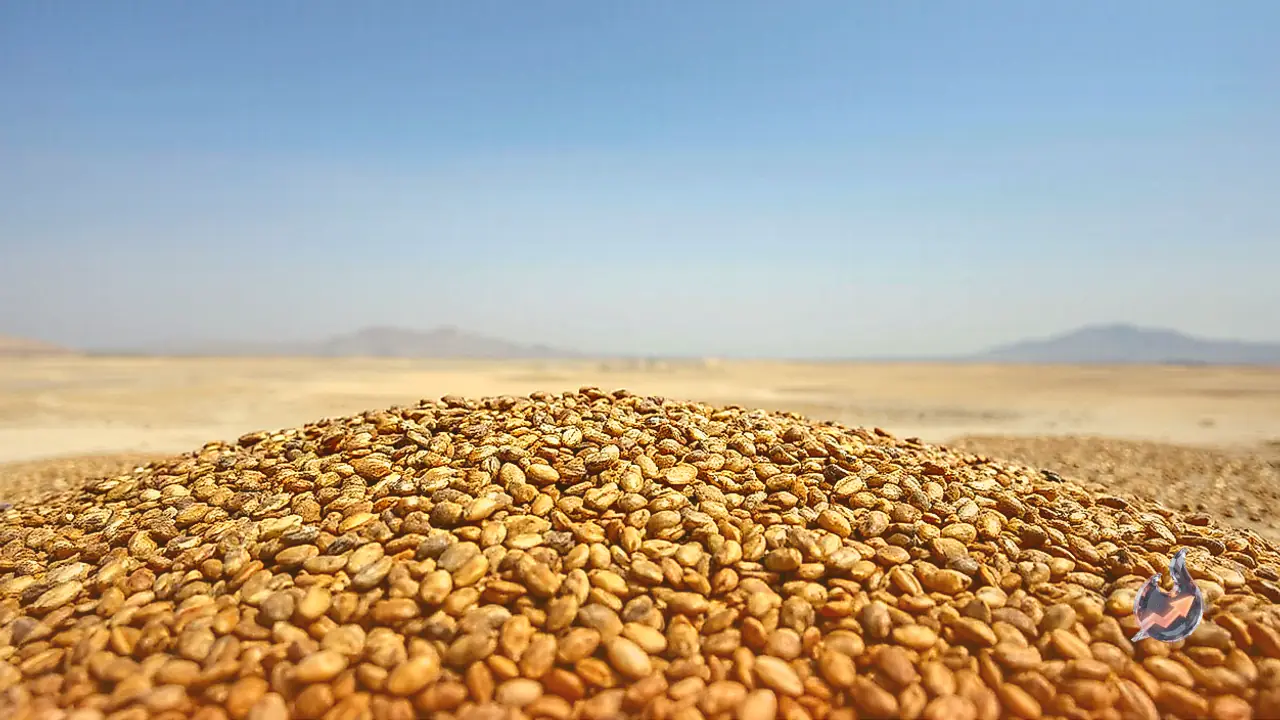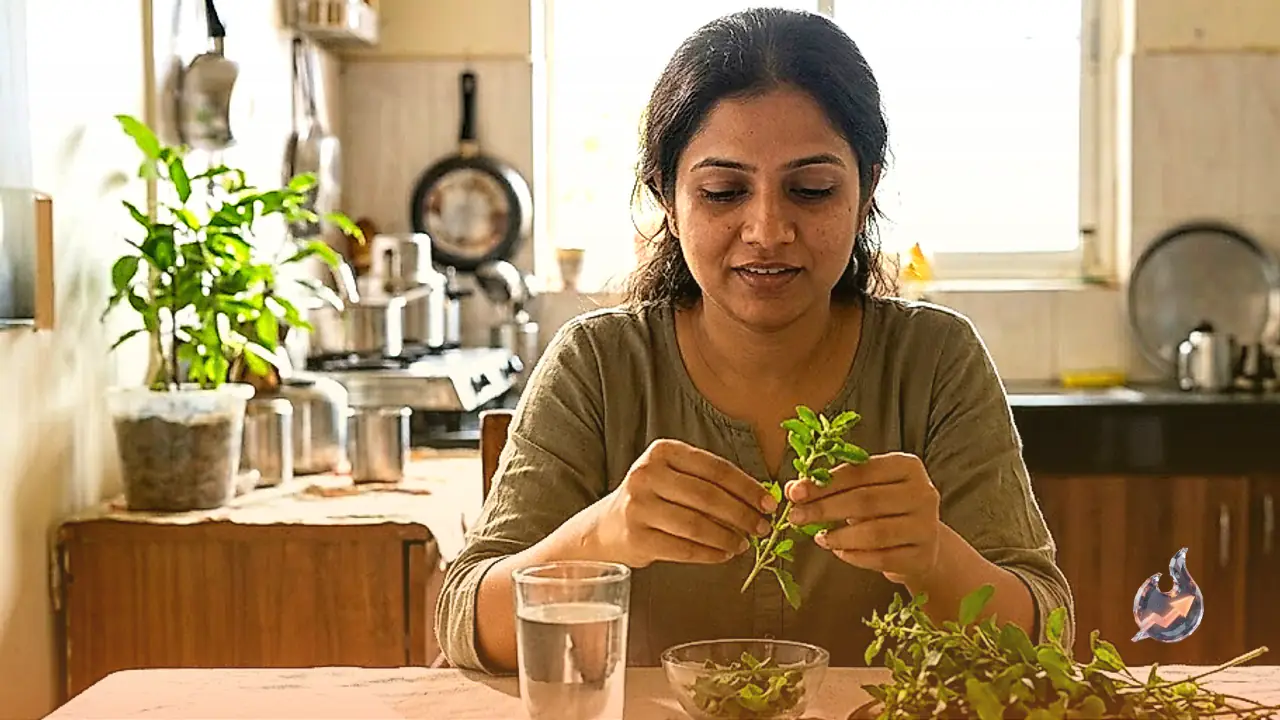























In traditional Indian households, fenugreek is valued far beyond its ability to enhance the flavor and aroma of daily meals. People consume both the fresh green leaves and the dried seeds in a variety of culinary preparations. Because these parts are naturally rich in fiber, iron, magnesium, and other essential nutrients, fenugreek has remained a cornerstone of traditional diets for generations.
Supporting Digestive Health Naturally
Fenugreek can be easily incorporated into daily meals through sabzis, parathas, dals, or as a tempering spice. However, maintaining balance is key, as moderation ensures optimal well-being. The high fiber content found in fenugreek plays a vital role in keeping the digestive system functioning smoothly. Eating it regularly and in controlled quantities helps alleviate common issues like constipation. Dietary fiber assists in keeping bowel movements regular, making fenugreek a highly useful food for individuals whose diets otherwise lack sufficient fiber.
Managing Blood Sugar and Iron Levels
Dr. Shekhar Vaisakh noted that fenugreek seeds contain soluble fiber and specific compounds that can influence how rapidly blood sugar rises after a meal. For this reason, the seeds have traditionally been utilized to assist with blood sugar management. Nonetheless, individuals who are currently taking diabetes medications should consult a healthcare professional before adding fenugreek to their routine. Additionally, fresh fenugreek leaves supply valuable nutrients including iron, which is critical for producing red blood cells and hemoglobin, making leafy greens a smart nutritional addition to any balanced diet.
Dietary Uses and Important Precautions
Fresh fenugreek leaves are commonly used to cook vegetables, flatbreads, dals, or traditional greens, while the seeds function as a flavorful spice in various recipes. Some individuals prefer soaking the seeds overnight before eating them, though excessive consumption should always be avoided. It is essential to remember that while fenugreek is a nourishing food, it is never a substitute for medical treatment or prescribed medication. Pregnant women, individuals taking medication for diabetes, and anyone dealing with specific health conditions must consult a doctor or dietitian before consuming fenugreek in large quantities or on a regular basis.