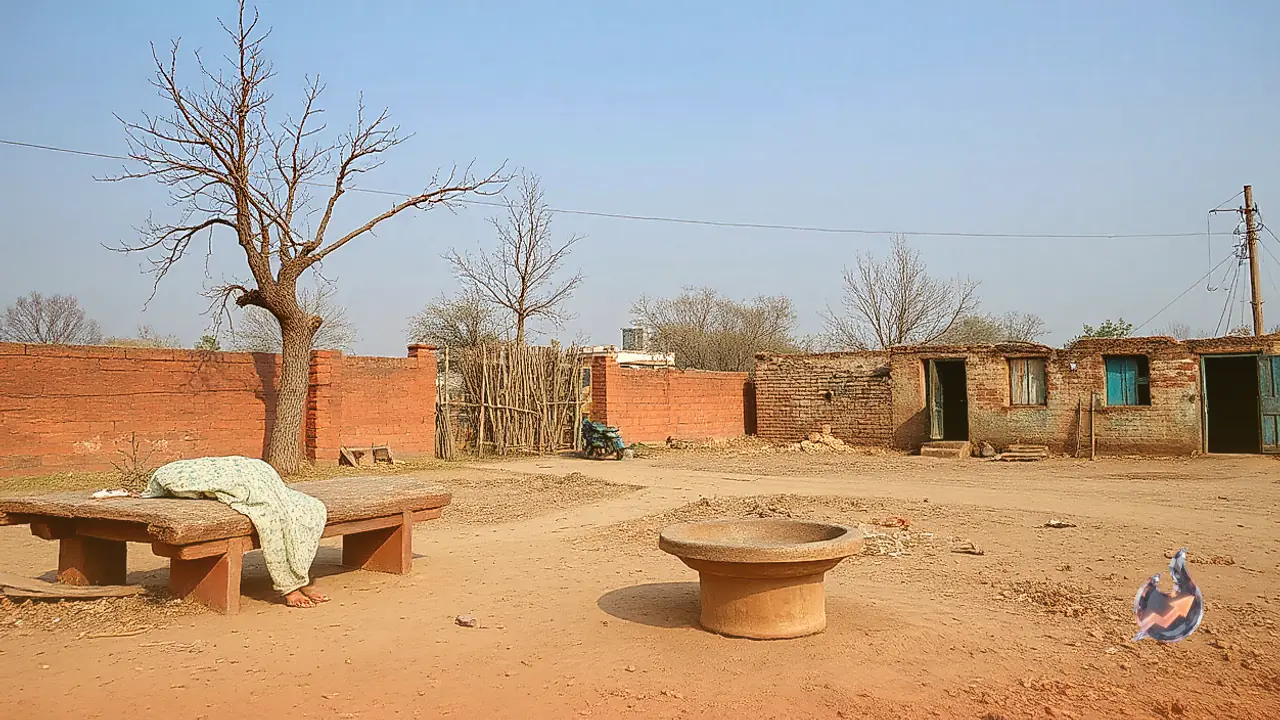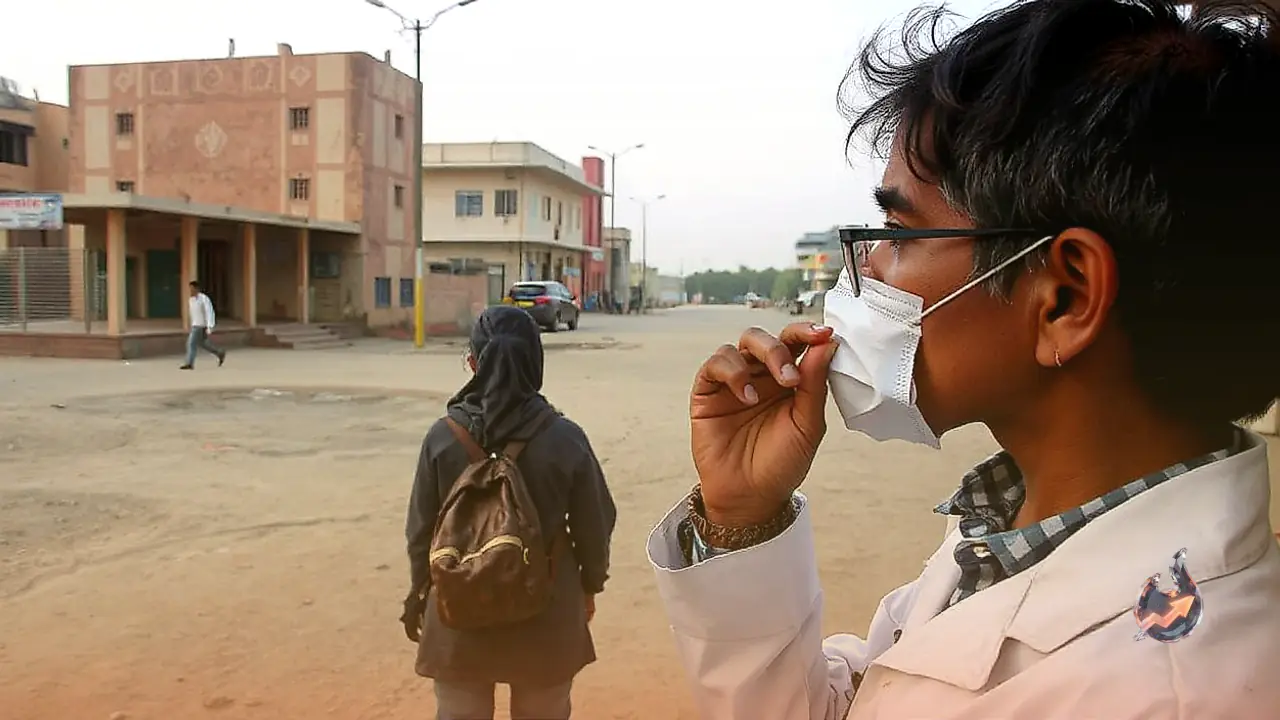























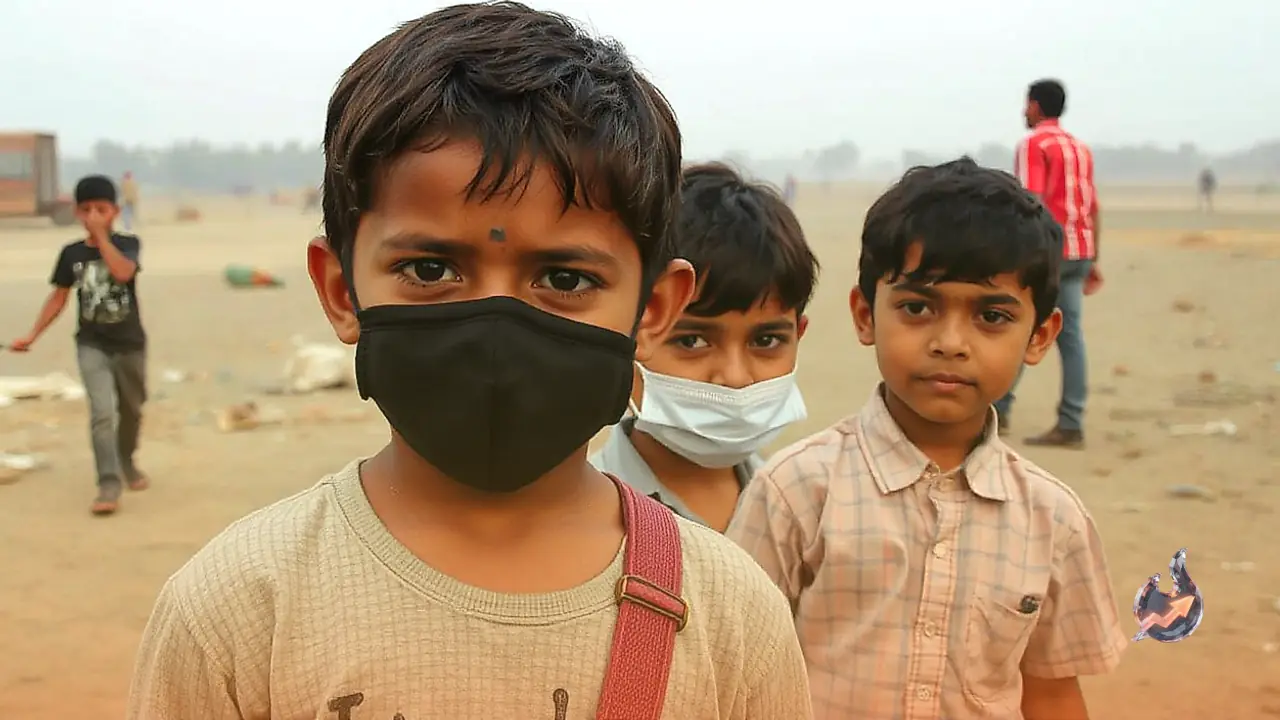

A thick blanket of heavy smog and toxic pollution has enveloped multiple areas across Delhi and the National Capital Region. Air Quality Index readings have crossed the severe 400 mark in several pockets, presenting grave health hazards for adults and posing an even deeper threat to the respiratory health of young children. During this winter period, the combination of chilly air and concentrated airborne pollutants is driving a sharp rise in complaints of persistent coughing, severe chest congestion, and shortness of breath among younger age groups. Medical specialists have emphasized that respiratory warning signs must not be overlooked under these hazardous environmental conditions.
Why Undeveloped Lungs Are Highly Vulnerable to Pollution
Physicians explain that young children are particularly susceptible because their respiratory systems and lungs are not yet fully developed. Due to this physiological vulnerability, their airways react much faster and more severely to contaminated air. Common manifestations among little children currently include blocked nasal passages, inflamed sore throats, chronic coughing, and noticeable breathing distress. Medical experts advise that if a child experiences frequent coughing fits, struggles to breathe comfortably through the night, or indicates tightness around the chest, guardians should promptly seek professional medical attention rather than delaying intervention.
Warning from AIIMS Pediatric Specialist on Long-Term Harm
AIIMS pediatric specialist Kanaram Jat pointed out that constantly inhaling polluted air triggers severe swelling and inflammation inside children's lungs. Prolonged exposure to such elevated particulate levels significantly magnifies the risk of developing long-term respiratory conditions like asthma. Because infants and toddlers often lack the verbal ability to describe internal discomfort, pain, or irritation, parents must pay careful attention to subtle shifts in their daily demeanor.
Doctor Kanaram Jat highlights that when a child suddenly loses interest in active play, appears persistently tired, exhibits heightened irritability, or experiences disturbed sleep patterns, guardians need to exercise caution. When these behavioral changes coincide with repetitive coughing, nocturnal breathlessness, or obvious chest tightness, parents must take immediate action and consult a doctor without postponement.
Preventive Measures and Essential Home Care Guidelines
Health specialists recommend strictly minimizing children's exposure to outdoor air on heavy smog days. Parents should encourage indoor play rather than allowing kids to spend time in open parks or sports grounds. While indoor spaces are not entirely immune to toxic particles, deliberate efforts must be made to maintain cleaner and healthier indoor air quality wherever the child spends time.
Basic supportive care includes offering warm drinking water throughout the day, administering steam inhalation, and ensuring adequate physical rest. Mild episodes of cough or slight breathing discomfort may initially be supported with basic home care, but if symptoms persist beyond three to four days or if acute respiratory distress develops, immediate hospital evaluation is imperative. Ensuring that children wear protective masks whenever stepping outside and barring strenuous outdoor activities during severe pollution spikes remain critical steps to safeguard their health.