





















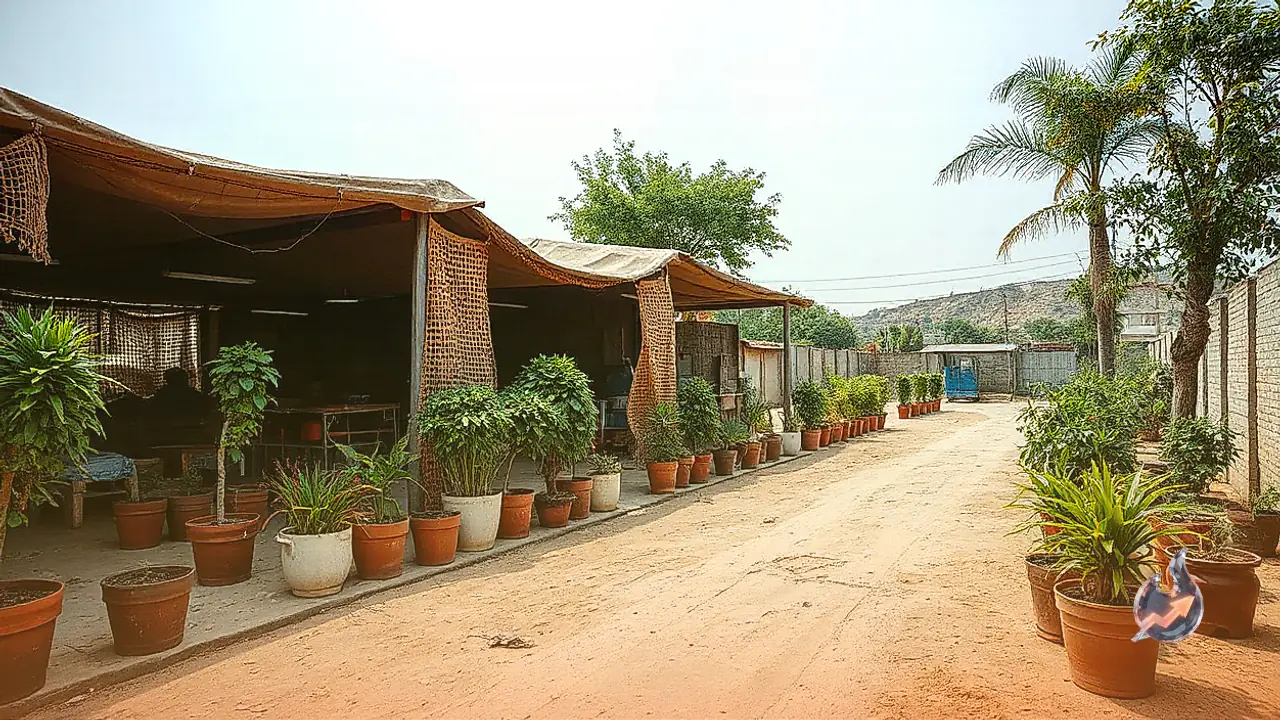

Cultivating a vibrant home garden requires far more than merely placing plants into pots; it demands disciplined and customized day-to-day care. A frequent mistake among home gardeners is treating every plant alike when it comes to watering. In reality, water requirements vary significantly across different plant species. While certain varieties thrive with minimal watering, others demand consistently moist soil. Pouring excessive water into pots saturates the root zone, ultimately damaging the roots and causing the plant to wither and decay.
Prioritizing Organic Nutrition Over Synthetic Fertilizers
To support steady plant development, organic manure must be preferred over artificial chemical inputs. According to nursery operator Nek Singh, replacing chemical fertilizers with generous amounts of organic matter provides essential nutrients naturally and strengthens long-term plant growth. Singh advises keeping the use of chemical fertilizers such as DAP and urea to an absolute minimum in home gardens. Any fertilization routine should always match the specific needs and current growth stage of each individual plant.
Natural Pest Defense and Regular Pruning
Potted plants can be shielded from harmful pests by using neem cake and neem extract. Nek Singh points out that applying these neem-based remedies in appropriate, measured quantities proves highly beneficial for routine plant protection without damaging the soil biome. In addition to pest control, pruning is critical. Whenever any branch or foliage begins to dry out, it should be cleanly severed with a garden cutter. Regularly clearing away dead leaves and withered stems ensures that the plant directs its vitality toward healthy sections, which in turn stimulates fresh shoots and vigorous foliage.
Moisture Management Using Cocopeat in Potting Mixes
For container-grown plants, blending cocopeat into the soil mix offers substantial advantages. Cocopeat helps retain balanced moisture within the pot, preventing the soil from drying out too rapidly between waterings. To ensure superior plant growth and optimal aeration for the root system, cocopeat should be combined with regular garden soil in the correct proportions before potting.