







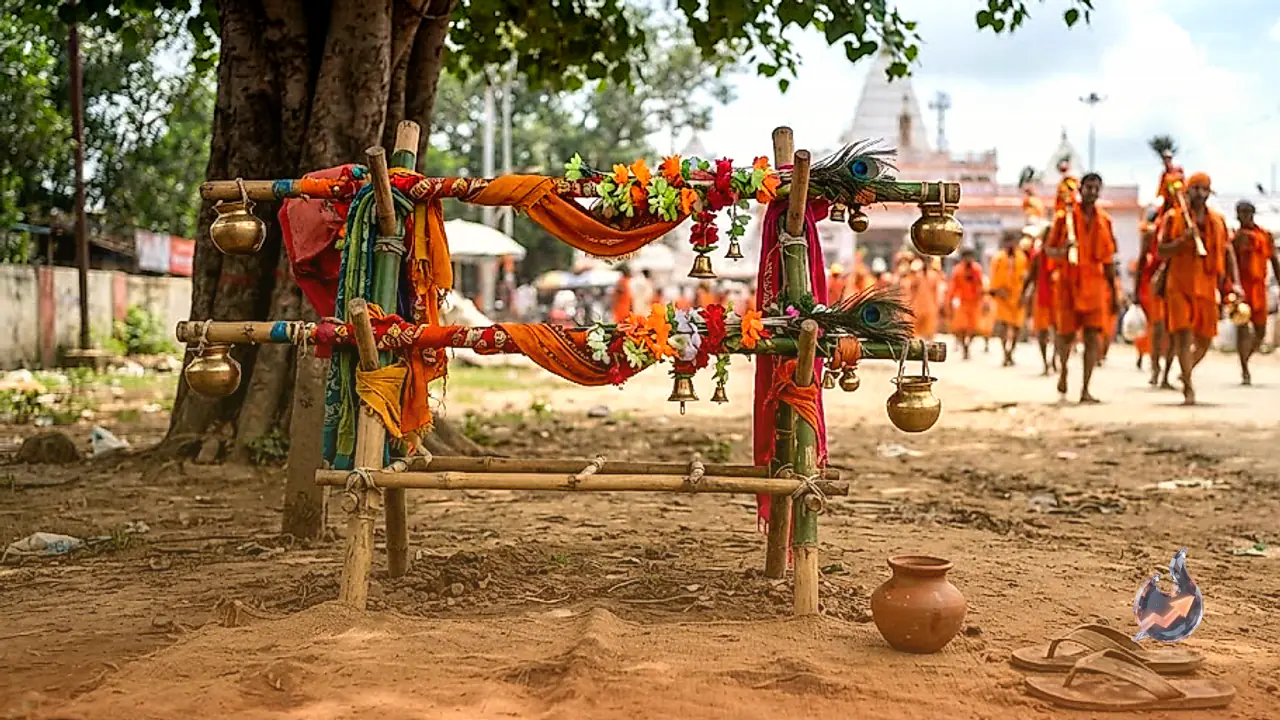















With the arrival of the auspicious month of Sawan, millions of devotees have embarked on the traditional Kanwar Yatra. Walking long distances on foot while carrying holy water in Kanwars is an enduring act of faith. However, trekking across miles of hard roads often takes a severe physical toll, leading to painful foot blisters and substantial swelling in the legs. This acute physical discomfort and exhaustion frequently impacts the overall health of pilgrims. To help devotees manage these physical strains and travel comfortably, medical expert Dr. Manoj Wabhale has shared three essential health guidelines that can ensure a safer and painless pilgrimage.
Opt for Proper Shoes and Quality Socks
Protecting the feet is the foundational step for any long-distance walking journey. According to Dr. Manoj Wabhale, pilgrims participating in the Kanwar Yatra must strictly avoid traveling in open slippers or flip-flops. Walking continuously in flat slippers causes direct friction between the skin and the footwear, which rapidly leads to painful blisters. Instead, devotees should wear high-quality cotton socks combined with sturdy, well-cushioned shoes. Proper athletic shoes absorb the harsh impact of concrete roads, while breathable socks absorb moisture and diminish friction. Making this footwear switch is the most effective way to prevent fresh blisters during the journey.
Hydrotherapy and Massage During Rest Stops
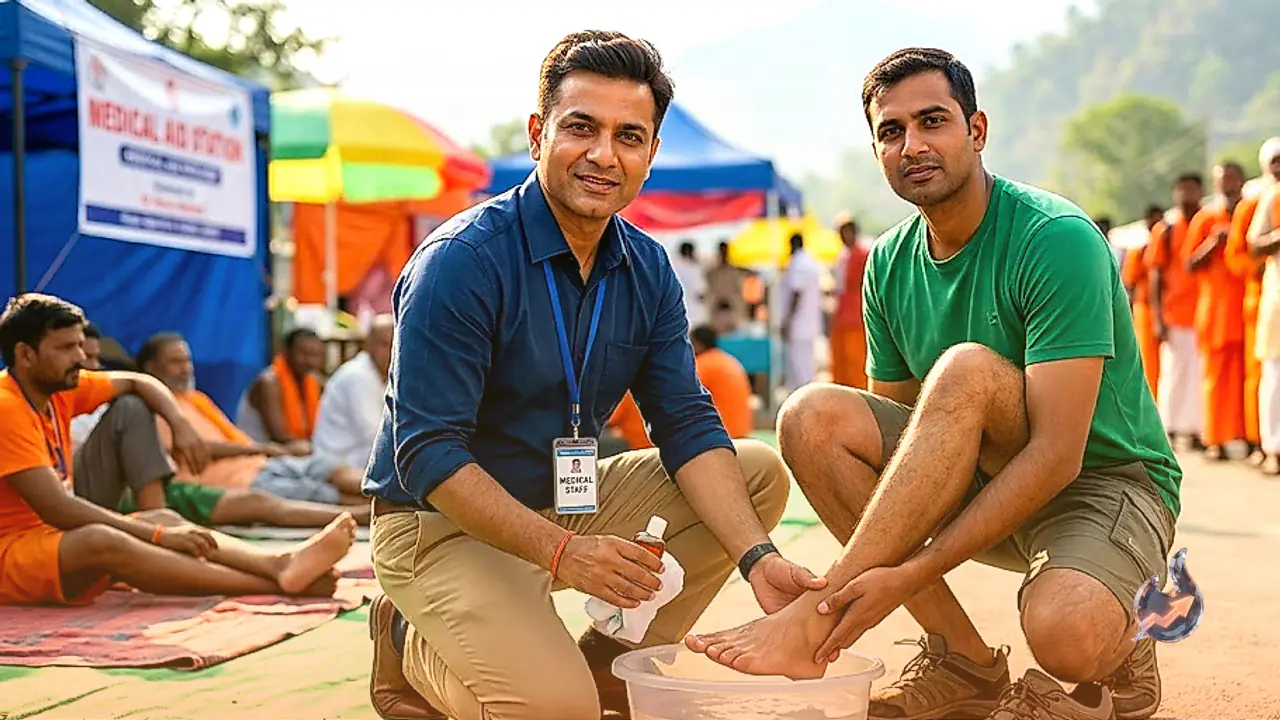
Taking proper care of tired feet during scheduled breaks is crucial for muscle recovery. Dr. Manoj Wabhale recommends that as soon as pilgrims halt for rest, they should spend at least 10 minutes soaking or compressing their feet in cold or warm water. Soaking the feet in water relaxes stressed muscle fibers and improves blood circulation, effectively reducing localized swelling and soreness built up throughout the day. Following the water compress, applying a pain-relieving balm or gently massaging the legs with oil provides deep relief. If foot pain becomes intense, taking an appropriate painkiller can also help soothe severe aches.
Maintain Hydration and Stick to Simple Meals
Maintaining high energy levels and stamina relies heavily on internal nutrition and hydration. Pilgrims are advised to drink an ample amount of water every morning before stepping out to begin their daily walk. Throughout the journey, devotees should consume only simple, light, and wholesome food. Steering clear of excessively oily, spicy, and heavily seasoned meals is vital, as greasy foods strain the digestive system and induce lethargy. By adhering to these three core recommendations on footwear, foot therapies, and diet, devotees can heal existing blisters, alleviate foot swelling, prevent severe fatigue, and complete their long walking pilgrimage with ease.