





















Ask most people about henna and they will think of intricate hand designs at weddings and festivals, but Ayurveda has long treated the plant as more than a beauty ritual. Its leaves, bark, flowers and seeds have featured in traditional remedies for centuries, and Ayurvedic experts in Gonda say that used correctly and in the right quantity, henna can help with a surprising range of health complaints.
A cooling plant with wide traditional use
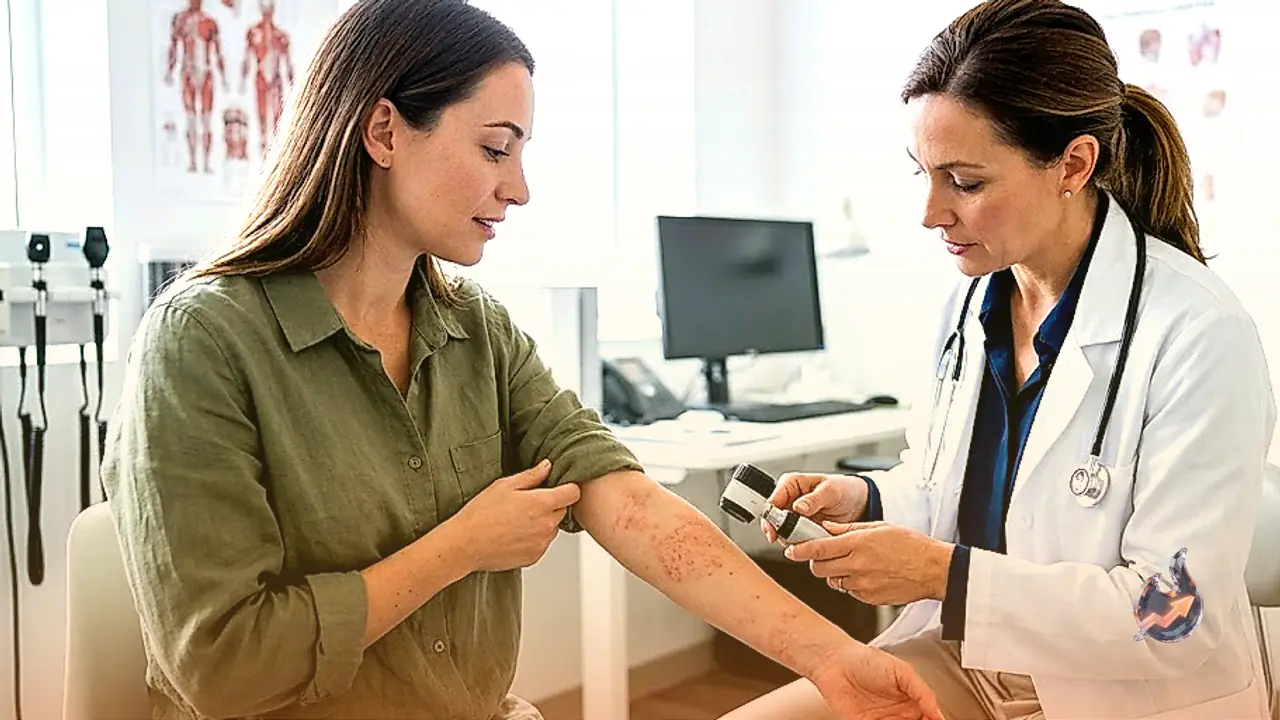
Ayurvedic expert Vaidya Jamuna Prasad Yadav explains that henna is considered cooling in nature, which is why it has traditionally been used to bring down excess body heat and to treat various skin-related issues. He cautions that henna should only be used for any ailment after consulting a doctor or an Ayurvedic expert, so that it does not end up causing harm.
Helpful for skin troubles
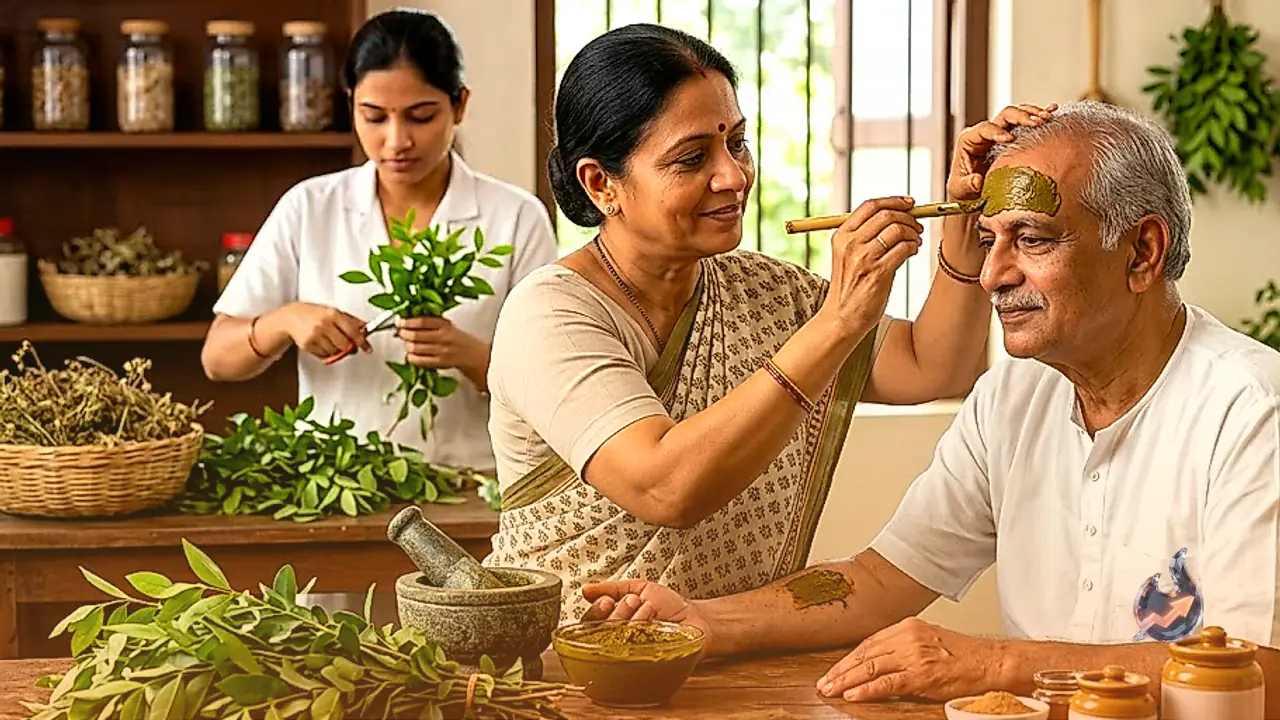
According to Vaidya Jamuna Prasad Yadav, a paste made from fresh henna leaves applied to the skin can bring relief from itching, irritation and mild allergic reactions. Many people also use it to reduce boils, pimples and excess heat on the skin. Its antibacterial and antifungal properties are believed to help protect the skin from infection.
Cooling relief and strength for hair
Henna is most widely used on hair. Applying a paste or powder made from its leaves is said to cool the scalp, keep hair soft, and help reduce dandruff. Many people also turn to henna as a natural way to colour grey hair.
Eases burning sensations in hands and feet
During the summer months, many people complain of a burning sensation in their palms and the soles of their feet. Applying a paste of henna leaves is said to bring a cooling relief in such cases. In Ayurveda, the plant is regarded as one that calms excess heat in the body, which is why its use is considered especially beneficial in hot weather.
A traditional aid for healing wounds
Experts note that a paste of henna leaves has traditionally been applied to minor wounds and scrapes. It is believed to help wounds heal faster and lower the risk of infection. However, for deep wounds, seeking immediate medical treatment is essential rather than relying on home remedies.
Also used for headaches
Vaidya Jamuna Prasad Yadav says some people apply a paste of henna leaves on the forehead. In Ayurveda, this is believed to cool the head and offer relief from headaches caused by heat.
Traditional use for mouth ulcers
Ayurveda also describes the use of henna leaves for mouth ulcers. The traditional advice is to boil the leaves in water and use that water as a mouth rinse. That said, if ulcers persist for a long time, it is important to get them examined by a doctor.
How to use henna
Vaidya Vishnu Dutt Prajapati says fresh henna leaves can be ground into a paste, while powder made from dried leaves is also commonly used. But before adopting any home remedy, it is important to take expert advice. Anyone allergic to henna should avoid using it altogether.
Precautions to keep in mind
Vaidya Vishnu Dutt Prajapati advises against using chemical-laden black henna available in the market on the skin, as it can trigger allergies and irritation. Natural henna should always be preferred. He also stresses that serious illnesses should never be treated with home remedies alone, and a doctor's advice must always be sought.