



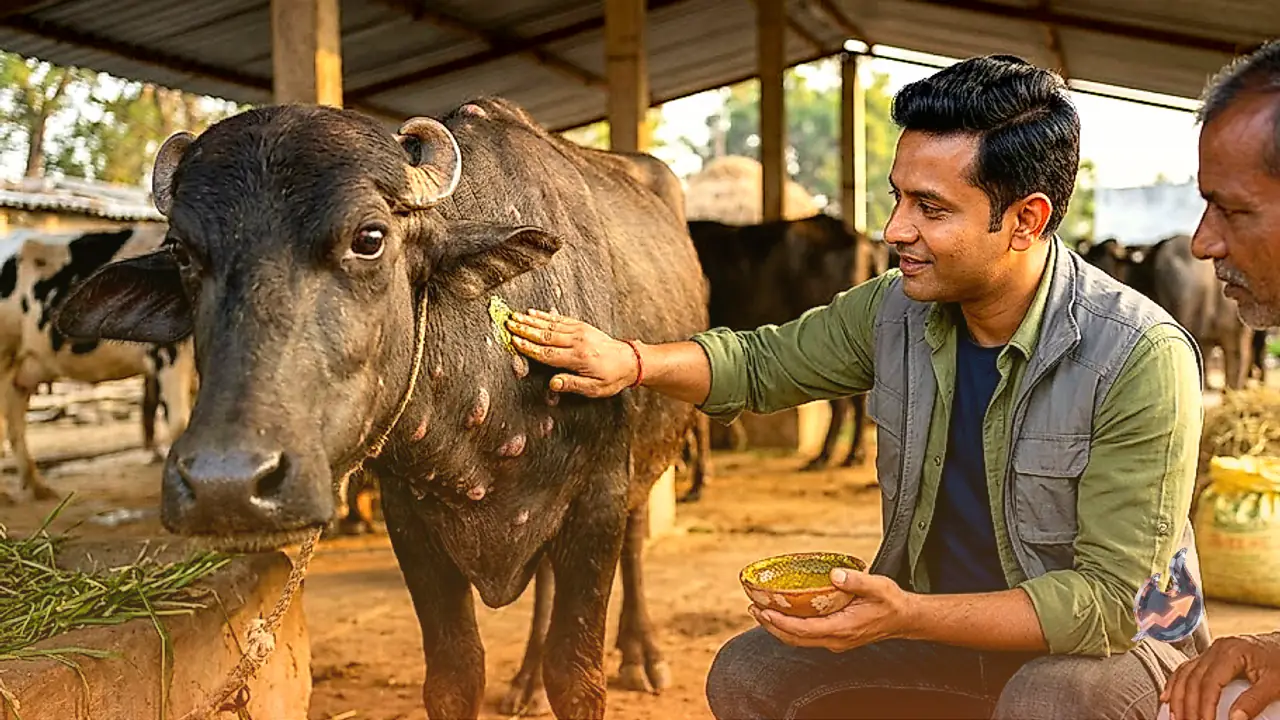
















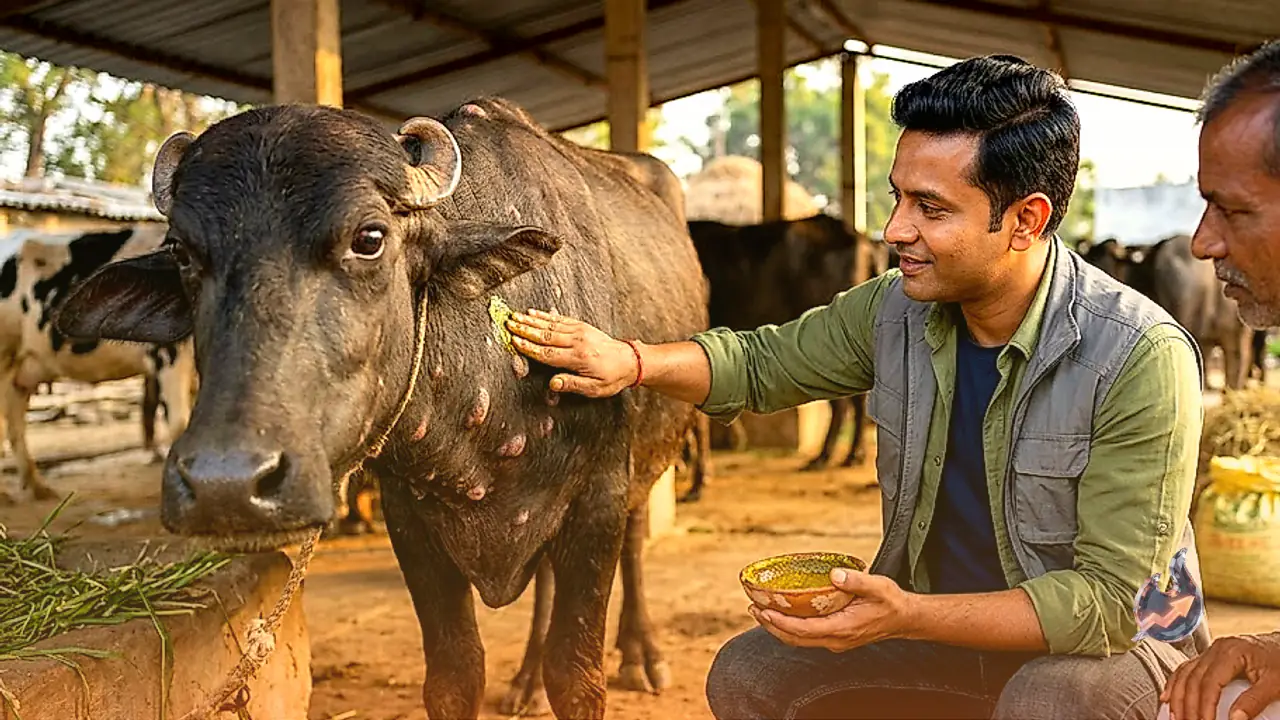

Lumpy virus has emerged as a major challenge for dairy animals in modern times. Especially in rural regions, this disease spreads rapidly and deals a direct blow to the livelihood and hard work of cattle rearers. When a cow or buffalo contracts the lumpy virus, its milk production suddenly drops significantly or the animal completely stops giving milk. Consequently, livestock owners suffer heavy financial losses. In many severe cases, animals even lose their lives due to the worsening of the disease. Although government vaccination campaigns are conducted periodically to curb this illness, a lack of cleanliness and awareness in villages keeps the threat of the lumpy virus persistently high, making cattle frequent victims.
Expert advice on cowshed hygiene from Deoghar
Jaykant Rai, a veterinary expert from Deoghar, highlighted in a discussion that cattle owners in rural areas often manage animal care through traditional home remedies. He stated that if any dairy animal displays symptoms of the lumpy virus, the foremost priority must be focused on the cleanliness of the cowshed. Keeping the animal in a clean and hygienic environment is extremely crucial for recovery and prevention.
Wound care and traditional herbal mixtures
Sometimes the lumpy virus causes painful sores on animals, and in rural areas, people regularly clean these wounds using water boiled with neem leaves and alum. Cleaning the affected area twice a day helps reduce the risk of the infection spreading further. Additionally, traditional laddoos made from a mixture of neem leaves, tulsi leaves, turmeric, and black pepper are widely used. Feeding these laddoos to the animals helps boost their immune system during illness. Moreover, feeding oranges and other fruits rich in vitamin C is recommended for animals suffering from the disease.
Concerns of cattle owners and preventive care
Special emphasis is placed on maintaining cleanliness during protection against the lumpy virus. This disease becomes a major source of anxiety for livestock owners because the sickness of a dairy animal disrupts milk output, and in severe instances, can lead to the loss of the animal's life. Facing such situations, rural cattle owners rely on these indigenous and domestic methods to nurse their animals back to health.
Significance of local remedies and shed management
Cleaning wounds with neem and alum water, feeding nutritional laddoos made of neem, tulsi, turmeric, and black pepper, and providing oranges are among the prominent domestic remedies adopted across rural sectors. During outbreaks of the lumpy virus, cattle owners are strongly advised to prioritize absolute sanitation within their cowsheds to protect their livestock.