



















Climatic shifts are increasingly extending beyond mere weather anomalies, transforming into a formidable crisis for human health across the globe. Acknowledging the gravity of this impending danger, the World Health Organization has elevated its global emergency response to the highest Grade-3 level. According to a strategic roadmap issued by the organization, significant public health challenges are anticipated in numerous regions from October 2026 through September 2027, prompting coordinated international preparedness.
India Identified Among High Health Risk Nations
In a global health risk assessment report released by the World Health Organization, India has been designated as a territory facing high or very high health risks. The findings suggest that large portions of South Asia may experience temperatures well above normal alongside reduced rainfall levels. These environmental shifts threaten to trigger heatwaves, water scarcity, vector-borne diseases, nutritional deficiencies, and mounting strain on public medical infrastructure within the country.
Understanding the El Nino Phenomenon and Emergency Scale
El Nino is fundamentally a natural climatic phenomenon driven by abnormal warming of surface waters in the central and eastern tropical Pacific Ocean. This alteration disrupts worldwide temperature and precipitation patterns, causing severe droughts in some regions and intense flooding in others. In response, the organization is directing a Grade-3 global operation spanning from October 2026 to September 2027. Initial resource requirements for the first six months, covering October 2026 to March 2027, are estimated at approximately 35 million dollars. Four core priorities have been outlined, encompassing disease surveillance, early warning systems, preventive interventions, and coordinated healthcare delivery. The organization emphasizes that El Nino does not generate pathogens directly, but rather creates environmental conditions that amplify infection rates and heat-related illnesses.
Projected Health Threats Facing the Nation
The assessment highlights multiple severe health hazards that could impact populations across the country:-
- Heatwaves and Thermal Illnesses: Sustained high temperatures and prolonged heat exposure significantly elevate the incidence of dehydration, heat exhaustion, and heatstroke, posing grave risks to individuals with chronic cardiac, renal, and respiratory conditions.
- Vector-Borne Diseases: Alterations in temperature and rainfall cycles directly influence mosquito breeding habitats. Dengue has been categorized as a high-risk concern in India, alongside localized warnings regarding malaria in parts of northeastern regions.
- Waterborne Infections: Inadequate sanitation, heavy downpours, and flooding increase the likelihood of water contamination, thereby elevating the transmission of diseases such as leptospirosis.
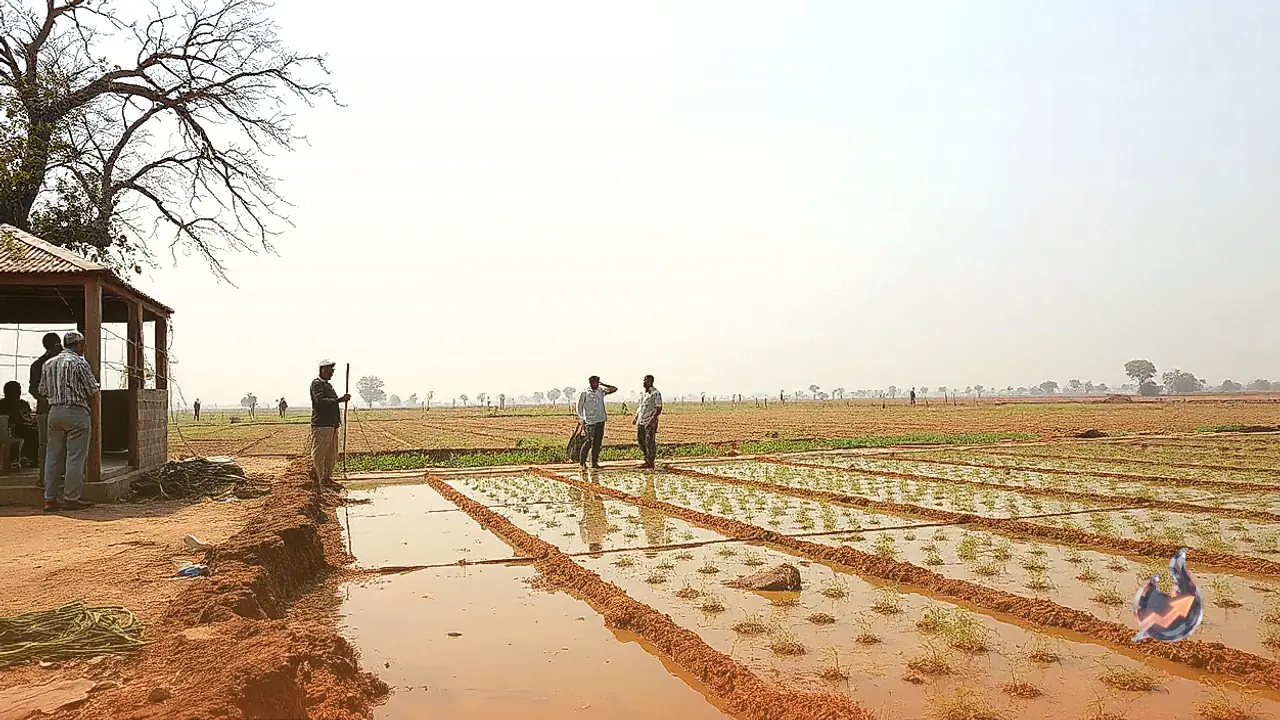
- Food Security and Malnutrition: Subpar rainfall can severely impair agricultural productivity, threatening food availability and livelihoods, which in turn escalates malnutrition risks among young children and pregnant women.
- Strained Medical Infrastructure: Extreme weather events frequently damage healthcare facilities and disrupt medical supply chains, obstructing routine treatments for non-communicable diseases.
- Mental Health Impacts: Displacement, economic instability, and livelihood losses stemming from climate shocks can severely affect psychological well-being.
- Vulnerable Population Segments: Children, the elderly, pregnant individuals, and marginalized communities face disproportionate exposure due to limited access to cooling resources and clean water.
Implications for Regional Monsoon Patterns
Agricultural productivity and daily life across the country remain heavily reliant on seasonal monsoons, making shifts in precipitation patterns a major cause for concern. Government data presented in Parliament indicated that meteorological forecasters projected below-normal rainfall for the southwest monsoon period. Revised estimates pointed toward seasonal precipitation hovering around 90 percent of the long-period average, with an inherent model error margin of 4 percent. Nevertheless, experts note that the ultimate impact depends heavily on El Nino intensity, timing, and concurrent phenomena like the Indian Ocean Dipole.
Strategic Measures Recommended to Mitigate Crisis
To counteract these escalating threats, the organization advocates an anticipatory approach centered on early detection, risk mitigation, and rapid response mechanisms. Recommended measures include strengthening infectious disease surveillance, bolstering healthcare facility readiness for extreme heat, ensuring safe drinking water supplies, and fostering inter-agency coordination between meteorological and disaster management authorities to protect vulnerable communities.