



















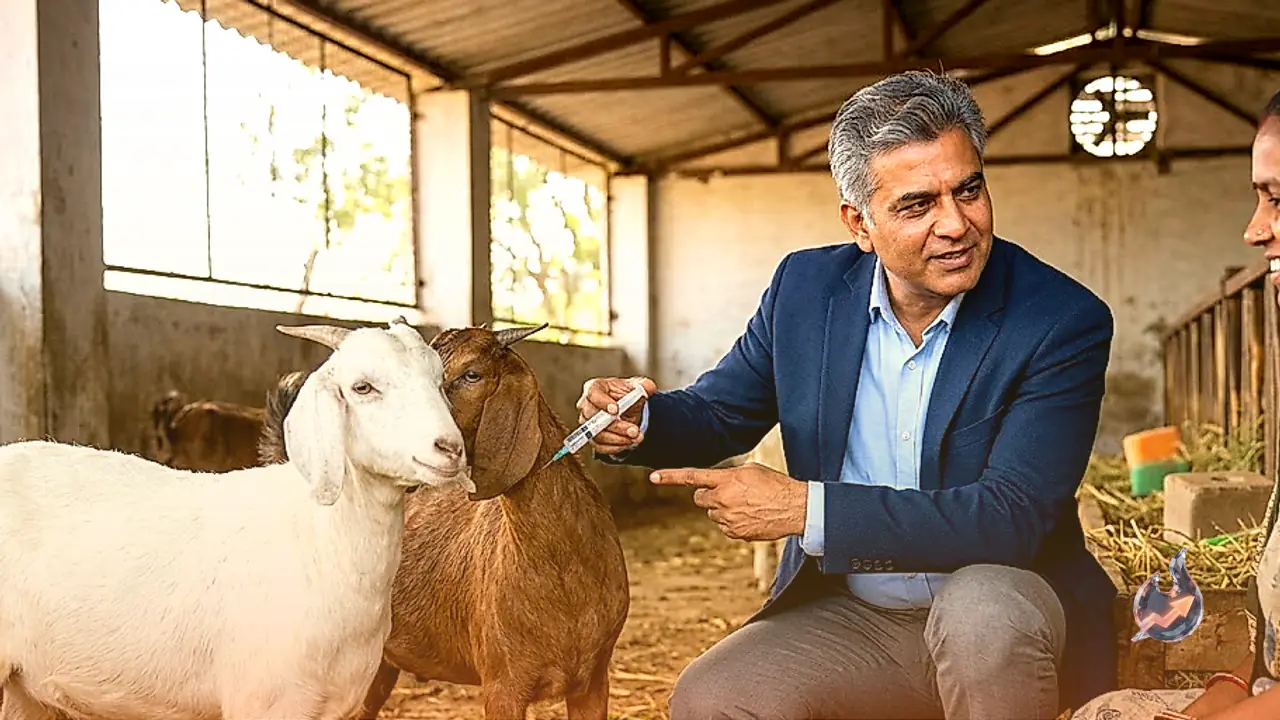

In Gonda, an increasing number of farmers and livestock keepers depend on goat farming to generate steady income and support their livelihoods. As seasonal weather patterns begin to transition, livestock owners must pay immediate attention to the physical health of their herds. Sudden swings in atmospheric temperature can easily weaken the immune defenses of goats, leaving them vulnerable to illnesses. The risk of contracting infections remains particularly acute for young kids and physically frail animals. However, by adopting timely herd management practices and basic health precautions, farmers can effectively shield their livestock from major ailments and unexpected financial losses.
Fluctuating Weather and Heightened Disease Risks
According to Deputy Chief Veterinary Officer Dr. Rakesh Kumar Tiwari, shifting seasons bring an erratic cycle of intense heat, sudden drops in temperature, and unseasonal rainfall. This constant climatic oscillation directly strains the physiological stamina of goats. If livestock are kept in damp, chilled, or muddy shelters, the probability of them falling sick escalates sharply. In addition, the presence of stale drinking water, spoiled feed, and accumulated waste around the sheds facilitates the rapid breeding of pathogens that can spread infections across the entire herd.
Shelter Maintenance and Moisture Control
When weather conditions change, the living quarters of the goats require primary attention. Sheds must be designed and maintained to prevent waterlogging, and concrete or earthen floors should be kept dry at all times. Regular removal and disposal of goat dung, urine, and litter are vital for proper hygiene. If rain causes indoor dampness and elevated humidity, immediate corrective steps must be taken to ventilate and dry out the enclosure. Strong protective barriers are essential to shield goats from piercing cold winds and direct rain showers, as excess dampness and chill quickly trigger respiratory stress.
Supplying Clean Drinking Water and Quality Forage
Livestock keepers must provide an uninterrupted supply of clean, fresh drinking water. Water that has remained stagnant in troughs for multiple days harbors harmful bacteria and poses a severe threat to animal digestive health. Nutrition requires identical scrutiny: goats must be fed solely clean, nutritious, and wholesome forage. Never feed goats spoiled, moldy, or decomposing fodder. Store dry feed reserves in elevated, moisture-free locations away from rain seepage, since ingesting contaminated fodder causes acute gastrointestinal disorders.
Recognizing Warning Signs and Isolating Ailing Stock
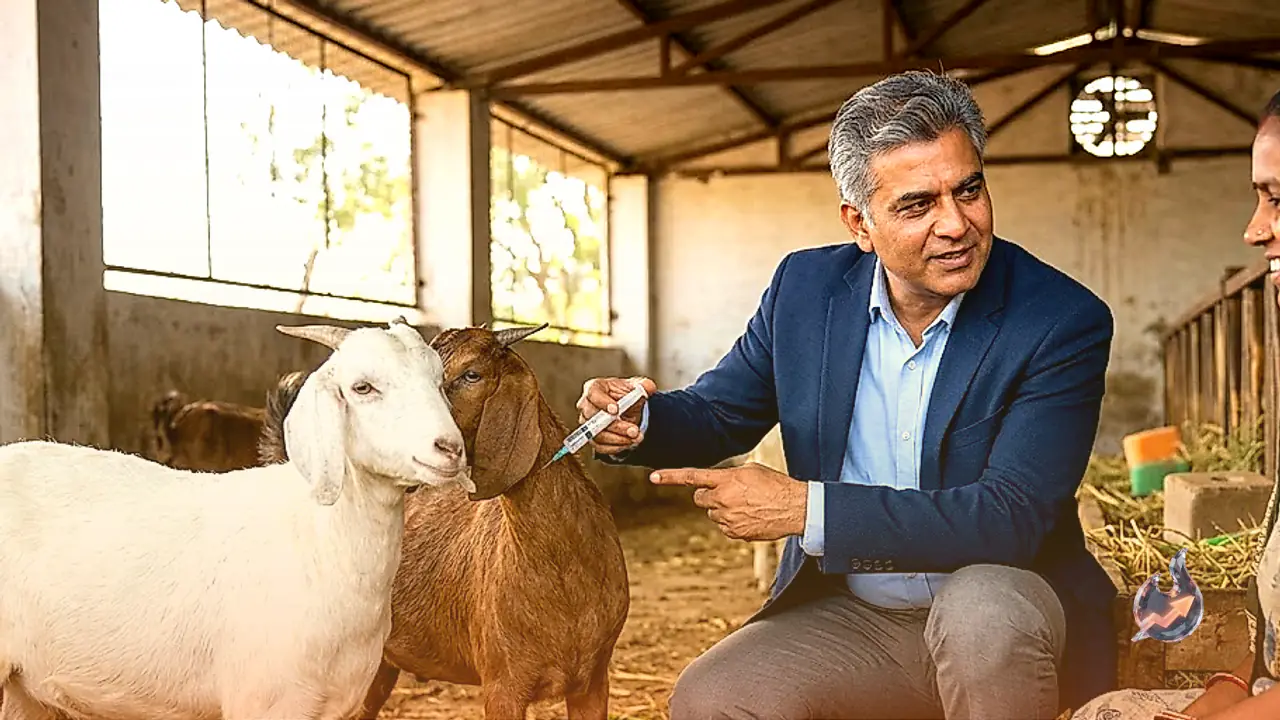
When an individual animal exhibits initial signs of sickness, segregating it immediately from healthy herd members is the most effective way to arrest the spread of contagion. Farmers should closely watch for warning signs such as reduced feed consumption, persistent lethargy, ongoing coughing, nasal discharge, diarrhea, or an elevated body temperature. When these symptoms appear, prompt consultation with a certified veterinarian is critical. Timely vaccination serves as a vital safeguard against multiple fatal diseases. Farmers can coordinate with their local veterinary dispensary or animal husbandry department to obtain updated vaccination schedules and preventive instructions.
Special Protection for Young Kids and Professional Medical Advice
Young goat kids possess underdeveloped immune systems, which makes them exceedingly vulnerable during climatic transitions. They must be shielded from cold drafts, downpours, and wet surfaces, resting instead in clean, warm, and dry quarters with carefully managed feeding routines. Dr. Rakesh Kumar Tiwari emphasizes that vigilant daily management can prevent most common livestock disorders. Prioritizing sanitation, balanced nutrition, pure water, and adherence to immunization protocols ensures herd safety. Above all, when an animal displays unusual symptoms, livestock keepers must avoid self-medicating and instead seek proper guidance from a veterinary doctor.