



















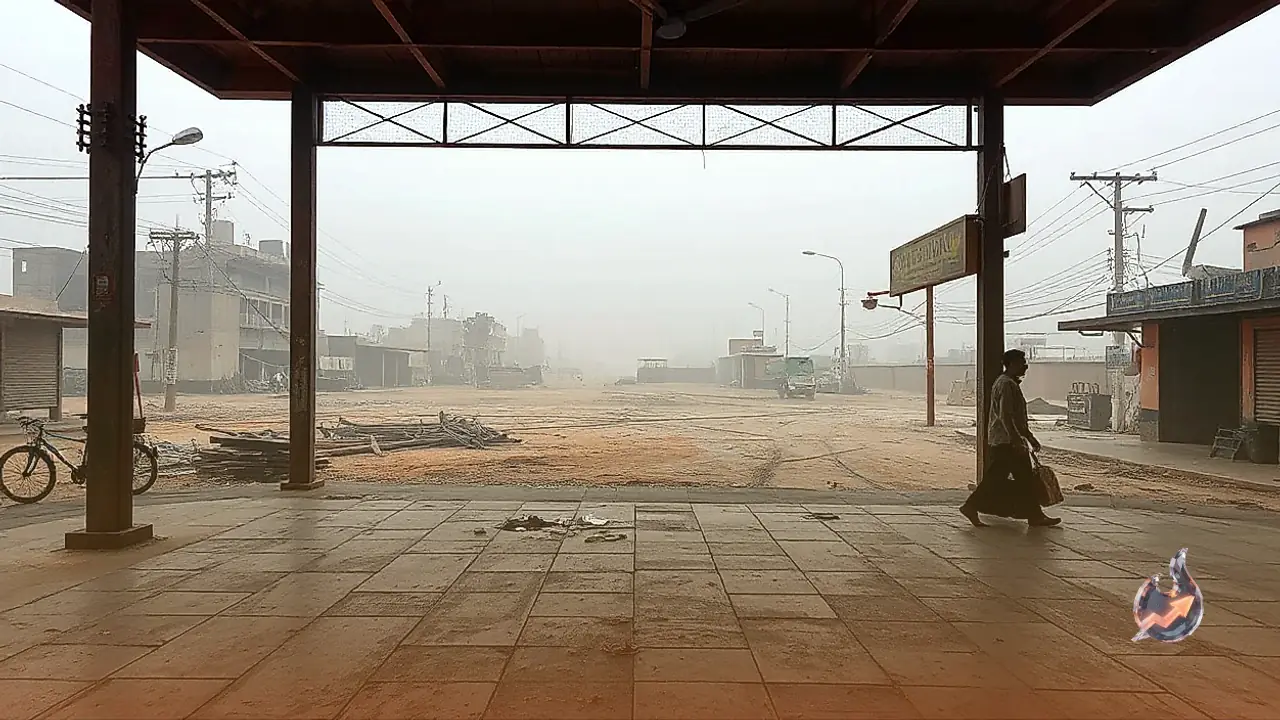

Air quality across major regions has deteriorated to alarming levels, turning the atmosphere into a silent hazard for residents. In places like Delhi-NCR, the toxic smog being inhaled daily is exposing people to health risks comparable to heavy smoking, even if they have never touched a cigarette in their lives. Renowned oncologist Dr. Shyam Agrawal has raised serious alarms regarding this steady rise in cancer cases linked directly to environmental degradation.
The Heavy Toll of Toxic Air on Lungs
Medical experts explain that breathing the heavily polluted air in urban centers results in toxins entering the human body equivalent to smoking 20 to 25 cigarettes every single day. This contaminated air carries not only the standard chemicals found in cigarette smoke but also over a hundred other hazardous compounds through the nasal passage. Consequently, physicians have documented an increase of roughly 30 percent in lung cancer patients who possess absolutely no history of smoking.
Rising Patient Statistics and Future Projections
Dr. Shyam Agrawal, Director of the Oncology Department at Ganga Ram Hospital, expressed deep concern over the rapid growth in patients with zero smoking background. The previous figure of 70,000 cases has now climbed to nearly one hundred thousand. Furthermore, projections indicate that the total number of lung cancer patients could double by the year 2040. Research and clinical data now clearly establish pollution as a primary driver behind various malignancies, extending beyond lung cancer to trigger breast cancer and gastrointestinal or stomach cancer cases as well.
Real Accounts of Non-Smoking Patients
Countless individuals across the country with zero familial history of tobacco use find themselves battling advanced stages of the disease. Mukul Jain, a businessman from Bijnor, never smoked a day in his life, nor did anyone in his household, yet he developed lung cancer. Believing that pollution or post-infection complications triggered his condition, he notes that breathing becomes exceptionally difficult during heavy smog periods and acknowledges that frequent travel to the Delhi-NCR belt contributed to his health decline.
Similarly, Vinaroma Bhardwaj, a teacher residing in Etah, Uttar Pradesh, and her husband Yogesh Sharma have maintained smoke-free lives, yet she was diagnosed with lung cancer. Undergoing continuous chemotherapy sessions, she relies heavily on medical advice to wear masks outdoors. Professional obligations bind her to the region, making it difficult to relocate despite knowing that escaping the polluted environment would benefit her recovery.
Medical Recommendations for Prevention and Safety
To mitigate the risks posed by this hazardous environment, Dr. Shyam Agrawal advises minimizing outdoor exposure as much as possible. Anyone stepping outside must wear a tightly fitted N-95 mask that adequately covers the face. For extended outdoor durations, applying oil on the skin before stepping out and washing the face thoroughly upon returning home is recommended.
Doctors strongly advise against outdoor morning walks or heavy physical exercise in the open air during peak pollution days, suggesting indoor fitness routines instead. Maintaining proper hydration by drinking adequate water and consuming a diet rich in antioxidants is essential. Incorporating fresh green leafy vegetables, seasonal fruits, and nutritious seeds helps strengthen the body against environmental toxins.