





















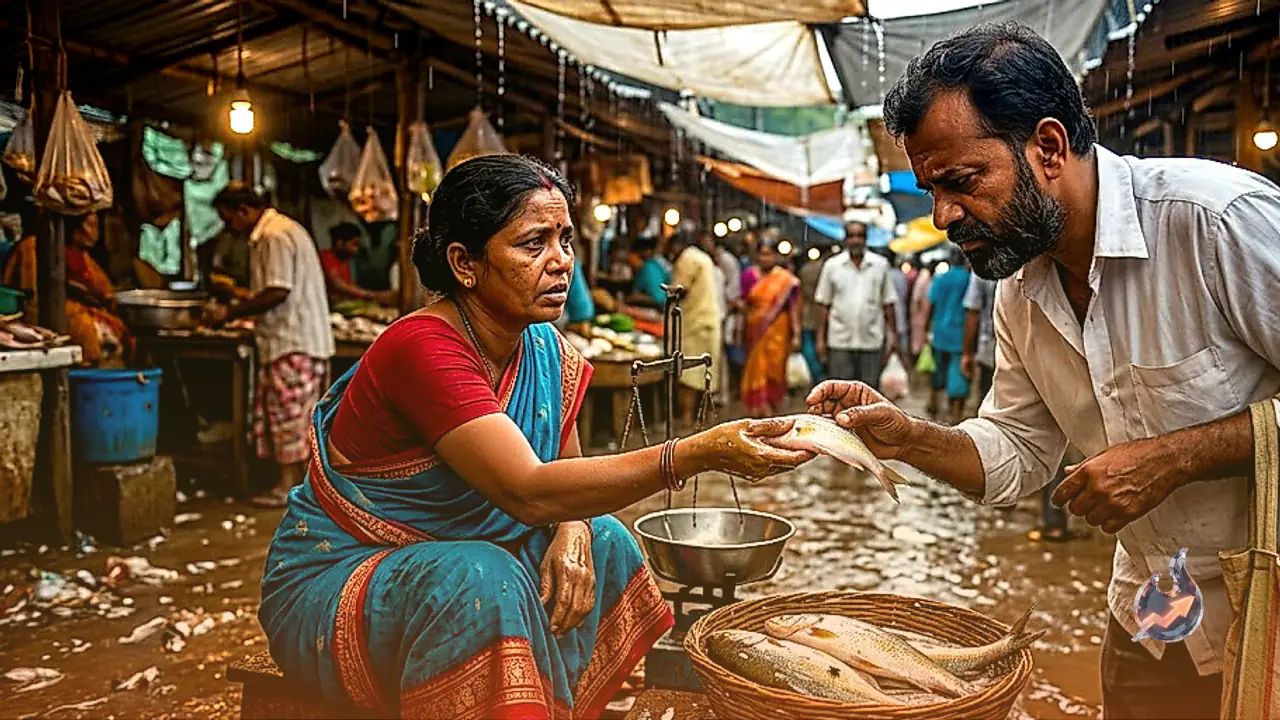

Fish is a nutritious staple through most of the year, but during the monsoon it can quickly turn into a health hazard if a few basic precautions are ignored. Rising humidity and constant swings in temperature during the rainy season create ideal conditions for bacteria to multiply far faster than usual, which sharply raises the risk of food poisoning. That is why doctors and food safety experts advise eating only fish that is fresh, properly stored and thoroughly cooked once the rains set in. Certain situations make eating fish riskier than others during this season, and it helps to know exactly what to watch out for.
Humidity speeds up bacterial growth
Air moisture levels climb noticeably during the monsoon, and that extra humidity creates a near-perfect environment for bacteria to multiply rapidly. If fish is not kept at the right temperature, bacterial counts inside it can reach unsafe levels within just a few hours. This is precisely why far greater caution around fish is recommended in the rainy season compared with the rest of the year.
Avoid fish left out for hours without ice or cooling
If fish is left out in the open for a long stretch after purchase, without ice or proper refrigeration, bacteria begin multiplying in it quickly. Eating such fish directly raises the risk of food poisoning. Fish should therefore be refrigerated or cooked as soon as possible after it is bought.
Check the smell, colour and texture before eating
Fresh fish never gives off a strong or rotten odour. If a piece of fish smells off, looks discoloured compared with normal, or feels slimy to the touch, it should neither be bought nor eaten. This check becomes even more important during the monsoon, since fish spoils fastest in this weather.
Stay away from raw or undercooked fish
Eating raw or undercooked fish during the monsoon further raises the chances of infection. Cooking fish thoroughly and completely is essential to kill off any harmful germs that may be present in it. Serving undercooked fish in a hurry can prove costly for health during this season.
Be careful about where you buy fish from
Fish should not be bought from roadside stalls or sellers who do not maintain cleanliness or who lack a proper cold chain to keep the fish cold. It should always be bought from trusted, hygienic shops, so there is no doubt about its quality.
Fish stored too long in the freezer is risky too
If fish has been stored incorrectly for a long period, or has been thawed and refrozen repeatedly, its quality deteriorates considerably. Such fish can turn harmful to health, so it is wiser to avoid it altogether.
Not every fish is dangerous, just stay alert
Not all fish turn harmful during the monsoon. The real danger comes from fish that is stale, improperly stored or undercooked. So always pick fresh fish, maintain proper hygiene, and make sure it is cooked thoroughly.
Do not delay if these symptoms appear
If symptoms such as vomiting, diarrhoea, stomach pain or fever appear after eating fish, do not ignore them and consult a doctor immediately. Getting timely treatment can prevent food poisoning from turning into a more serious condition.