























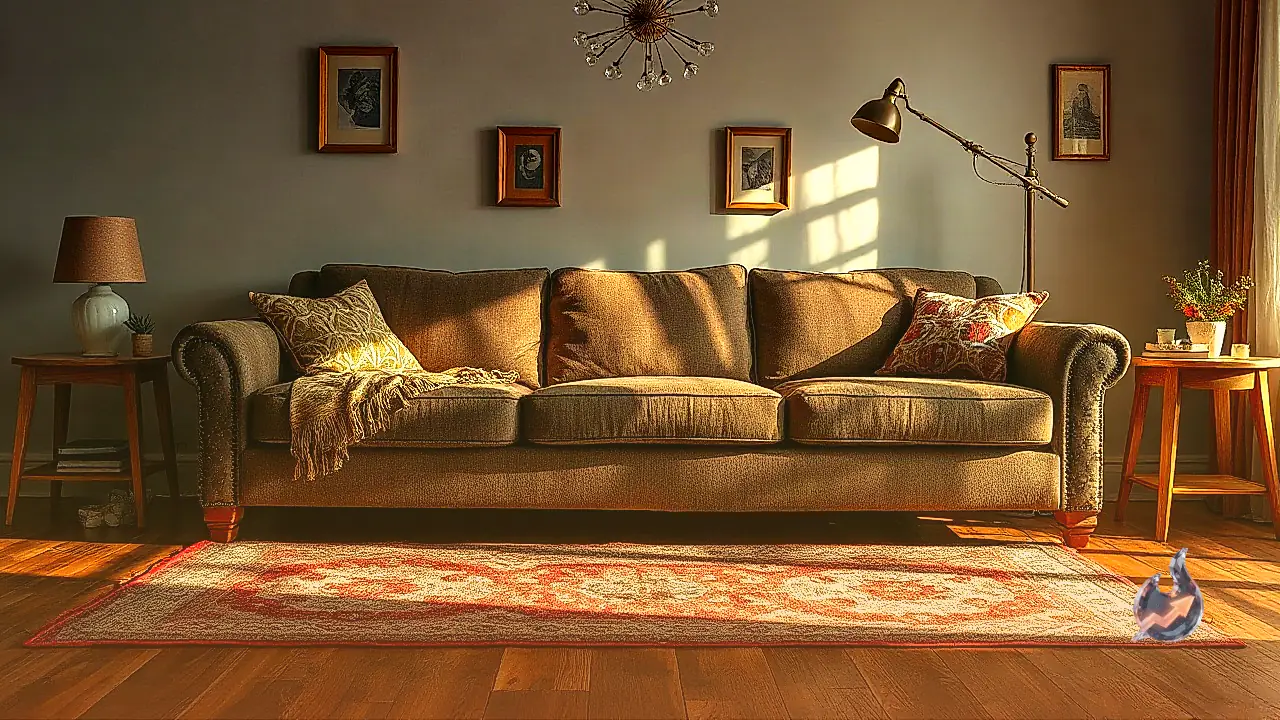

A sofa serves as the central focal point of any living room, anchoring the interior design and offering everyday comfort. Due to constant daily use, children playing, and accidental food spills, upholstery quickly accumulates embedded dust, grit, and stubborn marks. A grubby couch not only detracts from the living room ambiance but can also prove embarrassing when hosting guests. While many households assume expensive commercial dry cleaning is the only solution to revive worn furniture, accessible kitchen ingredients can effectively deep clean cushions and frame surfaces without heavy expense.
Eliminating Dust and Musty Smells with Baking Soda
Fabric upholstered furniture frequently traps fine particles and retains damp or stale odours within its weave. Baking soda offers an exceptional, non-damaging solution for deodorising fabric cushions and extracting deep-set dirt particles. To apply this method, sprinkle a generous, even layer of dry baking soda across the entire surface of the couch. Allow the powder to rest undisturbed for 20 to 30 minutes, giving it adequate time to absorb trapped moisture and neutralize underlying smells. Afterwards, utilize a vacuum cleaner with an upholstery attachment to thoroughly clear away the powder. The baking soda draws out deep grime and foul scents, leaving the upholstery refreshed.
Lifting Tea and Coffee Marks Using a Vinegar and Dish Soap Spray
Accidental spills of tea, coffee, or greasy foods leave dark blemishes that spoil the neat appearance of seating. Water alone rarely lifts these set-in spills, making a targeted liquid cleaner necessary. To prepare this, mix one cup of lukewarm water, one tablespoon of white vinegar, and a few drops of liquid dish soap inside a spray bottle. Lightly spritz the mixture directly onto the affected area, then work the liquid into the fibres with gentle circular motions using a clean microfiber cloth. Once the mark breaks down and lifts, blot the damp fabric with a separate dry cloth to remove lingering moisture.
Treating Yellowing and Old Marks with Fresh Lemon Juice and Salt
Over extended periods, body oils and environmental exposure can cause unsightly yellow patches on light-coloured upholstery fabrics. The natural acidity of fresh lemon paired with fine salt works as a gentle, potent stain-lifter. Squeeze fresh lemon juice into a small bowl and mix in a modest quantity of salt. Spread this blend over the discoloured spots and let it sit for roughly 10 to 15 minutes to penetrate the staining agents. Next, take a soft sponge dampened in lukewarm water and gently wipe the treated area clean, effectively clearing the yellowing without harsh chemicals.
Restoring Leather Upholstery with Olive Oil and Vinegar Solution
Leather furniture requires completely different maintenance compared to standard woven fabrics. Saturating leather with excess water can lead to moisture damage, dullness, or premature surface cracking. To clean leather safely while conditioning the material, a combination of vinegar and olive oil serves as an ideal home treatment. Blend one cup of white vinegar with half a cup of olive oil in a clean container. Moisten a soft cloth with a small portion of this mixture and wipe the leather surfaces using light, steady strokes. The vinegar dissolves grime deposits, while the olive oil nourishes the hide, restoring its natural lustre and preventing drying or splitting.