





















Extended periods spent seated in front of a computer have become an inescapable part of working from home. When poor posture pairs with long stretches of sitting without breaks, physical stiffness readily accumulates across the back, shoulders, and hips. Without regular movement and stretching, physical mobility and daily vitality quickly diminish. Introducing gentle physical movement and targeted yoga into your day can significantly counteract this routine sluggishness. One accessible posture that effectively reactivates tired muscles is Purvottanasana, in which the body is elevated upward using the grounded support of the hands and feet. This posture is widely recognized in modern practice as the Upward Plank Pose.
The Meaning and Mechanism Behind Purvottanasana
The term Purvottanasana is derived directly from three distinct Sanskrit roots. The first component, 'Purva', designates the anterior or front portion of the body. The second element, 'Uttana', signifies a deep stretch or expansive lengthening, while 'Asana' refers to a yoga posture or seat. In this posture, the entire front line of the torso undergoes an intense and beneficial stretch. Simultaneously, the muscles across the arms, shoulders, legs, and back must fire actively to lift and suspend the torso above the floor.
For professionals who spend their entire working day anchored to an office chair, this pose proves particularly valuable. Sustained sitting leaves the hip structures contracted and the lower limbs sluggish, making targeted extension movements essential for restoring functional balance.
Step-by-Step Instructions to Practice Safely
To begin, sit comfortably on a flat floor with both legs extended straight out in front of you. Place your palms firmly onto the floor slightly behind your hips. Depending on your wrist mobility and personal comfort, your fingers can point directly forward toward your feet or angle slightly outward.
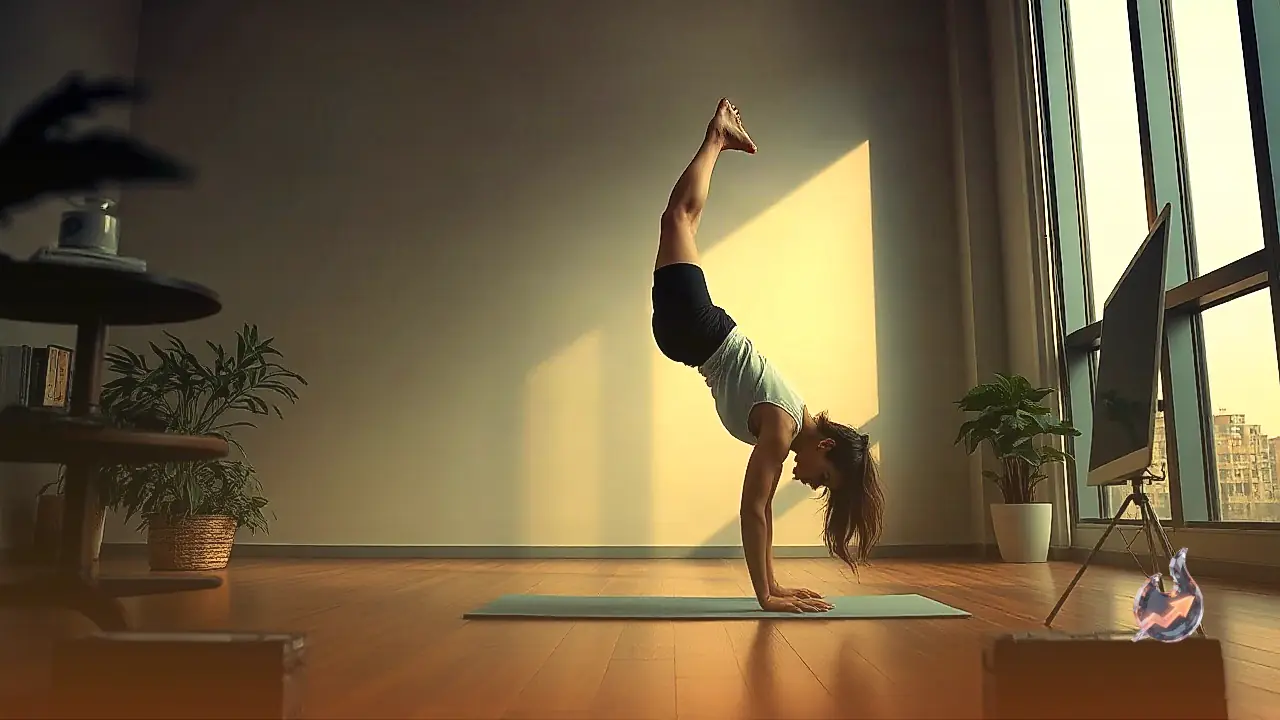
Once your hand placement is stable, ground down through your palms and heels, pressing firmly to lift your pelvis away from the floor. Strive to align the torso so that your body forms a continuous straight diagonal line from the shoulders all the way down to the feet. Keep your neck relaxed in a comfortable, neutral position rather than letting it collapse backward. Hold this elevated position steadily for a few seconds according to your current physical capacity. Afterward, gently and deliberately lower your hips back down to the ground.
Novices should avoid the urge to hold the posture for an excessive length of time during early attempts. Begin with just a brief hold of a few seconds, gradually extending the duration as muscular endurance, coordination, and confidence develop over time.
Muscular Engagement and Flexibility Benefits
Holding the elevated shape of Purvottanasana recruits a comprehensive network of muscles across the back, shoulders, arms, legs, and hips. When executed consistently and with correct mechanics, this pose contributes meaningfully to preserving core strength and joint suppleness. Sitting for prolonged hours causes the hip flexors, the muscles situated at the front of the pelvis, to tighten and shorten. Purvottanasana directly opens the entire anterior chain, delivering a deep stretch through the pelvis while calling upon the gluteal and leg muscles to actively engage.
Relieving Lower-Body Heaviness and Joint Tension
The daily grind of remote desk work frequently causes a sensation of heaviness in the legs alongside joint tightness in the pelvic area. By maintaining straight legs and pressing the heels firmly into the floor during Purvottanasana, the leg muscles are immediately awakened. Lifting the pelvis upward also demands active support from the glutes, encouraging reciprocal relaxation in the shortened front muscles.
However, it is crucial to recognize that no yoga posture functions as an automatic substitute for medical treatment. If back pain persists chronically, grows unusually severe, or is accompanied by numbness or weakness traveling into the legs, consultation with a qualified doctor or physiotherapist is essential.
Essential Precautions and Healthy Daily Habits
Prior to practicing this posture, taking a few moments for a light warm-up is strongly recommended. Because a substantial portion of your body weight rests upon your hands, preparing the wrists and shoulders with gentle rotations is vital. Avoid letting your head fall excessively backward, as this places undue strain upon the cervical spine. Individuals with preexisting injuries or chronic conditions involving the wrists, shoulders, neck, or spine should seek guidance from a qualified health specialist before trying the pose. If sharp pain, dizziness, or intense discomfort appears during the posture, release the pose immediately.
Relying solely on a short yoga session is not enough to counter full-day sedentary habits. Sustaining long-term musculoskeletal wellness during remote work requires standing up every 30 to 60 minutes, taking brief strolls around the room, and consistently adjusting your sitting posture.