





















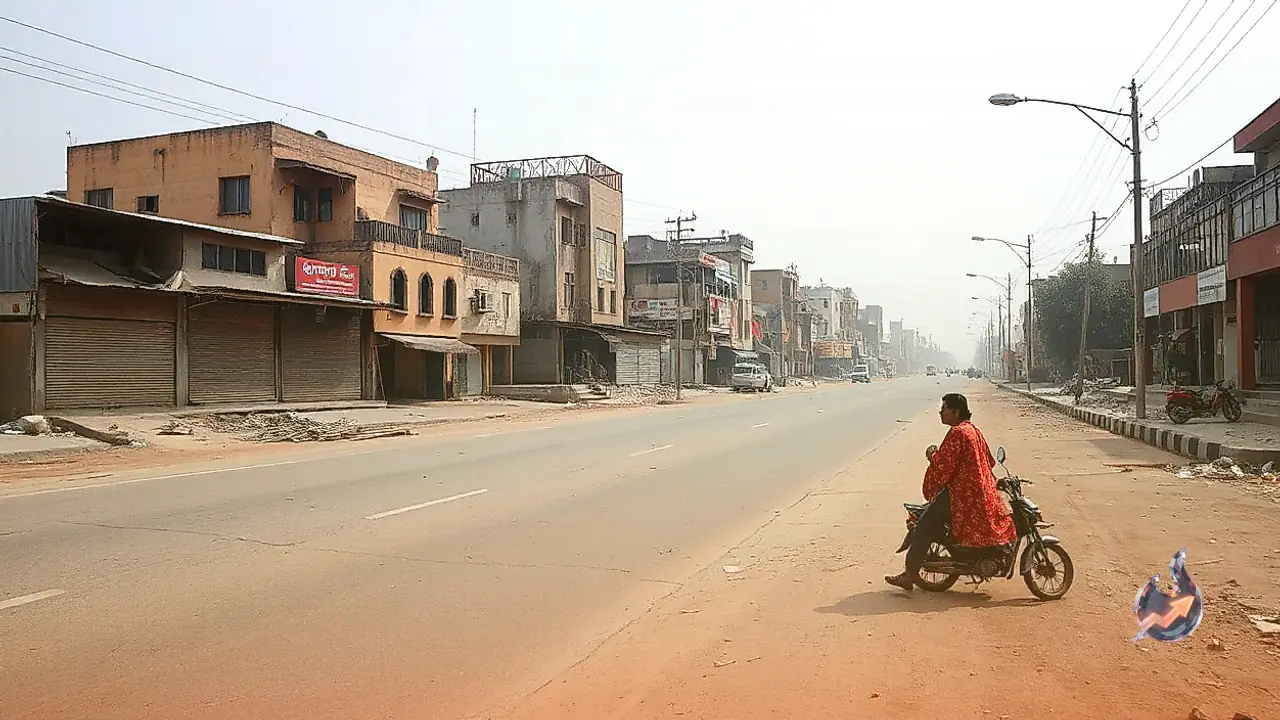

Air pollution levels in the areas adjoining Delhi are worsening rapidly, pushing the local air quality index beyond the 350 to 400 threshold, firmly into the red zone category. Ahead of the festive season, the declining air quality has triggered serious health concerns among medical professionals. According to local practitioners, the toxic pollutants suspended in the air can penetrate the human respiratory tract, enter the bloodstream, and exert a direct poisonous effect on body cells while disrupting hormonal balance. Individuals over the age of sixty, children under five, pregnant women, and those suffering from diabetes, heart ailments, asthma, or compromised immunity require the highest degree of caution during this period.
Essential Preventive Measures And Lifestyle Changes
In view of the escalating pollution levels, health experts recommend immediate adjustments to daily routines. High-risk groups should restrict outdoor activities the moment the AQI crosses 100, and avoid stepping outside altogether once it surpasses 200. General citizens ought to cut down outdoor exertion when the AQI exceeds 200 and postpone outdoor trips entirely if it climbs above 300. When stepping out for unavoidable tasks, individuals must wear a well-fitted N95 mask. Keeping the body hydrated with adequate fluid intake is crucial, and households may deploy air purifiers indoors. Experts also recommend placing indoor plants such as snake plants, money plants, and bottle palms. Dietary habits should incorporate antioxidant-rich and anti-inflammatory foods including turmeric milk, tomatoes, guavas, amla, oranges, and green leafy vegetables, alongside the regular consumption of jaggery.
Managing Festive Food Safety And Emission Control
The surge in demand for sweets during Diwali elevates the risk of food adulteration, making dietary vigilance essential. People should consume homemade sweets or purchase them exclusively from reputed establishments known for high quality. Curbing pollution requires collective community efforts as well. Residents should minimize bursting firecrackers, noting that even green crackers contribute to the AQI burden. Spraying water around residential perimeters, preventing garbage burning completely, and reducing the use of incense sticks and dhoop are vital steps. Smokers are strongly advised to cut back or completely quit smoking during these high-pollution spells.
Severe Health Implications For Expectant Mothers
Pollution poses distinct and severe hazards to pregnant women. Medical experts point out that airborne toxins can cross the placental barrier and directly affect the developing fetus. Affected expectant mothers may experience symptoms such as headaches, brain fog, memory issues, irritability, runny nose, persistent coughing, sore throats, and breathing difficulties. Monitoring blood pressure regularly during this time is critical, as polluted environments significantly elevate the likelihood of hypertension.
Risks Of Miscarriage And Premature Delivery
Exposure to heavy pollution during the first trimester of pregnancy can heighten the risk of bleeding and miscarriage. During the second and third trimesters, the probability of preterm labor increases. Pollution impairs blood cells and circulation, hindering the adequate supply of blood and oxygen to the unborn child, which hampers fetal development and raises the danger of fetal distress. Expectant mothers are strongly advised to remain indoors when air quality deteriorates, avoid non-essential outdoor movement, and consult a physician immediately if any complications arise.