






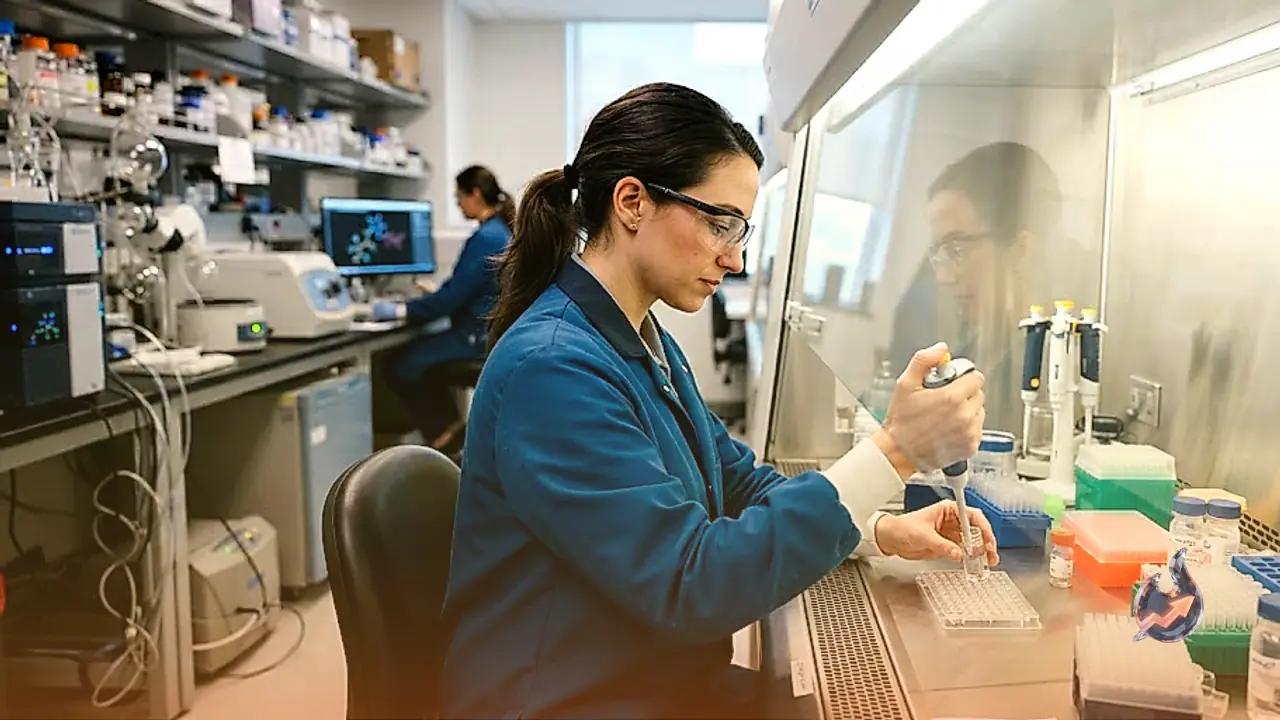


















For years, protein was the only word anyone in the fitness world wanted to talk about, protein powders, protein bars and protein-packed snacks lined store shelves, all promising faster weight loss and stronger muscles. Now a new term is taking over that conversation: peptides. Wellness circles are increasingly claiming that peptides can help people lose weight, improve skin quality, speed up recovery and keep the body healthier for longer. But how much of that holds up? Functional medicine practitioner, certified breathwork practitioner, and founder and CEO of iThrive, Mugdha Pradhan, breaks down what peptides actually are and what they can and cannot do.
What exactly are peptides
According to Mugdha Pradhan, peptides are essentially short chains of amino acids, the same building blocks that make up proteins. In other words, peptides and proteins come from the same source material, the difference lies mainly in the length of the chain. The human body naturally produces its own peptides, and their core job is to carry messages between cells so that different organs and systems can coordinate and function properly.
What role do peptides play in the body
Mugdha Pradhan explains that peptides are involved in a wide range of bodily functions. They help wounds heal faster, support the repair of damaged tissue, strengthen immunity, help regulate appetite and keep metabolism running efficiently. Peptides also play a part in helping the body recover more quickly after illness or exertion. That combination of roles is why they are sometimes described as the body's own internal messaging system.
Why is there suddenly so much buzz around peptides
Scientists have increasingly begun to understand how peptides could be used to treat various health conditions and support overall wellbeing, and that shift is a big reason peptides have become such a hot topic in the health industry. The most talked about category by far is GLP-1 peptides. These peptides reduce appetite and help people feel fuller for longer, which is exactly why they are being used more often in the treatment of obesity and weight loss. Beyond that, researchers are also studying whether peptides can boost immunity, improve gut health, aid in the repair of muscles and tissues, slow down the effects of ageing, and help the body recover faster after exercise. In short, research into peptides is still ongoing, and many of these questions do not yet have definitive answers.
Are peptides some kind of miracle fix
Experts caution against treating peptides as a magic solution. If someone's diet is poor, their sleep is inadequate, stress levels are consistently high, gut health is compromised, or metabolism isn't functioning well, simply taking peptides will not fix all of that on its own. Peptides are not a shortcut, they are only one piece of a much bigger health puzzle.
What else is essential for good health
- A balanced, healthy diet
- Daily physical activity
- 7 to 8 hours of good quality sleep
- Staying away from excess stress
- Keeping metabolism healthy
Relying on peptides alone, without these fundamentals in place, is not considered a sound approach to health.
Should everyone be taking peptides
Health experts point out that peptides are not necessary or appropriate for every individual. They should only be taken under the guidance of a doctor or a qualified health expert. Starting to use peptides on one's own, without medical advice, could end up doing more harm than good, which is why consulting an expert rather than rushing in is the wiser path.